



Across the world’s most desirable lifestyle destinations—from the Mediterranean to the Alps and beyond—a new model of property ownership is quietly reshaping how people think about second homes.
Known as co-ownership, it allows a small group of buyers to collectively acquire a luxury property, each holding a legally defined share while enjoying dedicated time in the home throughout the year. What once appeared to be a niche structure is now emerging as one of the most compelling alternatives to traditional second-home ownership in today’s global real estate landscape.
At its core lies a simple question: why fully own a property that remains empty most of the year?
A Smarter Way to Own a Second Home
For decades, second homes have represented aspiration, stability, and continuity of lifestyle. Yet in practice, many remain underused—visited only a few weeks annually while still requiring full maintenance, management, and financial commitment. Co-ownership addresses this imbalance by aligning ownership with actual usage.
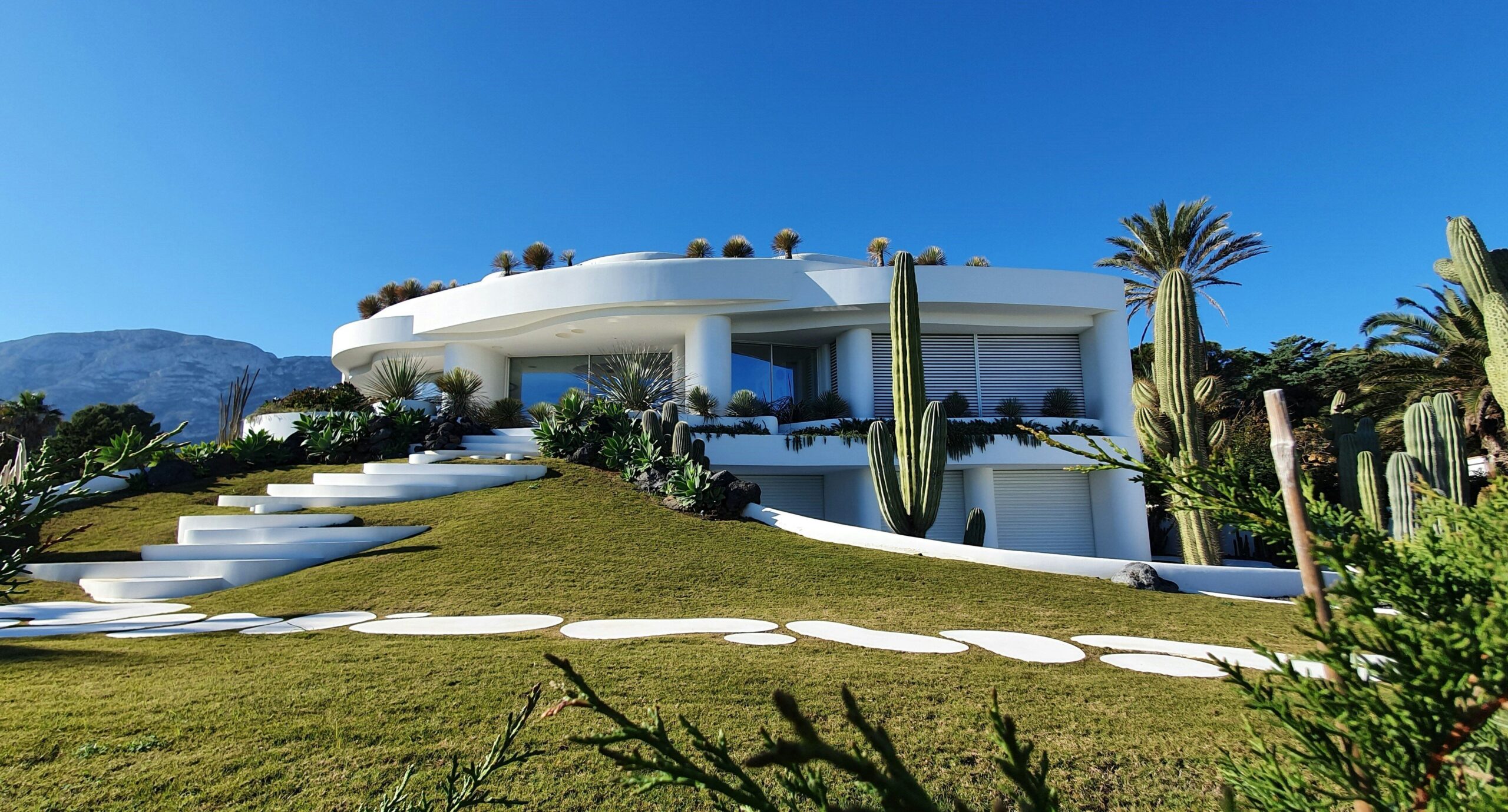
Typically, between four and eight buyers jointly purchase a property. Each owner receives a percentage of the title and a corresponding number of usage weeks per year. Professional management companies oversee scheduling, maintenance, cleaning, and administration, ensuring the home remains consistently cared for and ready to enjoy. The result is a residence that feels fully owned when in use—yet efficiently managed when not.
Luxury Access Without Full Capital Commitment
One of the model’s strongest appeals lies in access. Prime properties in destinations such as the French Riviera, Mallorca, Tuscany, Dubai, Aspen, or the Greek islands increasingly sit beyond the reach of many lifestyle buyers purchasing independently. Co-ownership allows entry into these markets at a fraction of the total acquisition cost, while preserving the experience of staying in a private home rather than a hotel.
Instead of committing several million euros to a villa, buyers acquire a share that grants recurring access to the same residence year after year. Financial exposure becomes lighter, while lifestyle quality remains uncompromised.

Sustainability & Innovation
Why the Model Is Gaining Global Momentum
Co-ownership is not entirely new. Variations of fractional ownership have existed for decades, particularly in ski resorts and branded developments. What has changed is the structure's sophistication.
Today’s co-ownership platforms combine legal clarity, curated property selection, and seamless digital scheduling with full-service management. The experience increasingly resembles a private members’ lifestyle network rather than a traditional property transaction.
As international mobility increases and hybrid working reshapes how people live between cities, flexible ownership models are becoming not just attractive—but logical.
The Rise of the Lifestyle Investor
Interestingly, the typical co-ownership buyer is rarely a traditional property investor focused solely on yield. More often, they are what might be called lifestyle investors: entrepreneurs, executives, creatives, and globally mobile professionals who value access over permanence and experience over pure asset accumulation.
For them, a second home is less about rental returns and more about continuity—a place to return to season after season, to gather family and friends, or to anchor time spent between global cities. Ownership becomes experiential rather than purely financial.
The Mediterranean as a Natural Laboratory
Few regions illustrate the potential of co-ownership better than the Mediterranean. From Mallorca and Ibiza to the Côte d’Azur, Puglia, and the Cyclades, demand for second homes remains strong while prime inventory continues to tighten. Development restrictions, architectural preservation policies, and growing international interest have pushed prices upward across many coastal markets.
In this context, shared ownership provides access without compromise. At the same time, the Mediterranean’s year-round appeal—mild winters, strong connectivity, and established international communities—makes flexible usage particularly practical. Owners can distribute their stays across seasons, maximizing both lifestyle value and property utilization.
A Shift in How We Think About Ownership
Perhaps the most important aspect of co-ownership is what it represents culturally. Across industries—from mobility to hospitality to fashion—consumers are moving away from rigid ownership structures toward curated access and flexible participation. Real estate is beginning to follow the same trajectory.
Co-ownership reflects this broader evolution: from exclusivity to efficiency, from permanence to adaptability, and from static investment to living experience. As property markets in the world’s most desirable destinations continue to mature, shared ownership models are likely to become not just an alternative—but a defining feature of the next generation of global second-home living.


Leave a Reply