




INSIDER STORIES
Some of the most fascinating journeys are not defined by places, but by people.
Once the ocean becomes part of your life, it never really lets you go.
Insider Stories brings us closer to the voices shaping travel, hospitality, and culture — exploring the ideas, passions, and perspectives that drive them, and what truly makes them tick.
In Conversation with Charles Bastard
There are places in the world that ask for awareness as much as admiration. Indonesia is one of them—and a universe in itself. An archipelago of more than seventeen thousand islands, it shifts constantly between cultures, climates, and rhythms of life. Some regions invite awe; others demand patience, humility, and restraint. To move through Indonesia well is not about ticking places off a map, but about understanding how to arrive.
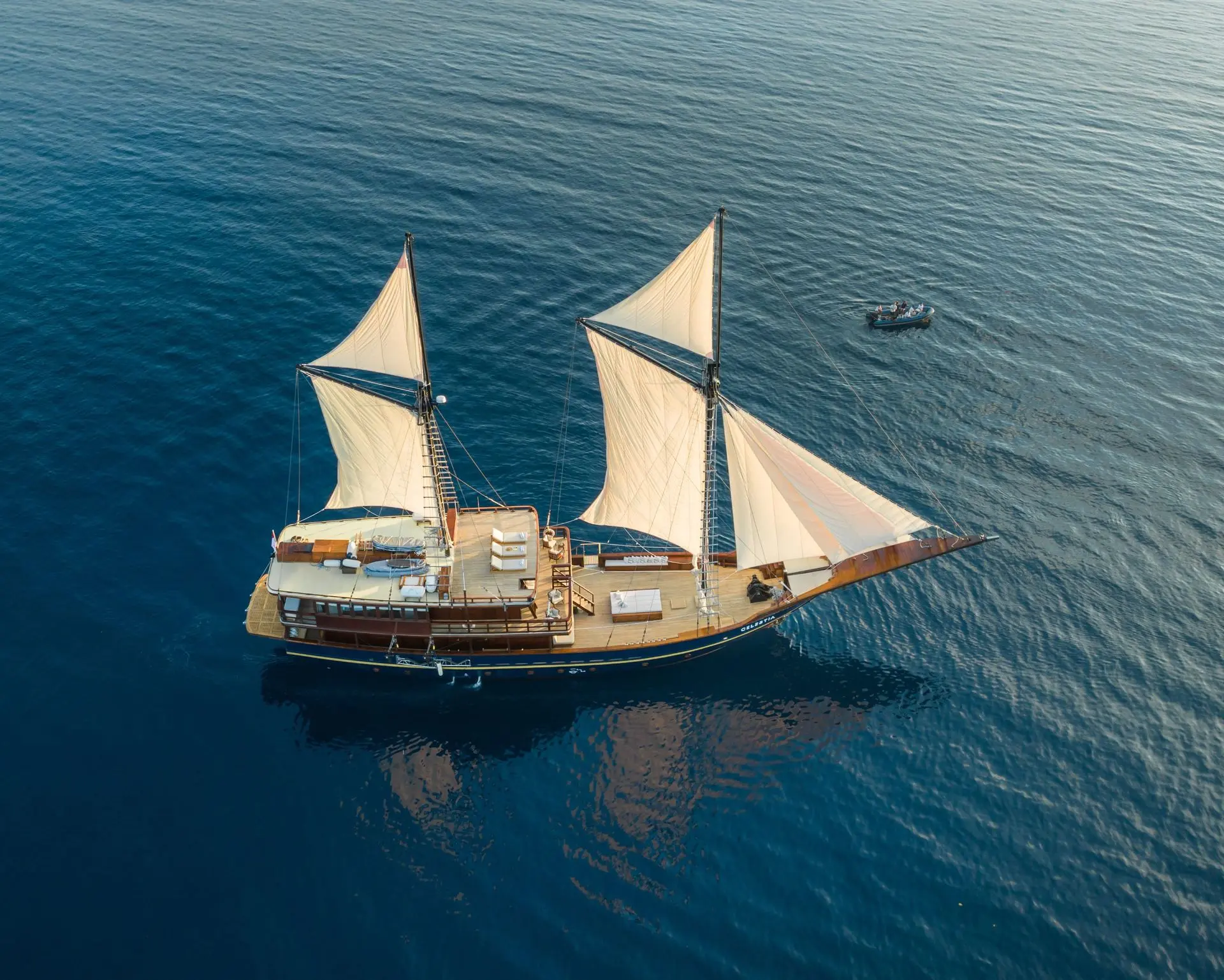
Few understand this better than Charles Bastard a seasoned cruise director whose vessels navigate some of the country’s most remote waters—not as tourists, but as guests. From Komodo to Raja Ampat, from historic spice routes to little-known communities, his work is shaped by the belief that luxury in Indonesia is not about excess, but about awareness.
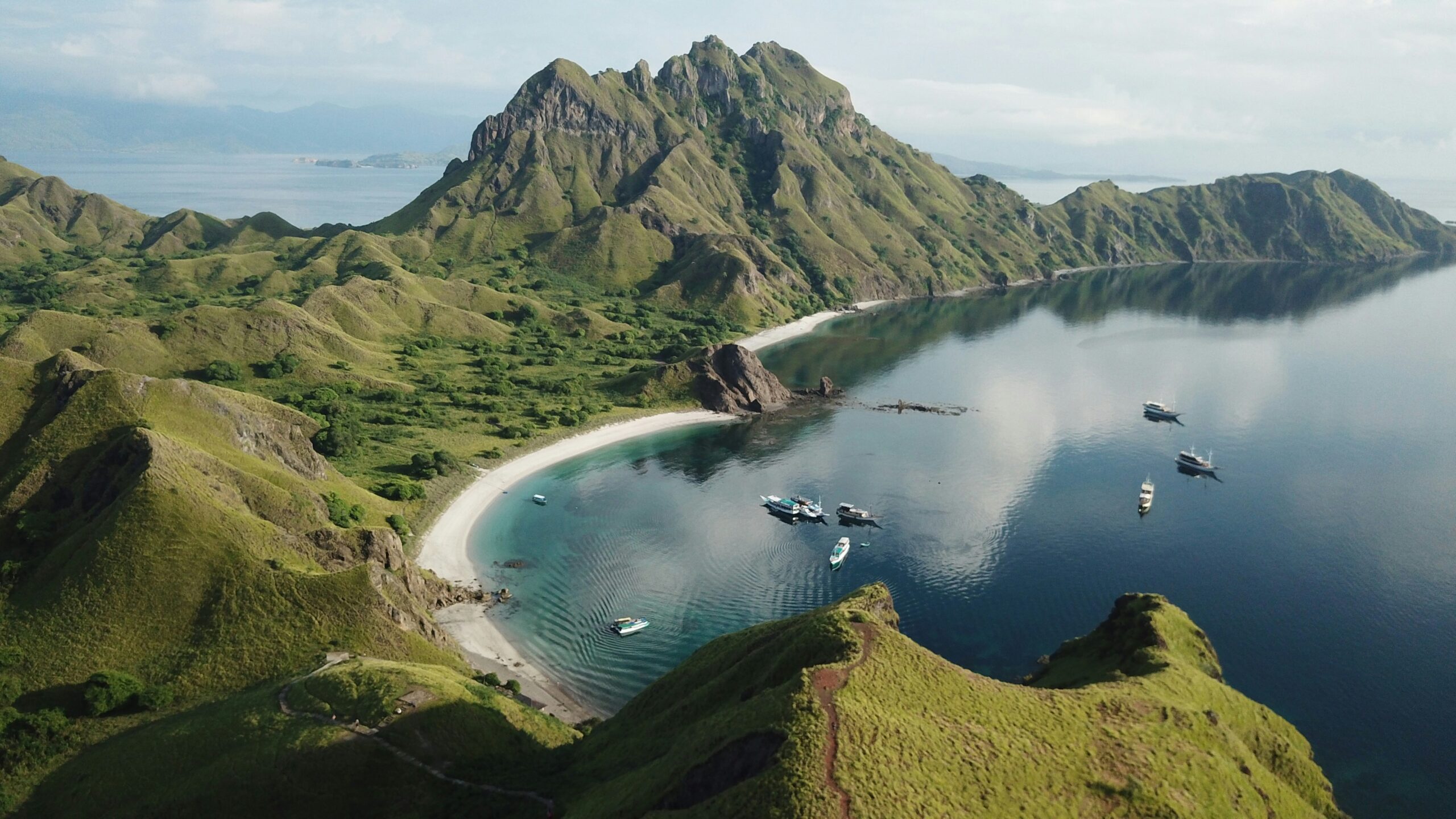
We spoke with Charles about sailing Indonesia at large—its diversity, its fragility, and what it means to explore a country where nature runs the show.
Charles, how did you decide to move to Indonesia?
I arrived in Indonesia about ten years ago, originally from Normandy—a sailor’s region. I had family here, and the climate was certainly better, but what truly drew me was the possibility of turning a lifelong connection to the sea into both a way of life and a profession.
For four years, I worked as a private tour guide on boats, traveling extensively through the archipelago, which allowed me to discover the country in depth. Over time, I felt increasingly drawn to the operational side—helping guests design experiences, not just guiding them through one journey.
From Komodo to Raja Ampat, what kind of travelers do these journeys speak to?
Indonesia itself is made up of more than 17,000 islands, many of which are destinations in their own right. Our itineraries range from three nights to two weeks or more, depending on the season and each guest’s wishes.
Komodo, for example, is often ideal for families or first-time yacht travelers. It’s accessible, visually dramatic, and works beautifully for shorter journeys—three or four nights can already feel transformative.
Raja Ampat, on the other hand, speaks strongly to divers and travelers seeking pristine nature on a grand scale. It requires more time, but the reward is extraordinary biodiversity and a profound sense of remoteness.
Everything is customizable. Some guests want full days of diving; others prefer daily beach stops, massages onboard, or simply time to slow down. The itinerary always adapts to the mood and rhythm of each journey.
Do you have a favorite itinerary or destination?
Personally, I’m very drawn to our Spice Trade itineraries in the heart of Indonesia. They combine culture, history, and nature in a very rich way. These routes follow the old spice trade paths, where nutmeg once shaped global power dynamics between the Dutch and the British.
Guests visit former governor houses, historic fortresses built to defend the islands, and communities that still carry this layered history. It’s also an exceptional area for diving, particularly in October, with remarkable marine migrations and deep-water experiences.
What I love most is that it’s easy to reach from Jakarta, yet remains relatively undiscovered compared to Komodo or Raja Ampat.
Operating in one of the world’s richest ecosystems comes with responsibility. What does sustainable yachting mean to you?
We operate in one of the most biodiverse yet fragile marine ecosystems on Earth—the Coral Triangle. Sustainability isn’t optional for us; it’s fundamental.
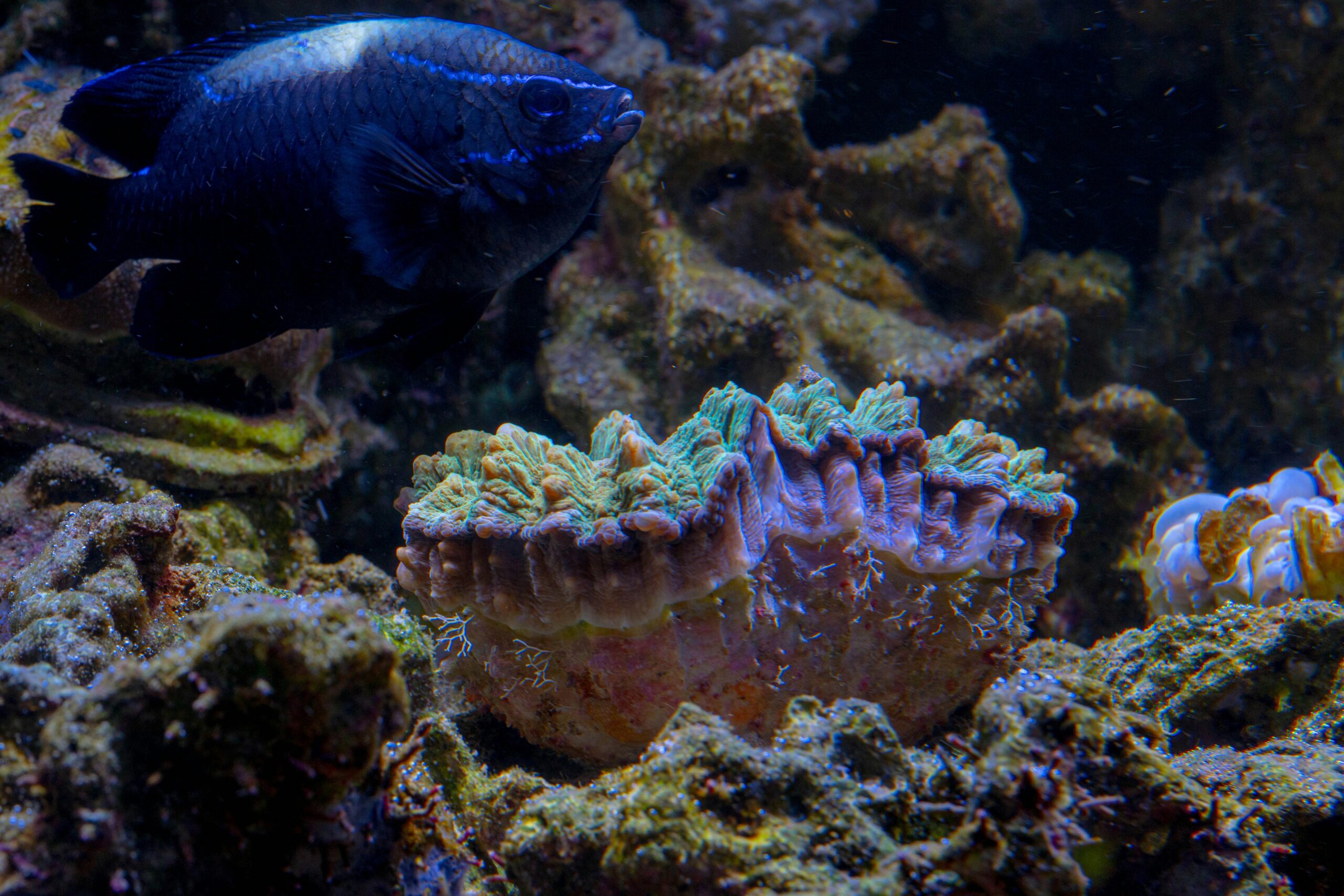
We use only wood sourced from certified forests, ban all single-use plastics onboard, and provide every guest with a reusable bottle upon boarding, which the crew refills throughout the journey. All amenities and maintenance products are carefully selected to minimize environmental impact.
We also monitor and track emissions, anchor only in deep waters—never on reefs—and prioritize local sourcing whenever possible. Sustainability, for us, is about constant awareness and conscious decision-making, every single day.
Komodo has a way of humbling even seasoned travelers. Do you remember your first experience sailing these waters?
Absolutely. Komodo is powerful in its simplicity. The scale of the landscape, the silence, the wildlife—everything feels untouched. What stayed with me most was the realization that you are entering a world that does not adapt to you. You adapt to it. That humility stays with you.
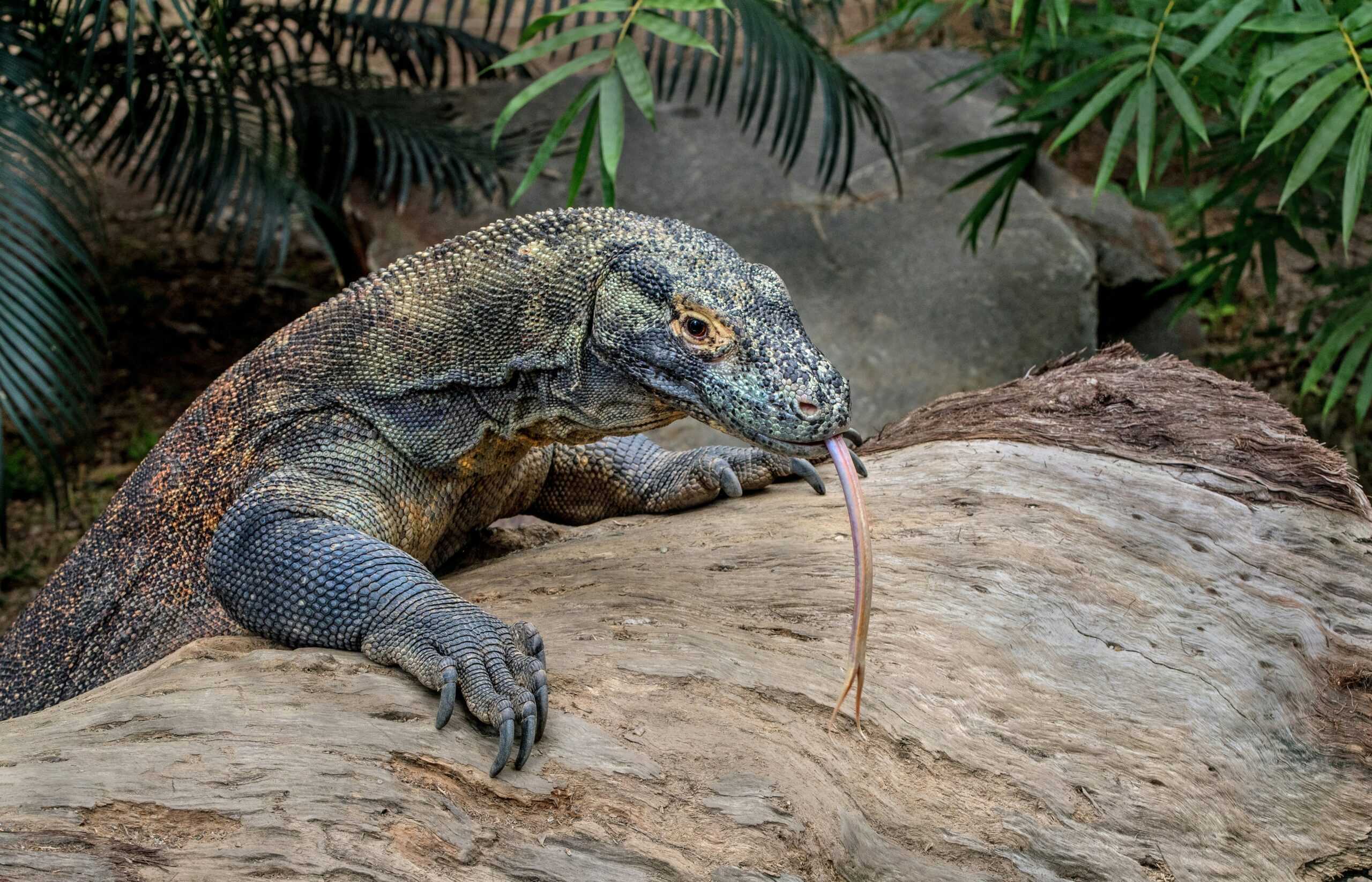
In our recent piece, we described Komodo as “nature unchecked.” How do you help guests experience that rawness without disturbing it?
By doing less, not more. We design experiences that allow guests to observe, not interfere. The yacht becomes a quiet platform—never the center of attention.
Silence is important. So is spacing. We choose anchor points carefully, avoid overcrowded areas, and let nature dictate the pace. Guests quickly understand that presence is more meaningful than performance in places like this.
What makes sailing particularly suited to exploring Indonesia?
Sailing is one of the best ways into a destination. In a country as vast and delicate as Indonesia, a yacht allows for controlled access, flexibility, and a deep respect for the environment.
You move quietly, adapting the schedule to the weather, the sea, and the moment rather than forcing an itinerary. That freedom—to slow down, to change course, to follow nature instead of a plan—is, in itself, a form of luxury.
Why do you think modern travelers are craving silence, space, and scale more than ever?
Because those things are disappearing. Modern life is noisy, crowded, and fast. Anchoring in total silence—no ports, no traffic, no schedules—creates perspective. When guests experience that kind of scale and solitude, it recalibrates something. It reminds them of their place in the world.
Is there a moment that captures the essence of these sailing journeys?
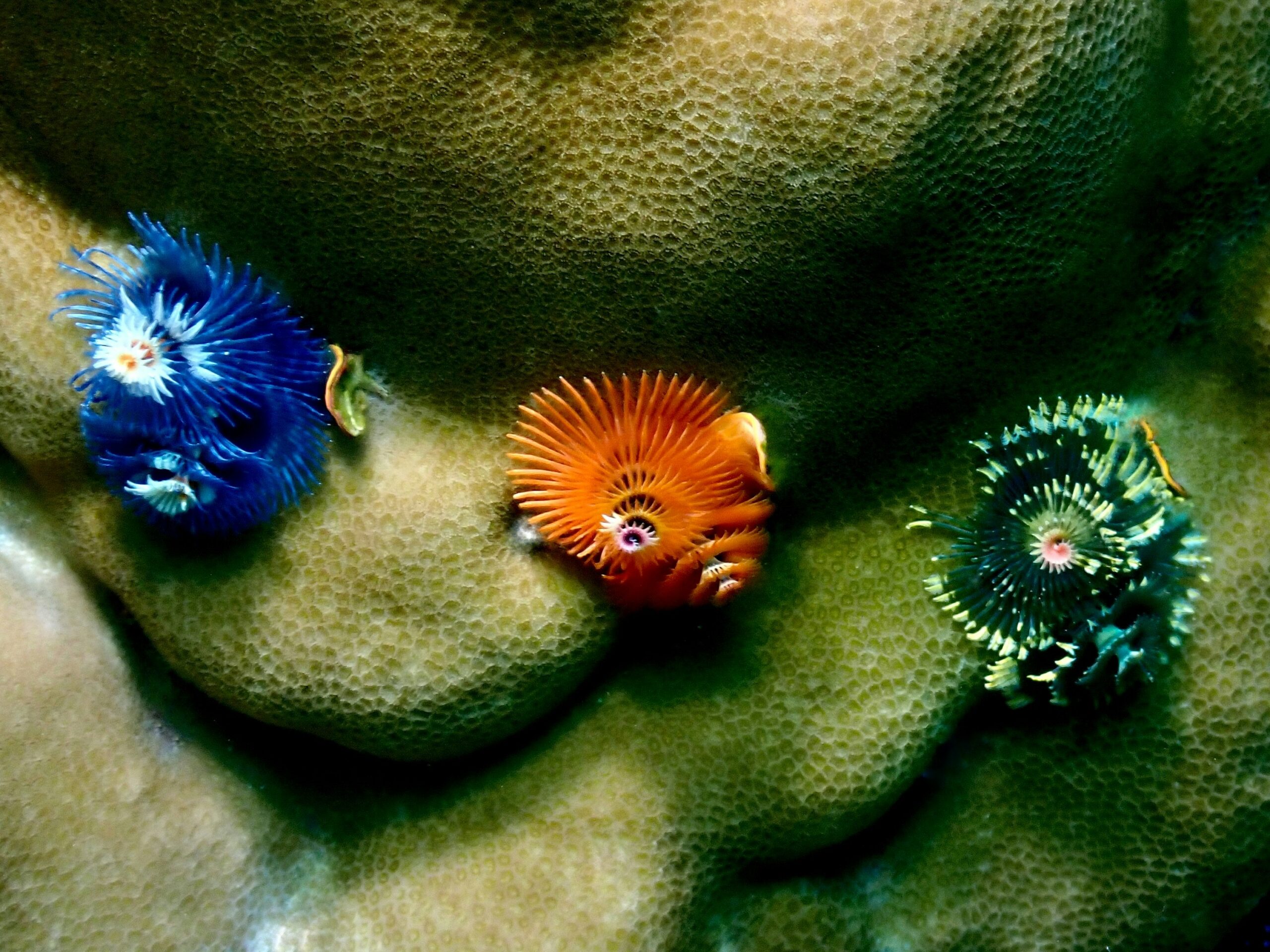
It’s very personal. Some guests remember a whale shark encounter; others, a dramatic dive or a sunrise at anchor. For many, it’s the emotional moments we create on land—private beach setups with music, singing, and local performances. Or dolphins playing alongside the yacht, or hammerhead sharks near the Spice Islands. These moments stay because they’re unexpected and deeply human.
For travelers who have never considered a yacht journey, what misconception would you most like to challenge?
That it’s complicated or inaccessible. In reality, we operate two main destinations governed by the seasons: Komodo from mid-April to mid-October, and Raja Ampat from October to April.
If someone is flexible, I usually recommend Komodo first. It’s easy to reach from Bali or Jakarta, with frequent flights, and works beautifully for three- or four-night journeys. Raja Ampat is better suited for longer stays and travelers seeking pristine beaches and extended time onboard. We simplify everything—the guest only needs to ask: When can I go?
What do you hope guests take with them long after they disembark?
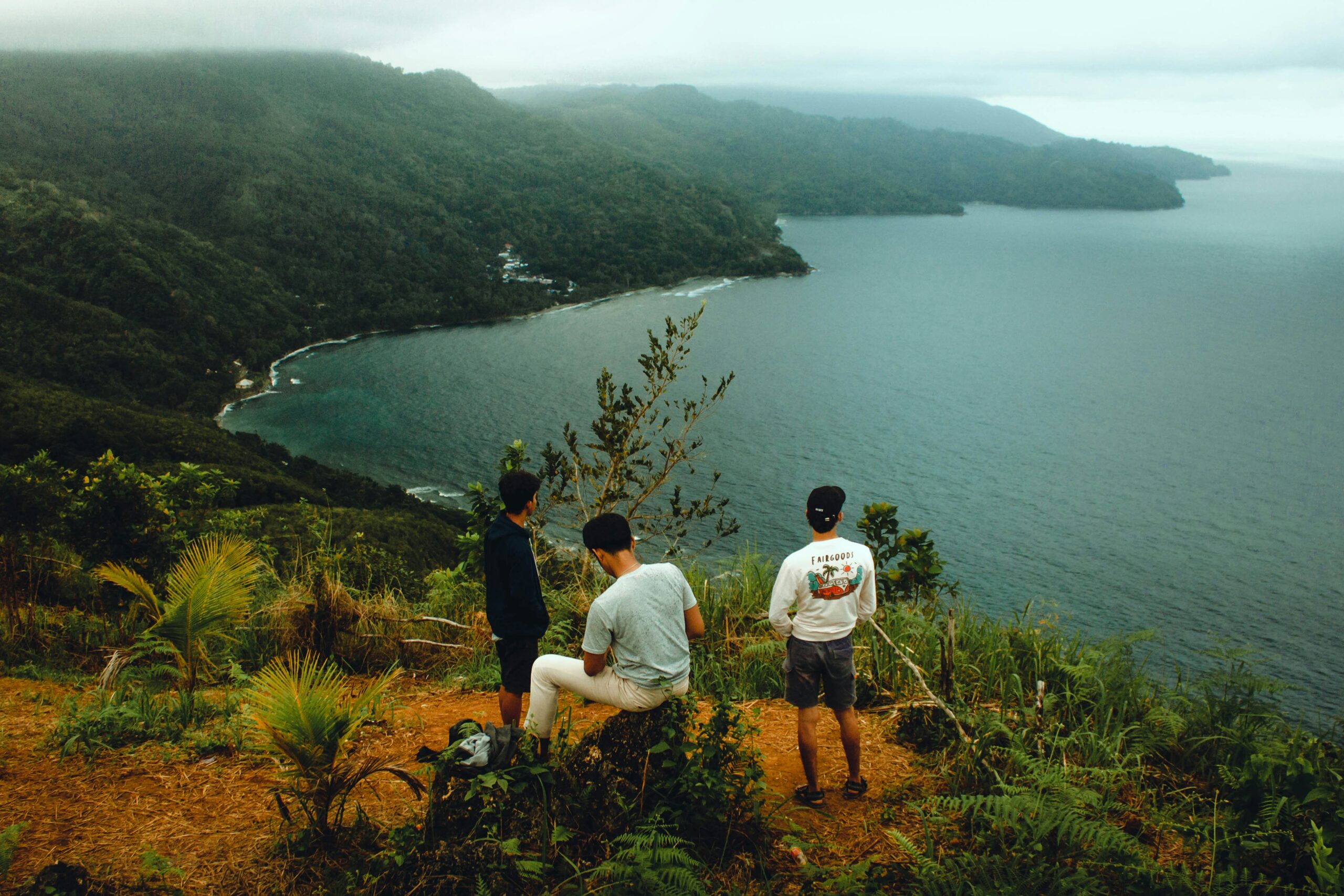
The warmth of the crew, the hospitality of the Indonesian people, and the feeling of having accessed something rare and authentic. Many guests return because the crew remembers them—their habits, their preferences. Indonesia offers such richness and variety that people often come back to explore a different region.
Recently, we operated a unique itinerary in Southwest Papua, spending several days living with a local tribe—learning their daily routines, values, and way of life. These are encounters you simply cannot replicate elsewhere. In the end, it’s not just destinations. It’s memories, sunsets, shared moments, and encounters that quietly stay with you.
Closing Reflection
Some journeys leave you rested. Others leave you changed. Sailing through Indonesian waters belongs firmly to the latter—an experience that reminds us the world does not need improving, only understanding, and that travel can become an invitation to observe, listen, and learn from ways of life far beyond our own.
For those ready to experience Indonesia beyond the horizon line, our editors have curated a selection of Journeys that bring these waters, stories, and wild edges to life.


Leave a Reply