



SKYLINE STORIES
Cities That Reinvented Themselves
Across the world, certain cities stand as symbols of transformation. Once shaped by industry, geography, or circumstance, they chose to imagine something different.
Skyline Stories explores these places — cities where culture, vision, and architecture reshaped the urban landscape and redefined identity.
“A skyline is more than architecture — it is the visible story of a city’s ambition.”
BILBAO
There are cities that grow slowly through time — and others that must reinvent themselves to survive.
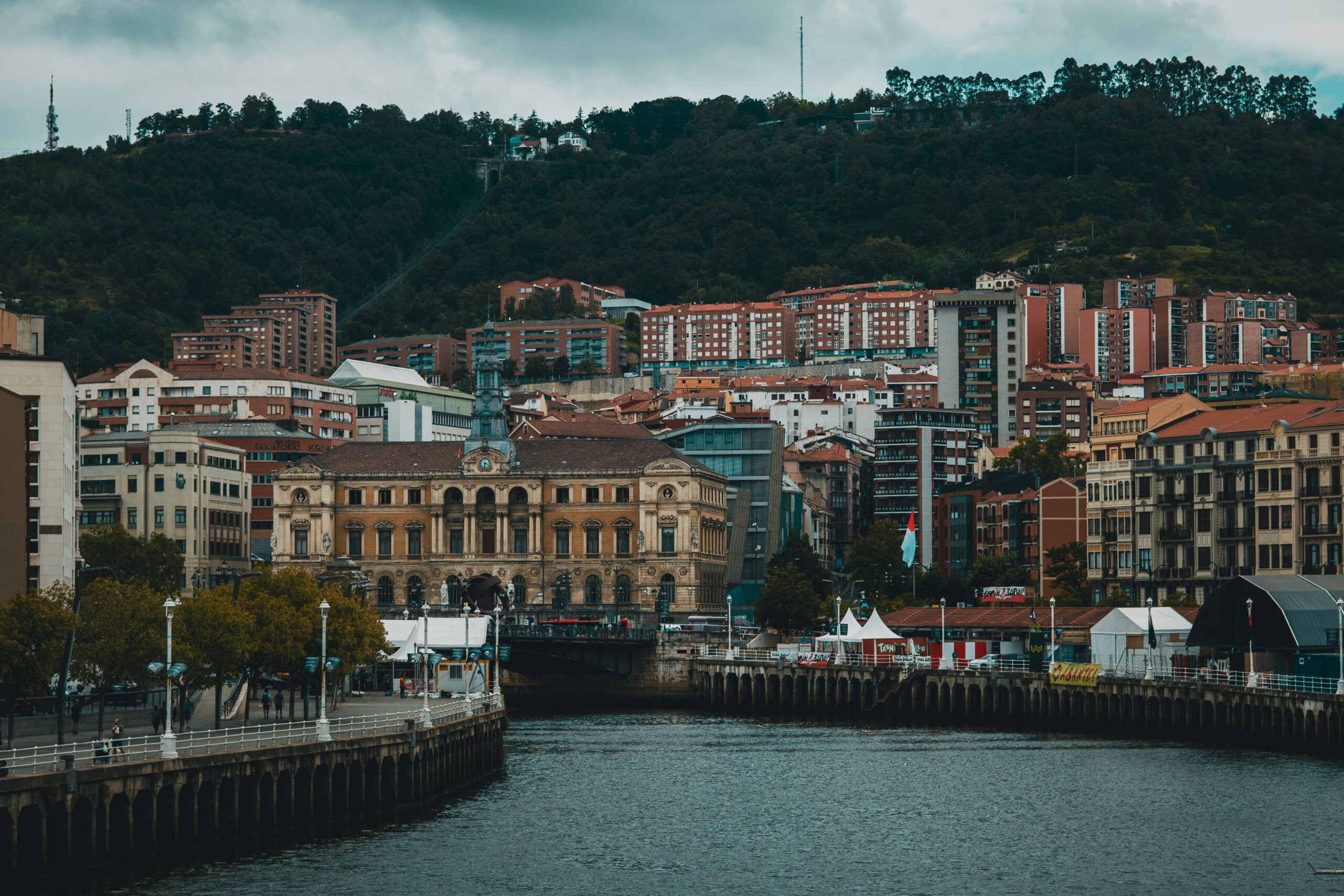
For much of the 20th century, Bilbao was known not for art or architecture, but for industry. Located in Spain’s Basque Country along the Nervión River, the city was once a powerful industrial hub. Shipyards, steel factories, and heavy industry shaped its identity, fueling economic growth but leaving the landscape marked by smoke, pollution, and rusting infrastructure.
By the late 1970s and early 1980s, however, the world had changed. Global industrial decline hit Bilbao hard. Factories closed, unemployment surged, and the once-prosperous port city faced an uncertain future.
What remained was a city searching for its next chapter.
The Turning Point
In the early 1990s, local leaders and planners made a bold decision: rather than rebuild the past, Bilbao would imagine something entirely new.
The plan was ambitious — transform the city from an industrial center into a cultural destination.
At the heart of that vision stood a radical idea: inviting the Solomon R. Guggenheim Foundation to build a museum in Bilbao. The design would be entrusted to architect Frank Gehry, known for pushing the boundaries of contemporary architecture.
At the time, many questioned the project. A futuristic museum in a former industrial port seemed risky.
But the city chose vision over caution.
The Transformation
When the Guggenheim Museum Bilbao opened in 1997, it changed everything.
Its shimmering titanium curves rose along the river like a sculpture in motion, instantly becoming one of the most recognizable buildings in the world. Visitors began arriving not just from Spain, but from across the globe.
The phenomenon became known as the “Bilbao Effect.” But the museum was only the beginning.
The city invested in infrastructure, public spaces, and architecture. The riverfront was cleaned and revitalized. New bridges and transit systems connected neighborhoods. Cultural institutions, parks, and modern buildings reshaped the urban landscape.
Bilbao was no longer defined by smokestacks. It had become a city of design, culture, and renewal.
The Spirit Today
Today Bilbao is a place where tradition and modernity coexist effortlessly.
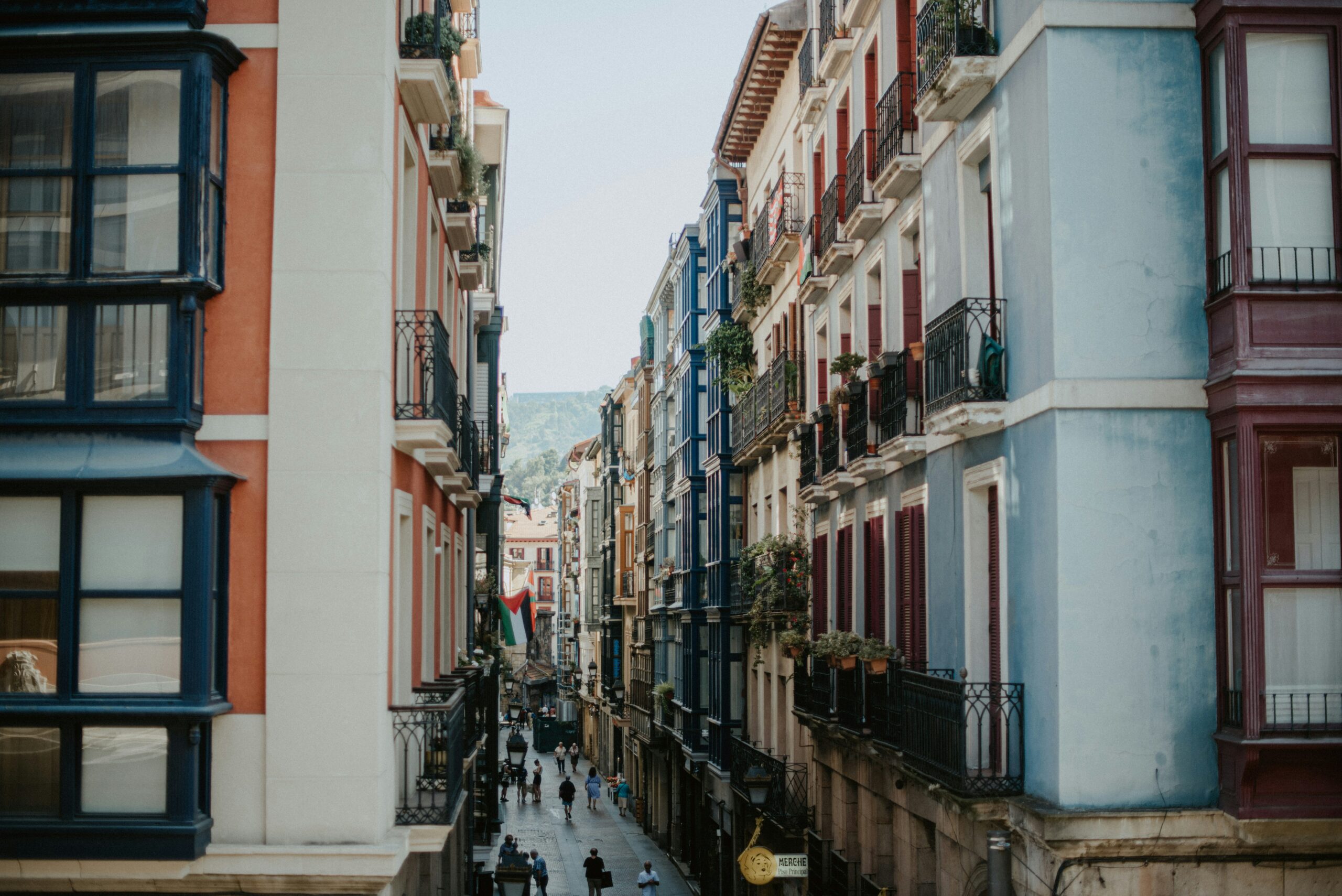
The old town, Casco Viejo, still carries the spirit of centuries past with its narrow streets, historic plazas, and lively pintxos bars. Just across the river, contemporary architecture defines a new skyline.
Art, gastronomy, and Basque culture now form the heart of the city’s identity.
The Guggenheim remains its most famous landmark, but Bilbao’s energy extends far beyond a single building. The city feels confident, creative, and quietly proud of its transformation.
The Human Dimension
Bilbao’s story is not simply about architecture or urban planning. It is about belief — the decision to imagine a different future.
For residents, the city’s transformation restored pride and opportunity. For visitors, Bilbao offers something deeper than a tourist attraction. It shows how vision, culture, and leadership can reshape the destiny of a place.
Because cities, like people, are capable of reinvention.
And sometimes the most remarkable journeys are not the ones that take us somewhere new — but the ones that allow a place to rediscover itself.


Leave a Reply