



Inside the granite hills of Bihar, a whisper can travel farther than expected. Step into one of the ancient chambers of the Barabar Caves and the sound glides across polished stone, returning moments later as a soft echo. The walls reflect light like dark glass, their surfaces so smooth they seem almost modern. Yet these chambers were carved more than 2,200 years ago.
Located about 30 kilometers north of Bodh Gaya—one of the four most sacred sites in Buddhism—the Barabar caves are among the earliest rock-cut monuments in India. Far from crowded pilgrimage routes and imperial monuments, they remain one of the most remarkable architectural achievements of the ancient world. And in these caves, silence was not accidental. It was designed.
Ashoka’s Gift to the Ascetics
The caves were commissioned by Ashoka the Great, the Mauryan emperor whose reign transformed much of the Indian subcontinent. After embracing Buddhist principles of compassion and non-violence, Ashoka became known not only as a conqueror but as a patron of philosophy and spiritual practice.
Rather than dedicating the caves to Buddhist monks, however, he offered them to the Ajivika, an austere sect of wandering ascetics who believed life was governed entirely by fate. They sought spaces removed from the distractions of the world—places where meditation could deepen into profound stillness. The Barabar hills provided exactly that.
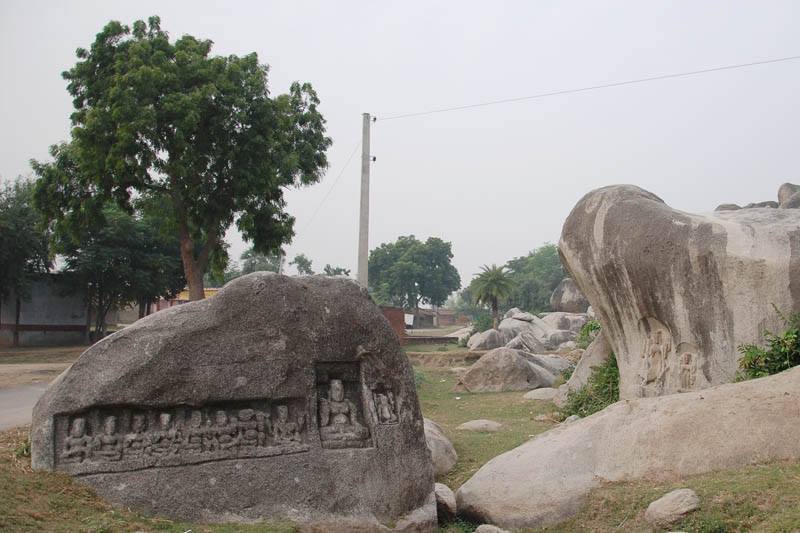
Carved into massive granite outcrops, the caves became monsoon retreats where ascetics gathered to meditate, debate, and contemplate the mysteries of existence. The complex includes several caves across the Barabar and nearby Nagarjuni hills, some of which were later dedicated by Ashoka’s grandson, Dasharatha Maurya—extending the legacy of these remarkable monuments.
Architecture That Feels Impossible
What makes the Barabar Caves truly extraordinary is the craftsmanship.
The interiors are carved from solid granite, one of the hardest stones to work with. Yet the surfaces are finished with a legendary “Mauryan polish,” so smooth that even today they appear almost metallic. Scholars still debate how ancient craftsmen achieved such precision using the tools available at the time.
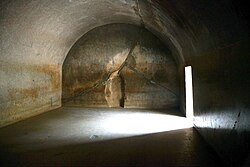
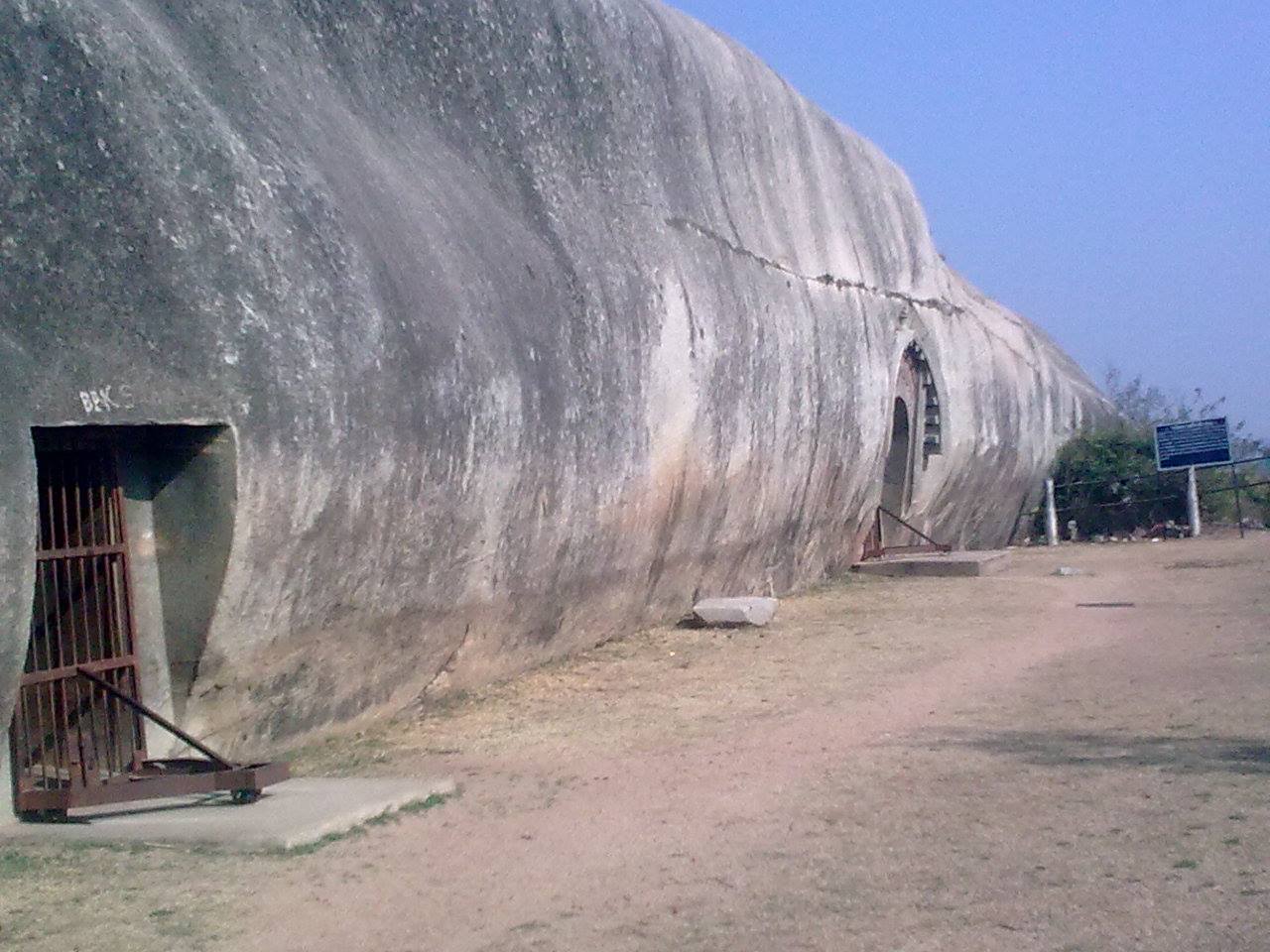
The caves themselves are deceptively simple. Most consist of two chambers: a rectangular entrance hall leading into a circular or domed sanctum. The geometry is so exact that sound travels with remarkable clarity, creating an echo effect that transforms even the quietest chant into a resonant vibration.
Some historians believe this acoustic quality may have been intentional—turning the cave itself into a kind of instrument for meditation. Widely considered the earliest surviving rock-cut monuments in India, the Barabar caves also set the architectural precedent for many cave temples that followed across the subcontinent.
The Lomas Rishi Cave: A Gateway in Stone
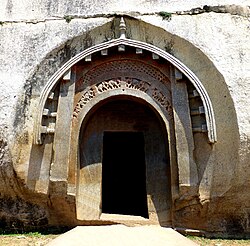
Among the caves, one stands apart. The Lomas Rishi Cave features an elaborately carved entrance that imitates wooden architecture, complete with a graceful horseshoe-shaped arch. Above the doorway, rows of elephants appear to walk toward a stupa, their forms frozen in stone for more than two millennia.
This façade is considered the earliest surviving example of the “chaitya arch,” a motif that later became a defining feature of Indian rock-cut architecture. Variations of this form would appear centuries later in monumental cave complexes such as the Ajanta Caves and Ellora Caves.
In many ways, the Barabar caves represent the beginning of a tradition that would flourish for centuries.
Echoes in Literature
The strange acoustics and almost surreal atmosphere of these caves captured the imagination of the British novelist E. M. Forster, who visited India in the early 20th century. His novel A Passage to India describes mysterious caves whose echoes distort reality and unsettle those who enter them. Though fictionalized, the inspiration clearly traces back to Barabar.
Forster understood what travelers still feel today: these caves are not simply archaeological sites. They are psychological spaces—environments where silence, sound, and stone interact in unexpected ways.
A Place Few Travelers See
Despite their historical significance, the Barabar Caves remain remarkably under-visited. Located in the Barabar hills about 30 kilometers north of the city of Gaya, they require a deliberate journey into rural Bihar.
The road winds through villages, fields, and rocky hills before reaching the granite outcrops where the caves sit quietly above the plains. Perhaps this isolation is part of their enduring power.
Unlike many ancient monuments that have become crowded landmarks, the Barabar caves still offer what the Ajivika ascetics once sought: a rare moment of stillness in a restless world. Inside these polished granite chambers, time seems to pause. The silence feels almost tangible, broken only by the faint echo of a voice moving across the stone.
More than two millennia after they were carved, the Barabar caves remain what they were always meant to be: places of reflection, where sound, space, and stillness meet. And where a single whisper can travel across centuries.
Traveler’s Note 📍
The Barabar Caves lie in the Barabar Hills of Bihar, about 30 kilometers north of Bodh Gaya—one of the most sacred pilgrimage sites in Buddhism. Reached by road from Gaya, the journey passes through rural villages and rocky hills before arriving at the quiet granite outcrops where the caves stand.
Though little visited compared with India’s better-known monuments, the Barabar caves reward travelers with one of the earliest surviving examples of rock-cut architecture in the world—and a rare sense of stillness rarely found at major historic sites.





Leave a Reply