




They call it the Coral Triangle — the Amazon of the sea — a name that speaks not only to its size, but to the extraordinary concentration of life beneath the surface. Spanning the tropical waters of Indonesia, Malaysia, the Philippines, Papua New Guinea, Timor-Leste, and the Solomon Islands, it represents the epicenter of global marine biodiversity. Here, the ocean breathes in color.
Beneath the surface, coral gardens unfurl in impossible shades: electric blues, molten oranges, soft violets. Schools of fish move like brushstrokes across the reef, while sea turtles glide with unhurried grace, as if time itself slows in these waters. This is the heart of global marine biodiversity—a place where evolution seems to have worked overtime, creating life in its most exuberant forms.
For coastal communities here, the ocean is not scenery; it is sustenance, culture, and memory passed down through generations. Fishing traditions, folklore, and daily rituals are woven tightly into the rhythms of the reef.
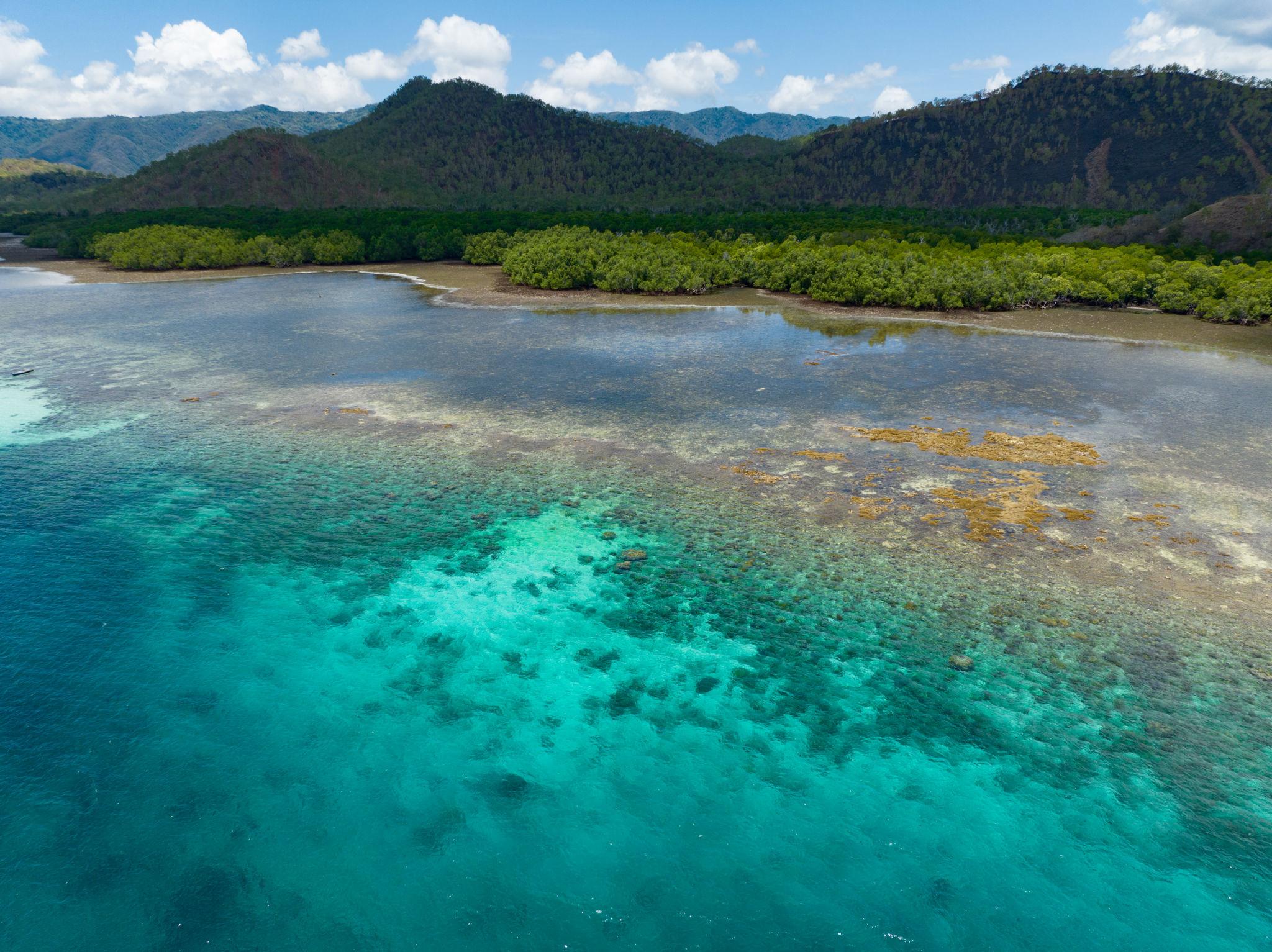
Yet what makes the Coral Triangle extraordinary is not only its beauty, but its balance. Coral reefs protect shorelines from storms, feed millions of people, and act as nurseries for marine life that populate oceans far beyond this region. What happens here ripples outward—quietly, invisibly—affecting ecosystems across the planet. In this sense, the Coral Triangle is not remote at all. It is deeply connected to us, even if we have never set foot on its shores.
Why the Coral Triangle Matters
A vast marine region where biodiversity thrives at an unmatched scale, the Coral Triangle sustains ecosystems far beyond its shores. Its reefs protect coastlines, support coastal cultures, and nurture ocean life that travels across the planet—making this underwater world deeply connected to us all.
And like all irreplaceable ecosystems, it is fragile. Rising ocean temperatures, pollution, and overfishing place immense pressure on these reefs. The threat is not dramatic in a single moment; it is cumulative, unfolding slowly, bleaching color from once-vibrant worlds. The tragedy of the Coral Triangle would not be its loss alone, but the silence left behind—the disappearance of a living archive that has taken millions of years to form.
To speak of the Coral Triangle is to be reminded that travel is, more than anything, about awareness. About learning to see places not as consumable wonders, but as shared responsibilities. The Amazon of the sea does not ask for admiration alone. It asks for care.
And perhaps the greatest journey it offers is not underwater, but inward—toward a deeper understanding of how closely our own future is tied to the quiet, colorful worlds beneath the waves.


Leave a Reply