



Rome is a city that makes itself heard. Its travertine façades have been shaped by centuries of footsteps, and baroque shadows stretch across its narrow streets. Layers of history are visible everywhere. In this environment, most new architecture does not try to stand out. The best projects pay attention to what is already there.
Nomos Hotel Rome belongs to that quieter tradition.
Instead of drawing attention, it fits carefully and deliberately into the city’s daily life. By doing this, it offers something rare in Rome: a modern style that respects history without copying it.
A Dialogue with the Roman Palimpsest
Rome is not just a museum. It is a city that is always being rewritten, with each era leaving its mark.
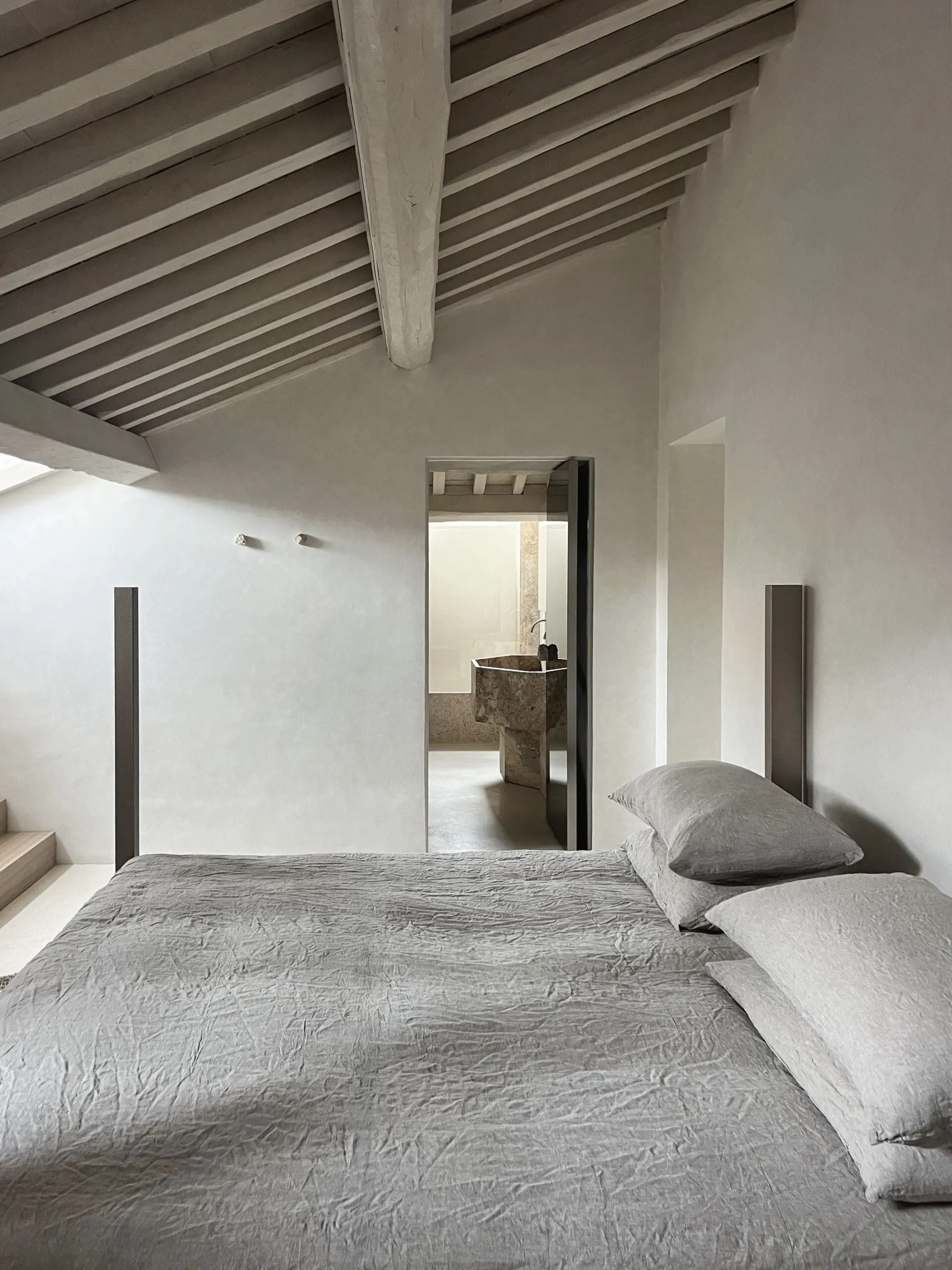
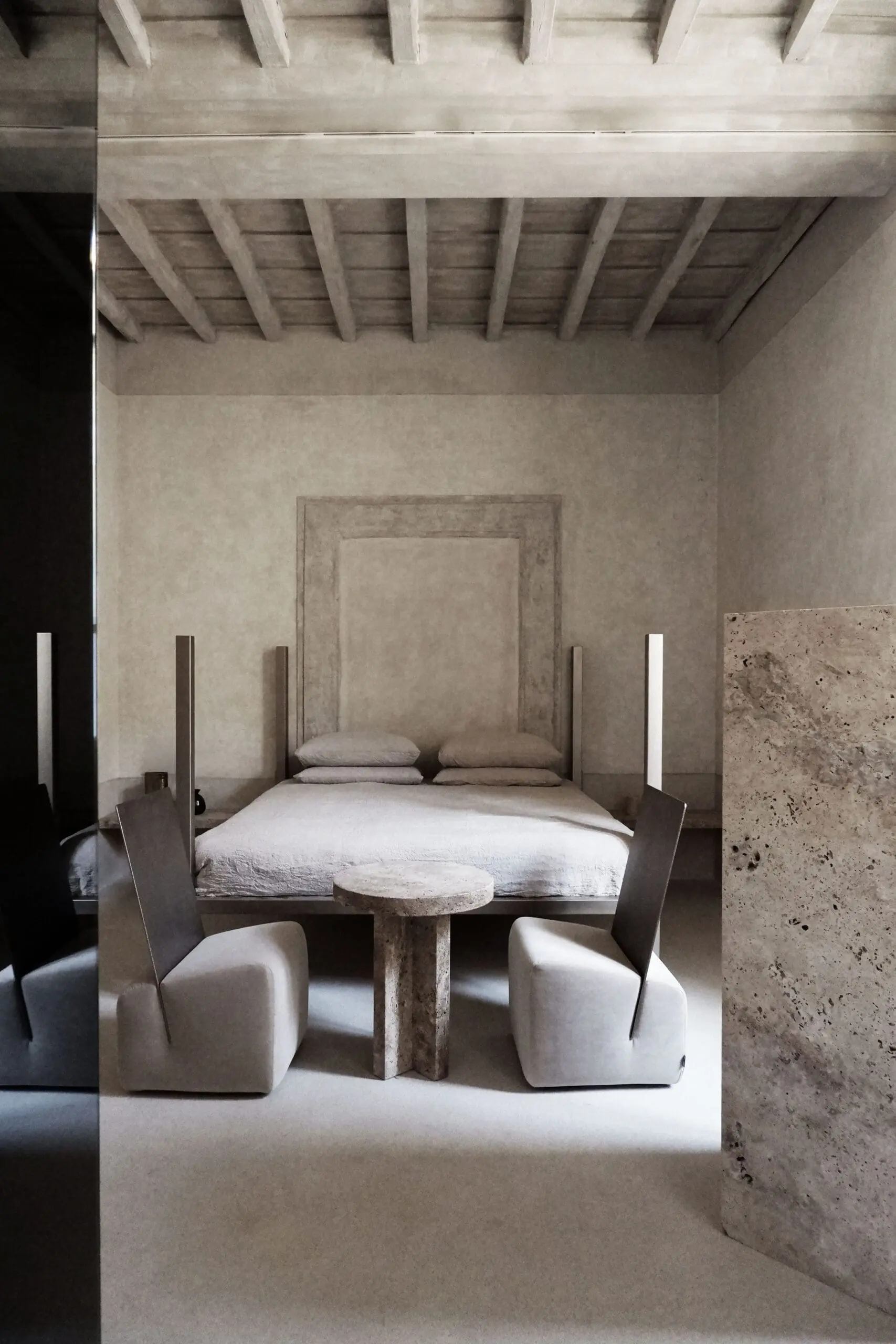
Nomos understands this. The hotel does not try to recreate the past or copy old styles. Instead, it focuses on clear design, careful material choices, and simple interiors, letting the city stand out. The building does not try to look Roman, but acts Roman by using good proportions, modesty, and a sense of continuity.
This distinction matters. While many boutique hotels use dramatic references to ancient Rome, Nomos takes things away instead of adding more. By removing distractions, it creates a calm feeling in one of Europe’s busiest cities.
Campo de’ Fiori: The Intelligence of Its Setting
The hotel is near Campo de’ Fiori, one of Rome’s most lively and historic squares. Here, daily life follows old routines. Markets open early, windows stay open late, and people talk across balconies. Architecturally, this matters.
Campo de’ Fiori has always been a place for everyday life, not for grand displays. Unlike Piazza Navona or Piazza Venezia, it is meant to be useful, not impressive. This makes the nearby streets feel closer, more personal, and more like a neighborhood.
Nomos responds accordingly. The hotel’s simple design is not just a style, but a response to its surroundings. In this area of Rome, buildings do not try to stand out. They fit together.
A Hotel That Lives at Street Level
Many Roman hotels float above their surroundings. Nomos stays grounded in them.
When you step outside, the city does not try to impress. Instead, it feels steady and familiar. Bakeries open onto small corners, old façades stand next to simple workshops, and laundry lines stretch between buildings as part of daily life.
This is Rome at eye level. Nomos seems made for travelers who want to experience the city from within, not just watch it from a distance. The entrance does not mark a sharp divide. Instead, it gently leads you from the street into the hotel.
Architecture as Threshold Between Two Romes
Campo de’ Fiori represents one of the city’s most revealing contradictions: theatrical and ordinary, historic and immediate. Nomos is located right at the point where these differences meet.
Outside: movement, voices, markets, cafés, stone warmed by sunlight. Inside: calm geometry, softened light, measured interiors. The hotel acts as a bridge between two sides of Rome: the lively city and the quieter, more thoughtful one. That spatial contrast is one of its strongest architectural qualities.
The Architecture of Pause
Travelers often speak about location. Architects speak about transition. Nomos is designed more for taking a break than for making a grand entrance. The hallways open up slowly, and light helps you find your way instead of just decorating the space. The paths through the hotel feel carefully planned.
These design choices create a rhythm that matches the real Rome, not the one seen in postcards, but the one found in daily walks between squares, courtyards, and stone buildings. Inside the hotel, architecture becomes temporal. You move slowly without noticing why.
Material Intelligence Over Ornament
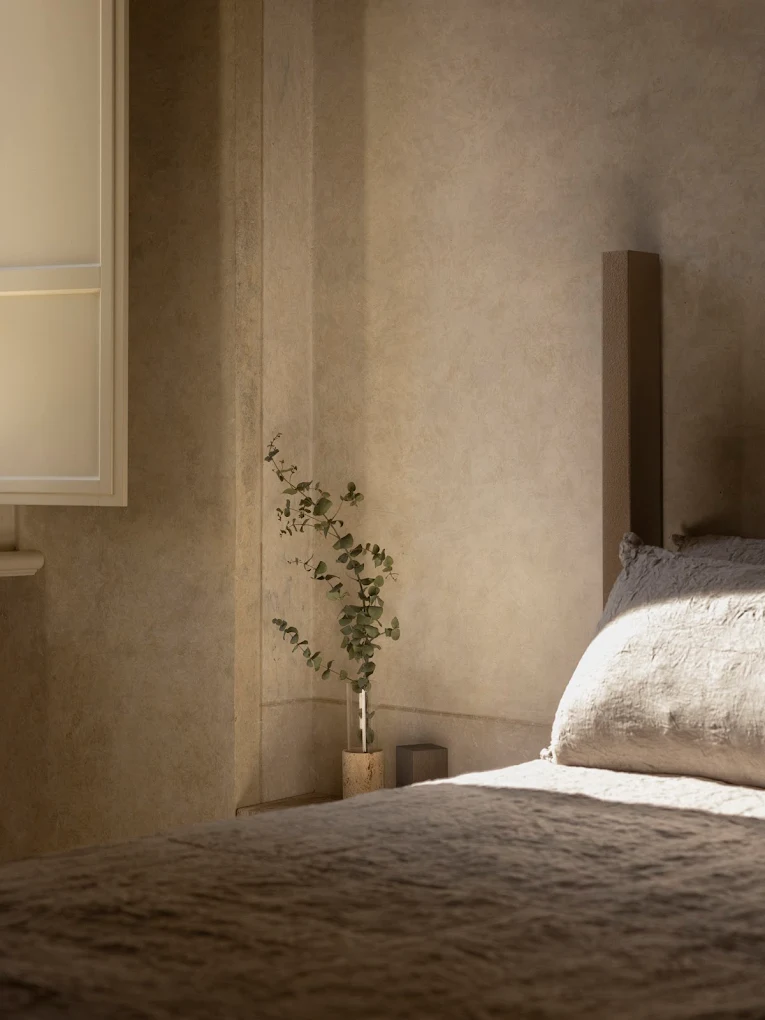
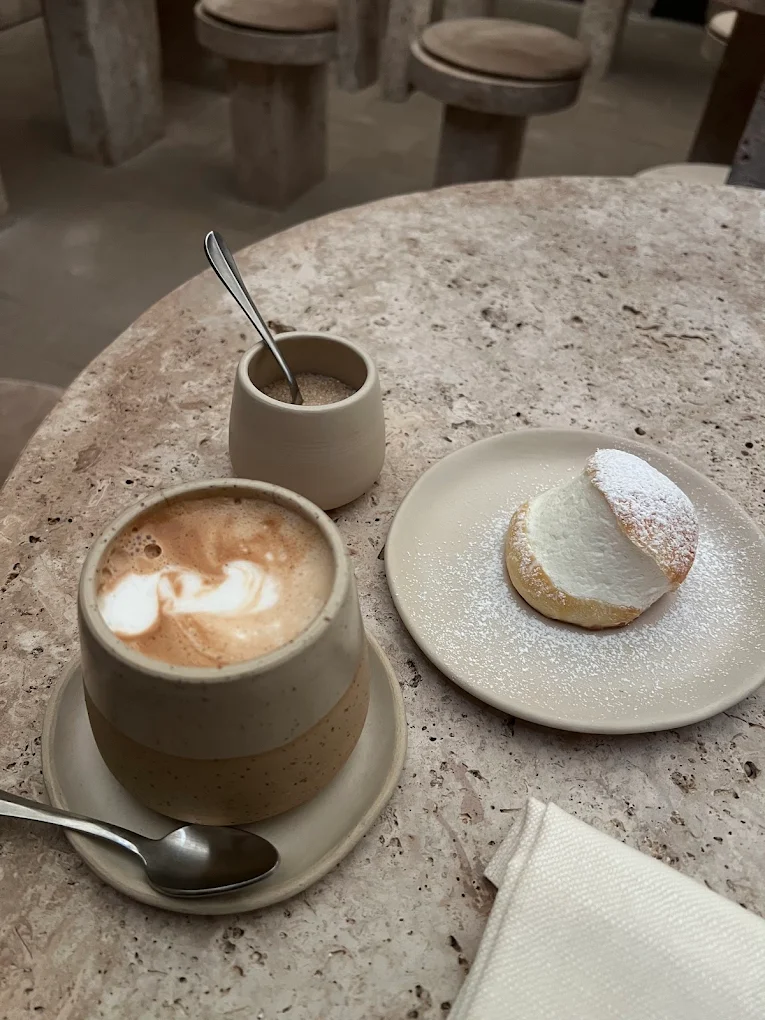
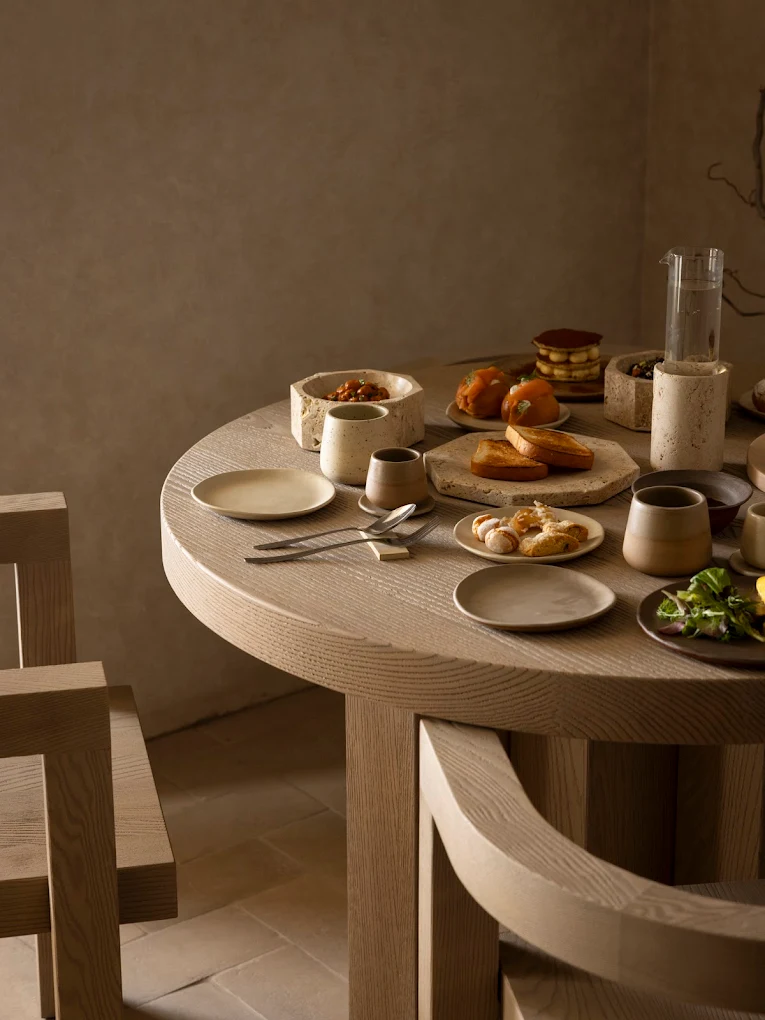
Roman architecture has always been about material truth. Brick, marble, plaster, travertine—each speaks clearly and directly. Nomos follows the same philosophy, though translated into contemporary vocabulary.
The surfaces feel good to touch but are not showy. The lines are neat, and the colors are calm. Rather than copying ancient styles, the hotel uses their ideas: lasting design, simple elegance, and a focus on light. This kind of architecture shows that quietness is not emptiness, but a part of the design.
Interior Space as Urban Refuge
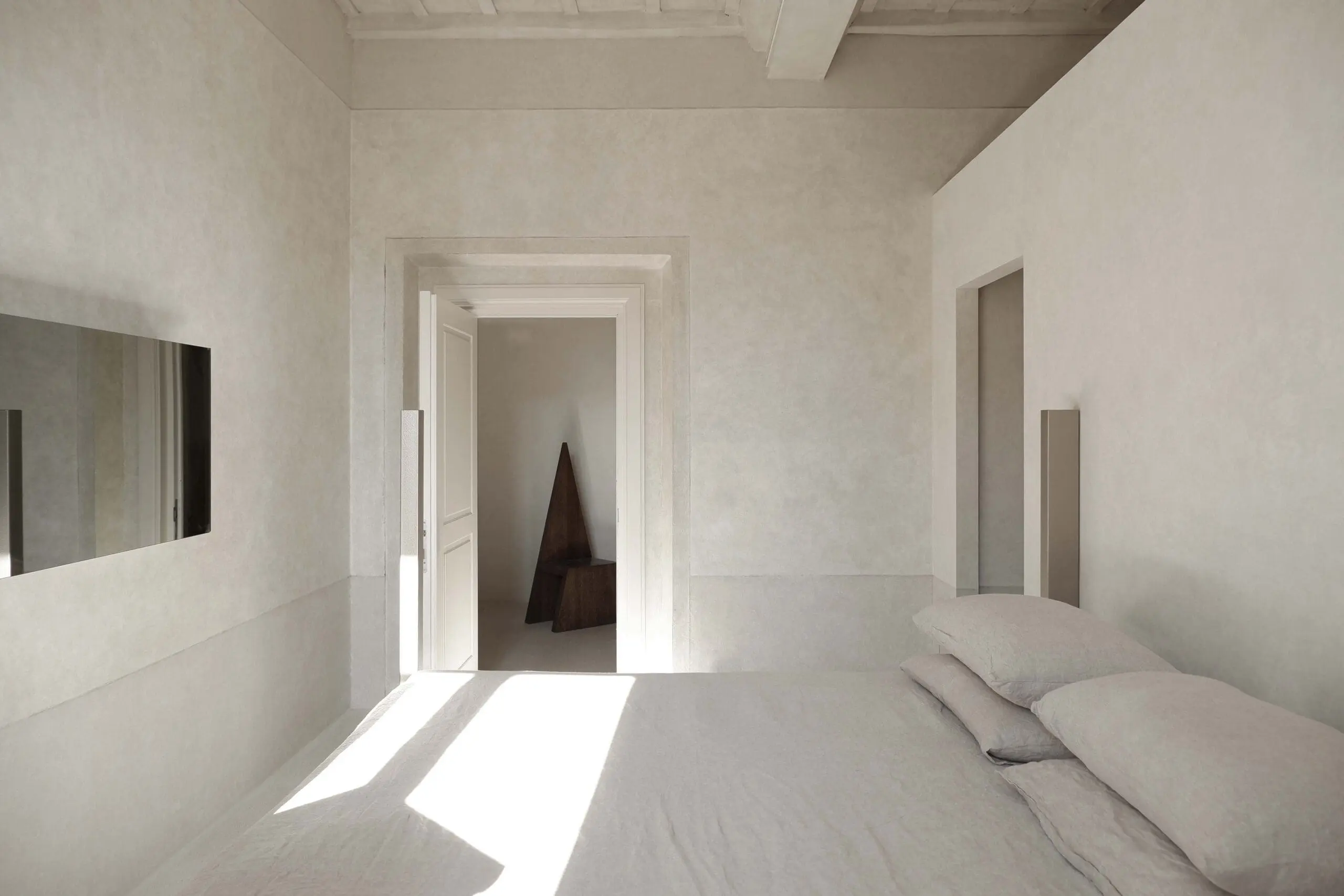
Rome overwhelms beautifully. Nomos restores balance. While the city outside is busy and full of detail, the hotel’s interiors are calm and balanced. This contrast is on purpose. It turns the hotel into a place of rest, a space between being part of the city and taking time to reflect.
The experience feels almost monastic in moments, yet never austere. It is a reminder that contemporary hospitality can still be spatially thoughtful rather than stylistically loud.
Campo de’ Fiori After Hours
One of the most overlooked qualities of the neighborhood is temporal. Campo de’ Fiori transforms throughout the day. Morning belongs to the market. Afternoon belongs to passage. Evening belongs to conversation. Nomos quietly benefits from all three.
Staying here lets you experience Rome as a series of moments, not just a single image. This is rare in a city that many people rush through. The hotel’s design matches this rhythm: calm in the morning, balanced in the afternoon, and full of atmosphere at night.
A Contemporary Roman Attitude
Nomos stands out not just for its design, but for how it responds to its surroundings. Rome does not need new icons. It needs intelligent insertions. Nomos is part of a new group of hotels that see the future of travel as a conversation, not a show. It is a conversation between different times, between guests and the city, and between activity and quiet.
In a city built on memory, Nomos offers something quietly radical: a place where you can pause and breathe within history.





Leave a Reply