



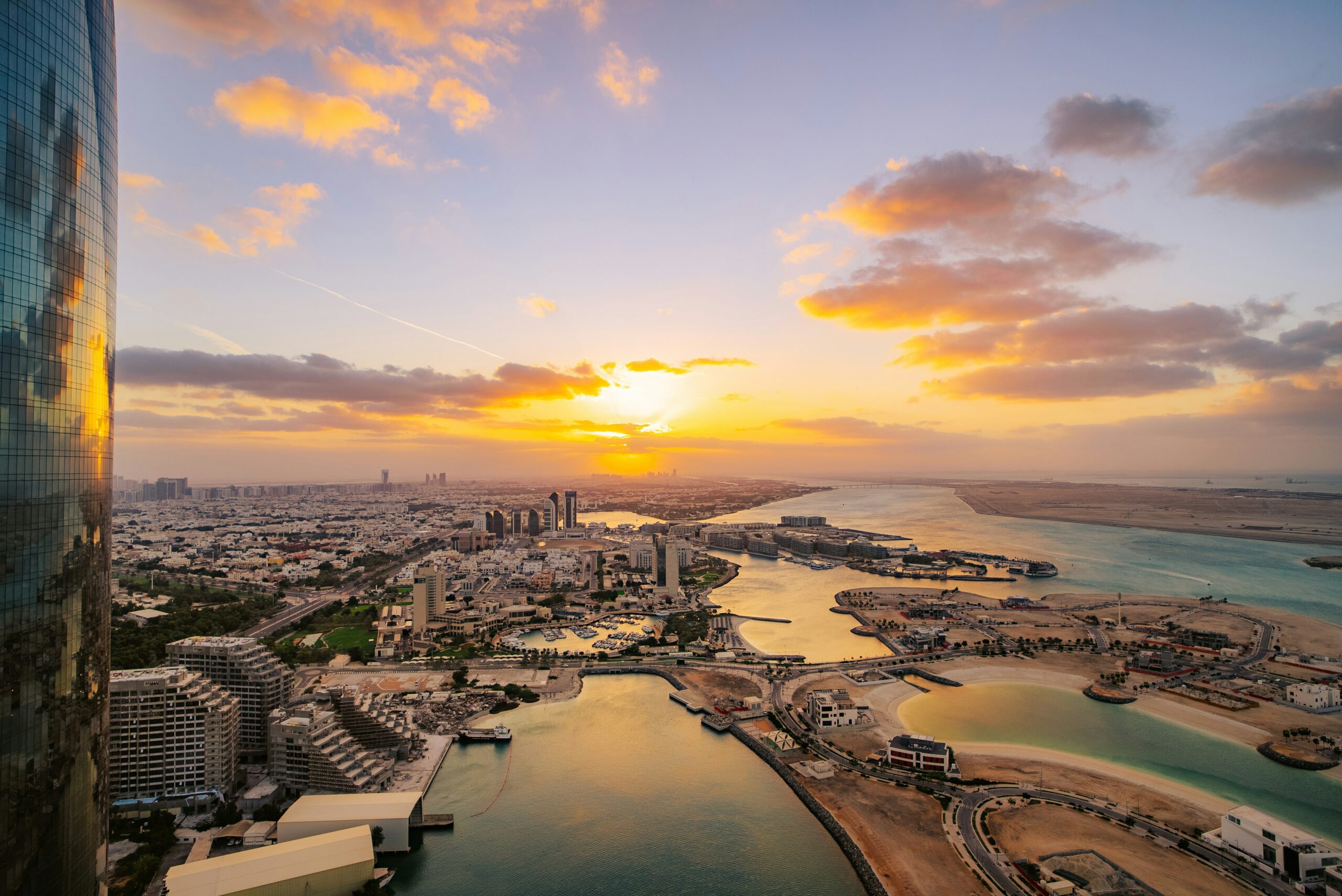
While Dubai often commands the headlines, Abu Dhabi reveals itself more slowly. It is a city of space rather than spectacle, where culture, nature, and ambition coexist with a confidence that rarely needs to announce itself. Between the mangroves, the desert, and some of the region's most significant cultural institutions, Abu Dhabi offers a different perspective on the United Arab Emirates—one rooted as much in reflection as in reinvention.
The capital of the United Arab Emirates stretches wide, holding many worlds within a single landscape. Over the past two decades, Abu Dhabi has emerged as a global centre for culture, knowledge, and innovation while remaining deeply connected to its heritage. Here, serene mangroves meet futuristic skylines, centuries-old traditions coexist with contemporary architecture, and moments of stillness sit comfortably alongside bold ambition.
One of the best places to experience Abu Dhabi's sense of space is the Corniche, a waterfront promenade stretching for five miles along the city's north-west shoreline. Framed by parks, beaches, and the ever-evolving skyline, it offers a glimpse into the rhythm of daily life in the capital.
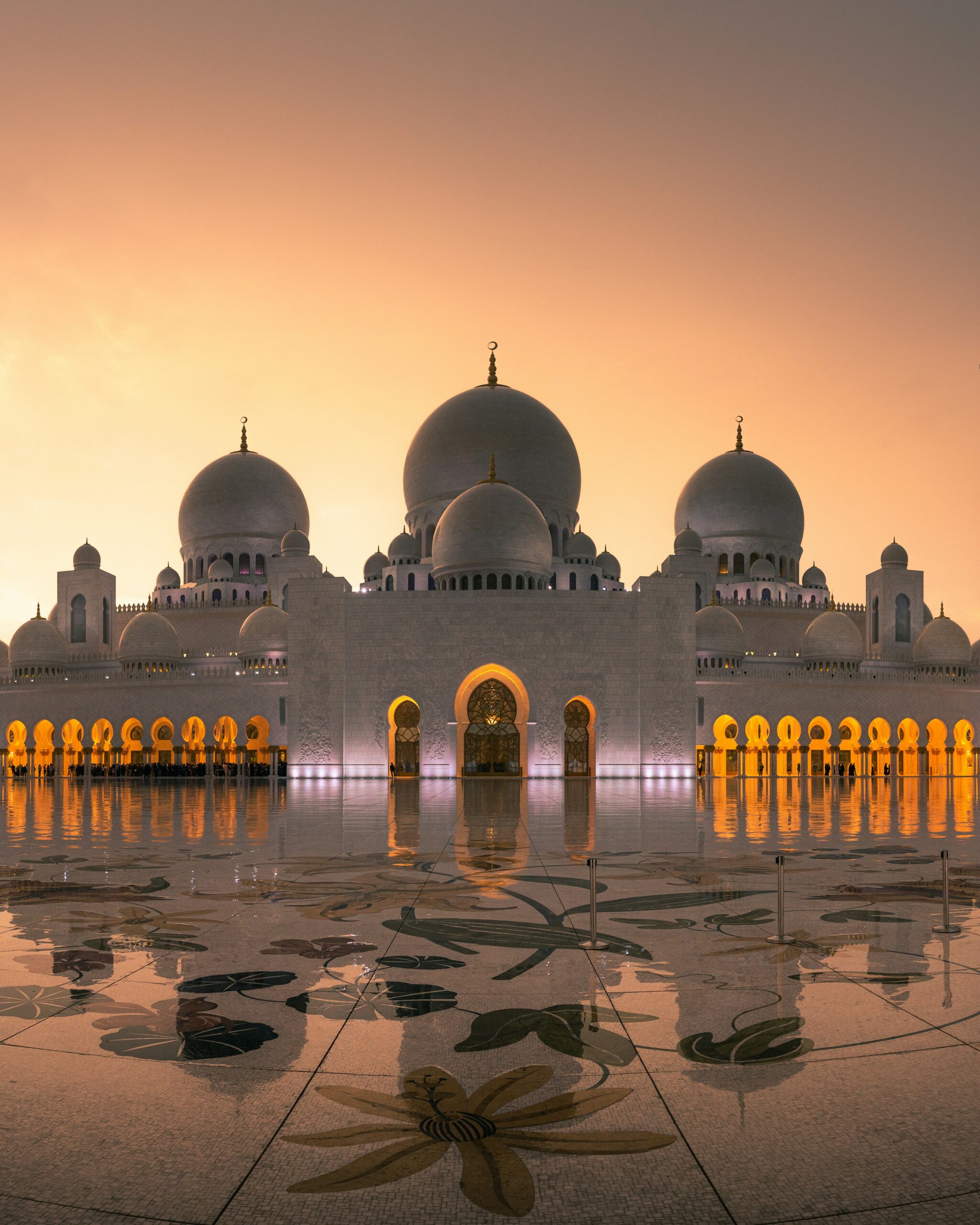
Equally central to Abu Dhabi's identity is the Sheikh Zayed Grand Mosque, a landmark that reflects both the city's ambition and its openness. With its white marble courtyards, 82 domes, reflective pools, and chandeliers inlaid with Swarovski crystals, it remains one of the most impressive religious and architectural sites in the region, welcoming visitors of all faiths.
At the city's center stands Qasr Al Hosn, Abu Dhabi's oldest stone building, once a watchtower guarding fresh water and now a museum narrating the city's transformation. Step inside, and the desert tribe's past—fishermen, pearl divers, Bedouin families—echoes through restored rooms. On Saadiyat Island, the Louvre Abu Dhabi is a must-visit. Its architecture alone is breathtaking—a floating dome casting patterned shadows over the museum's walkways. Inside, the collection spans continents and centuries, featuring Mesopotamian relics alongside modern European masters.
Soon, the island will also host the Guggenheim Abu Dhabi, which will showcase the most important international artistic achievements of the 20th and 21st centuries and works of artists from across the globe, with a special emphasis on West Asian, North African, and South Asian artists, alongside a Natural History Museum, cementing the city as one of the world's most ambitious cultural destinations.
Why Abu Dhabi Matters Today
Abu Dhabi's evolution over the past two decades has been remarkable. While the city has embraced rapid development, it has largely avoided defining itself through spectacle alone. Instead, it has invested heavily in culture, education, sustainability, and quality of life.
The continued development of Saadiyat Cultural District, together with projects such as the forthcoming Guggenheim Abu Dhabi and Natural History Museum, reflects a long-term vision that seeks to position the emirate among the world's leading cultural destinations. Growing international connectivity is supporting this ambition, with airlines such as Etihad Airways continuing to expand direct links between Abu Dhabi and key global markets, including the recently launched service to Mallorca.
At the same time, Abu Dhabi's appeal extends beyond its institutions. Its generous public spaces, waterfront promenades, protected natural environments, and slower pace of life offer a contrast to many global cities. For travellers seeking both cultural depth and a sense of balance, the emirate presents an increasingly compelling proposition.
Nature at the Edge of the City
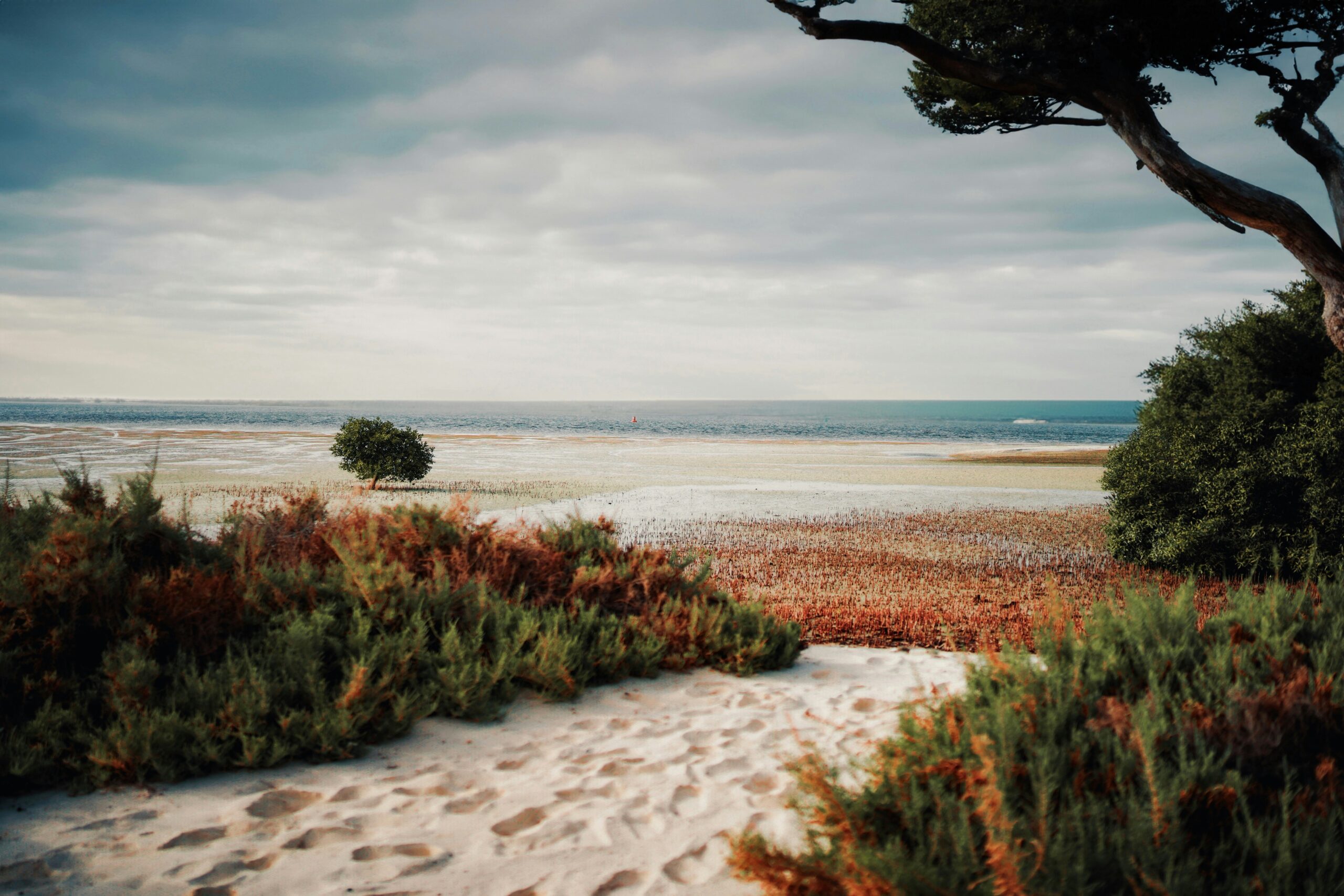
Despite its skyscrapers and architectural wonders, Abu Dhabi never strays far from nature. The Eastern Mangroves National Park stretches quietly along the city's edge, offering a green counterpoint to the desert. Kayakers drift through emerald waterways, spotting flamingos and herons against the skyline. Travellers interested in experiencing a different side of the UAE may also wish to explore Sharjah's desert landscapes and the unique accommodation experience offered by Moon Retreat.
To the south lies the Empty Quarter (Rub' al Khali), the largest sand desert in the world. Its dunes rise like waves of gold, shifting with the wind. Sunrise brings a pale blush across the sands; by evening, the horizon burns with amber. For those who venture here, silence is the truest luxury. Abu Dhabi also looks firmly forward—Masdar City, a planned sustainable community, experiments with renewable energy and urban design.
Attractions: Play and Culture Hand in Hand
Abu Dhabi's cultural landscape, rich and varied, promises a diverse and engaging experience for every visitor. From the Etihad Modern Art Gallery to the Al Ain Oasis, a UNESCO World Heritage site, the city's cultural attractions surprise with their depth and sheer entertainment.
On Yas Island, the future takes a flashier turn—Formula 1 roars at Yas Marina Circuit. At the same time, Yas Waterworld thrills families and Ferrari World captivates motorsport enthusiasts with its immersive driving simulators and Ferrari-themed attractions. For a softer edge, Yas Bay's waterfront development blends dining, nightlife, and live entertainment. Together, these attractions highlight Abu Dhabi's unique personality: one foot firmly in the realm of high culture, the other ready to dive headfirst into adventure.
A Taste of Abu Dhabi
Food here reflects the city's cultural crossroads. Traditional Emirati dishes such as harees (slow-cooked wheat and meat), machboos (spiced rice with fish or lamb), and sweet luqaimat (dumplings drizzled with date syrup) tell the story of a desert palate shaped by resourcefulness. Side by side, Michelin-starred chefs bring French, Japanese, and Mediterranean finesse to the capital's fine dining scene. In between, Lebanese cafés, South Asian curries, and Levantine street food create an international mosaic of flavors.
Where to Stay
Abu Dhabi offers stays that mirror its dual identity—grand, intimate, modern, and timeless, ensuring a luxurious and unforgettable experience for every guest.
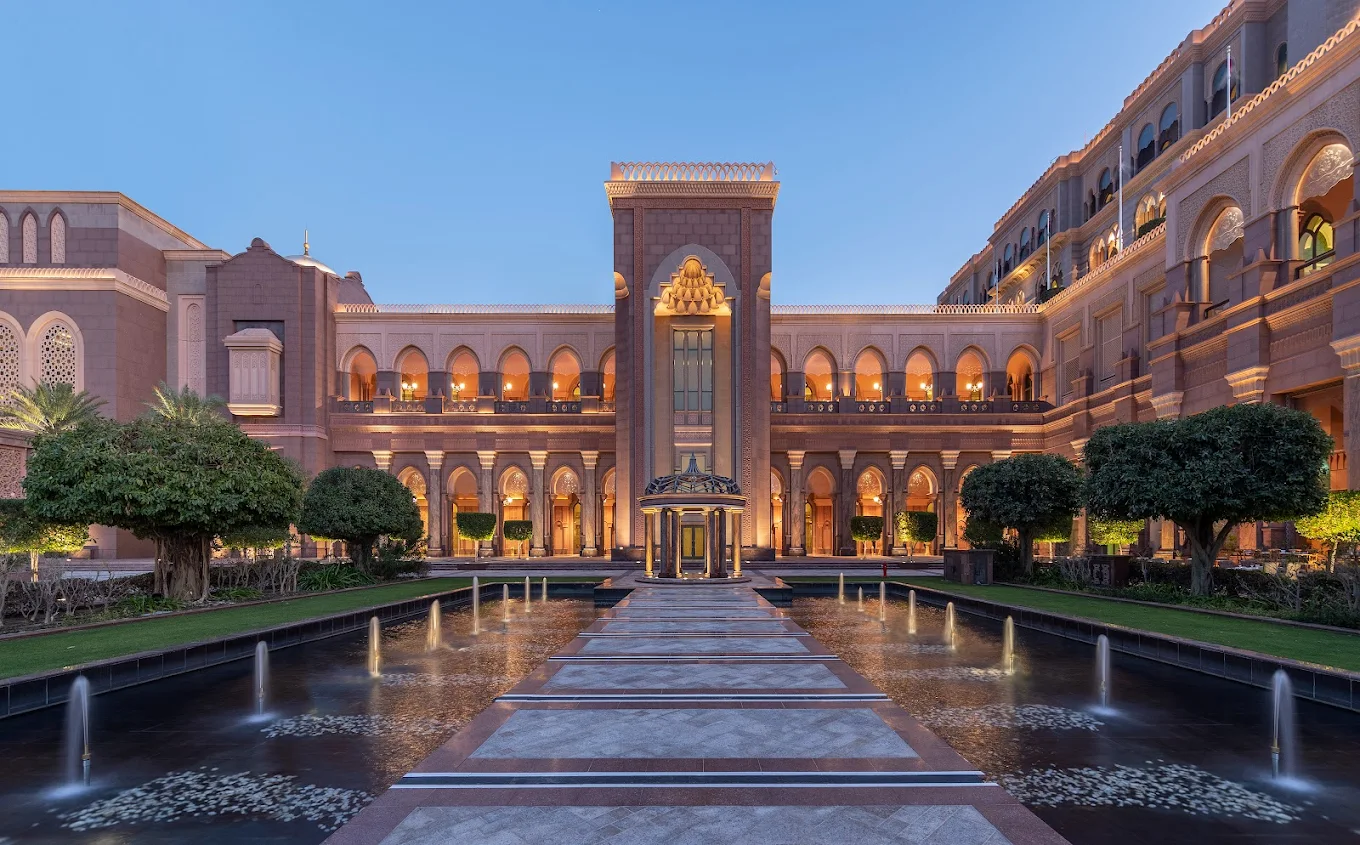
Emirates Palace Mandarin Oriental
An icon of Arabian opulence with gilded domes, marble halls, and sprawling gardens. Ideal for travelers seeking full-scale grandeur and beachfront indulgence.
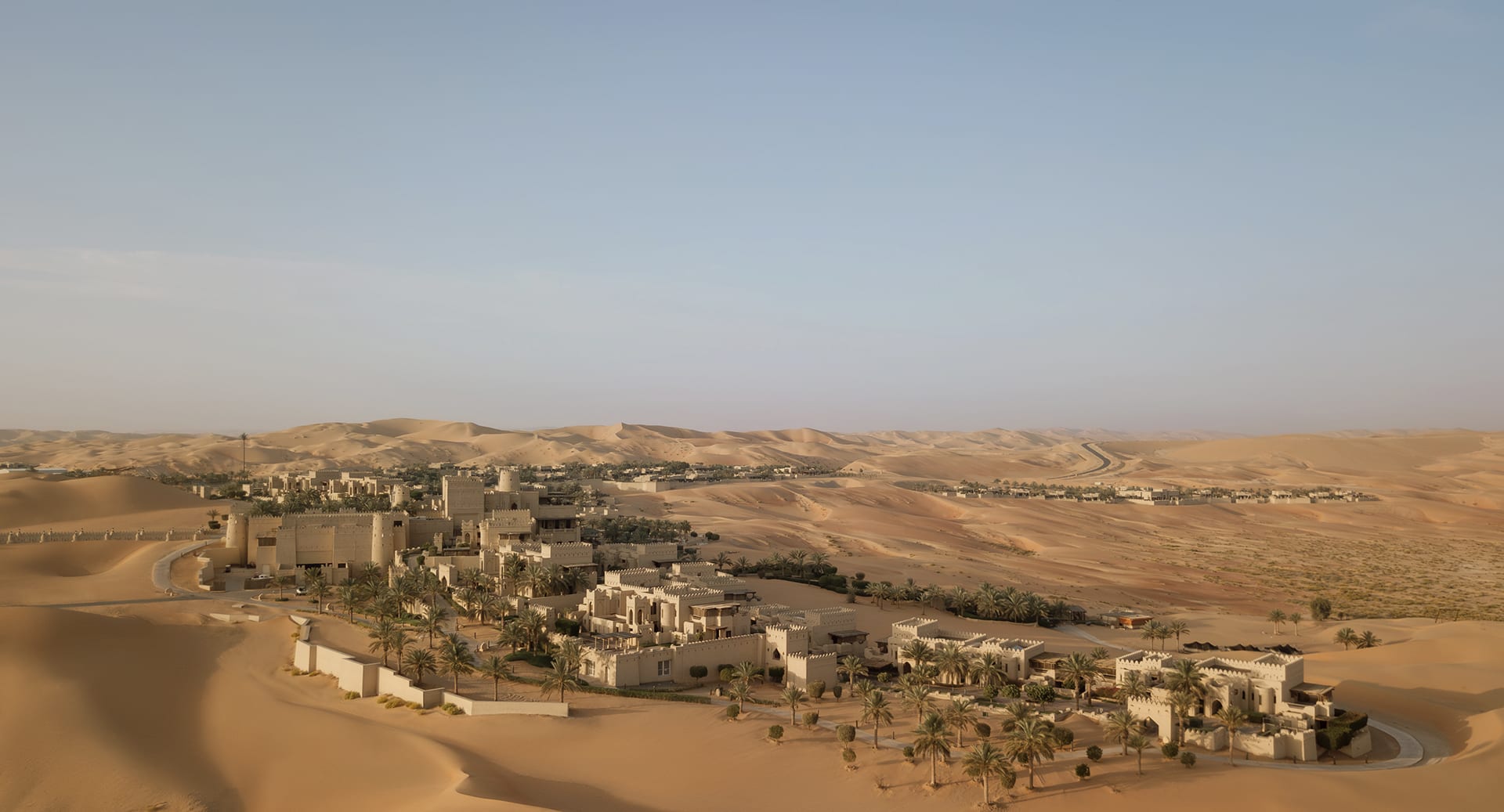
Qasr Al Sarab Desert Resort by Anantara
A world away in the Empty Quarter, this desert palace blends luxury with silence. Camel rides, dune walks, and stargazing define the experience.
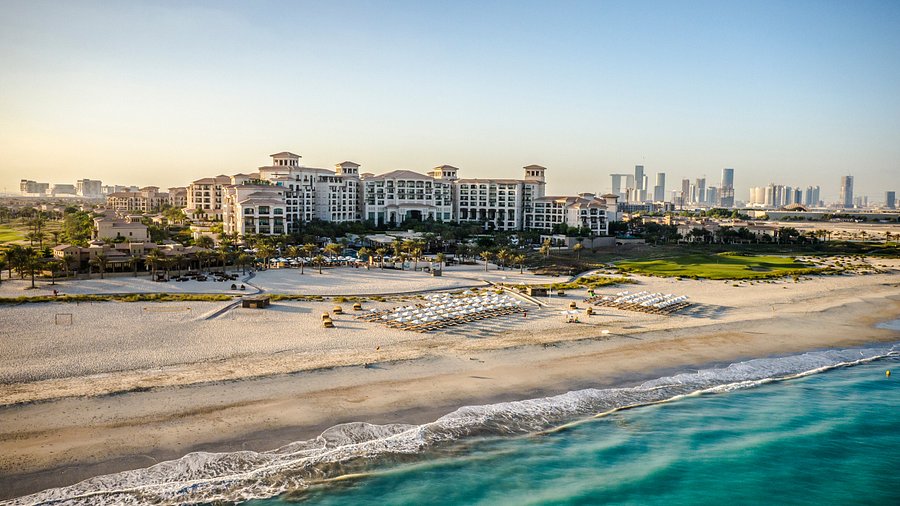
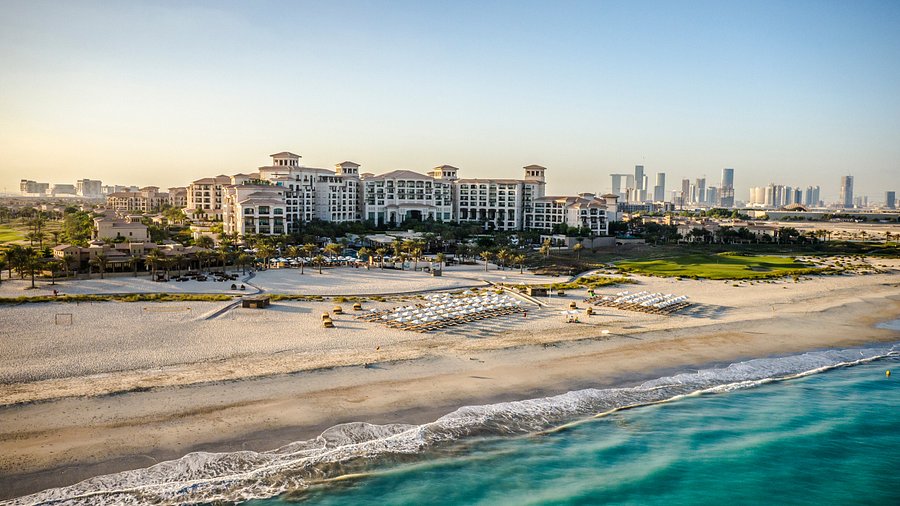
The St. Regis Saadiyat Island Resort
Overlooking a pristine beach, this resort combines understated luxury with proximity to the Louvre and Saadiyat's cultural district.
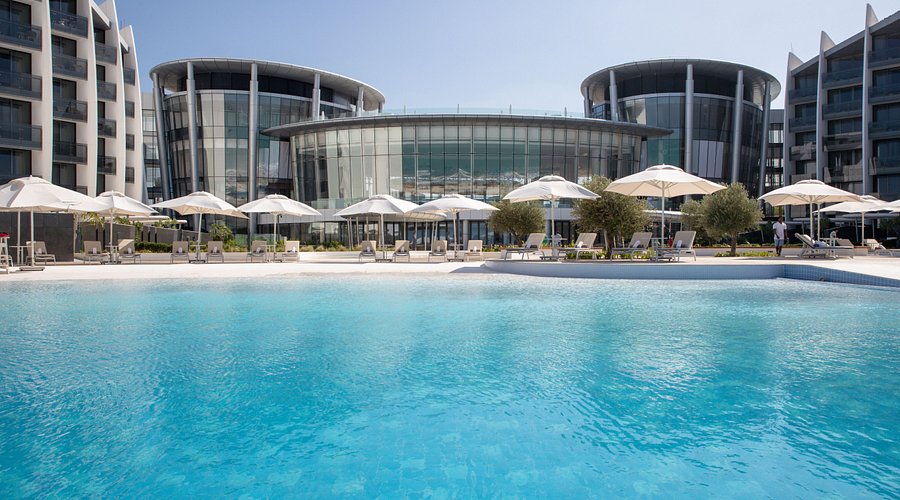
Jumeirah at Saadiyat Island
Known for eco-friendly luxury and serene beachside villas, balancing wellness with indulgence.
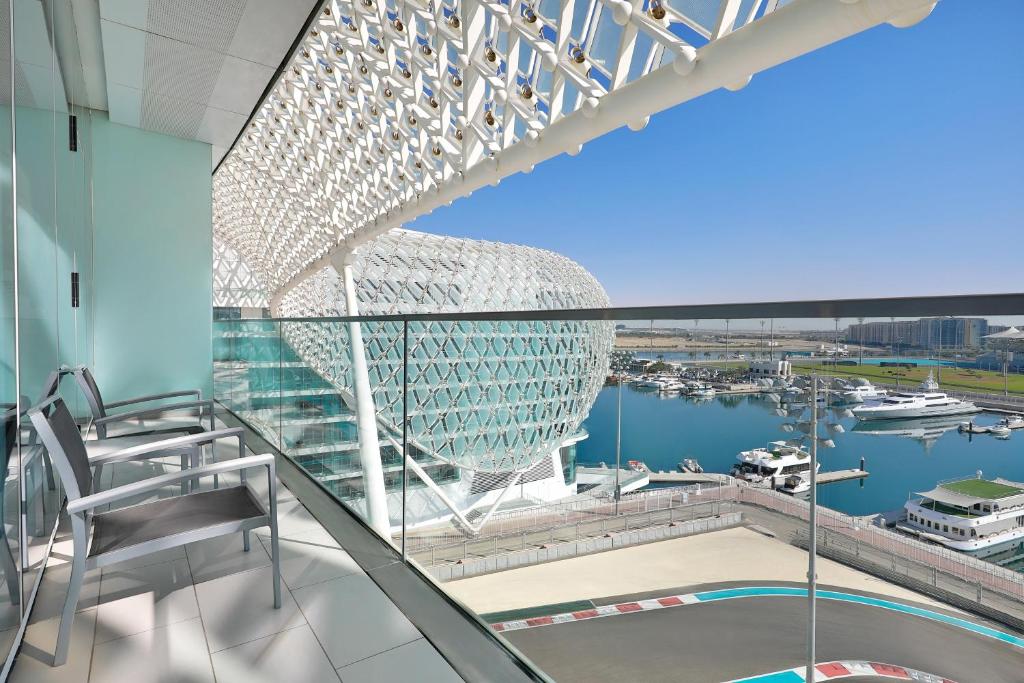
W Abu Dhabi – Yas Island
A bold, futuristic stay built directly over the F1 track—perfect for nightlife lovers and thrill seekers.
Abu Dhabi today is not just a capital—it's a city of balance. Tradition anchors its soul, while innovation drives its horizons. Stillness lives in its mangroves and deserts, ambition hums in its cultural projects and modern islands. For travelers, the city is both sanctuary and spectacle, a place where the past is honored and the future is already arriving.






Leave a Reply