




There was a time when suitcases overflowed with “just in case” outfits, trend-driven purchases, and pieces worn only once for the sake of a photograph. Today, however, the conversation around style has shifted. The modern traveler is no longer dressing for excess, but for ease.
Enter the capsule wardrobe: a carefully edited collection of versatile pieces designed to move effortlessly between destinations, occasions, and moods. What began decades ago as a minimalist fashion concept has evolved into something far more intentional — a reflection of how people increasingly want to live, travel, and consume.
The idea itself is not new. The term “capsule wardrobe” was popularized in the 1970s by London boutique owner Susie Faux, who believed every wardrobe should begin with timeless essentials rather than fleeting trends. But in 2026, the philosophy feels more relevant than ever.
Minimalism has returned to fashion in a softer, more refined way. Think relaxed tailoring, breathable linen, neutral palettes, elegant flats, structured blazers, and understated silhouettes inspired by the effortless polish of the 1990s. The rise of “quiet luxury” has only accelerated this shift, encouraging people to invest in fewer but better pieces that transcend seasons and destinations.
And nowhere does this philosophy feel more practical than in travel.
A thoughtfully curated travel wardrobe reduces more than luggage weight. It reduces decision fatigue. It allows travelers to move through airports, cities, and hotel lobbies with greater ease and confidence. Increasingly, the modern capsule wardrobe is less about strict minimalism and more about versatility — clothing that can adapt seamlessly from daytime exploration to evening dinners with only subtle styling changes.
Most travel capsules revolve around a cohesive neutral palette, lightweight layering pieces, tailored basics, polished yet comfortable footwear, and fabrics that travel well — linen, cashmere, Tencel, and soft cotton blends among them.
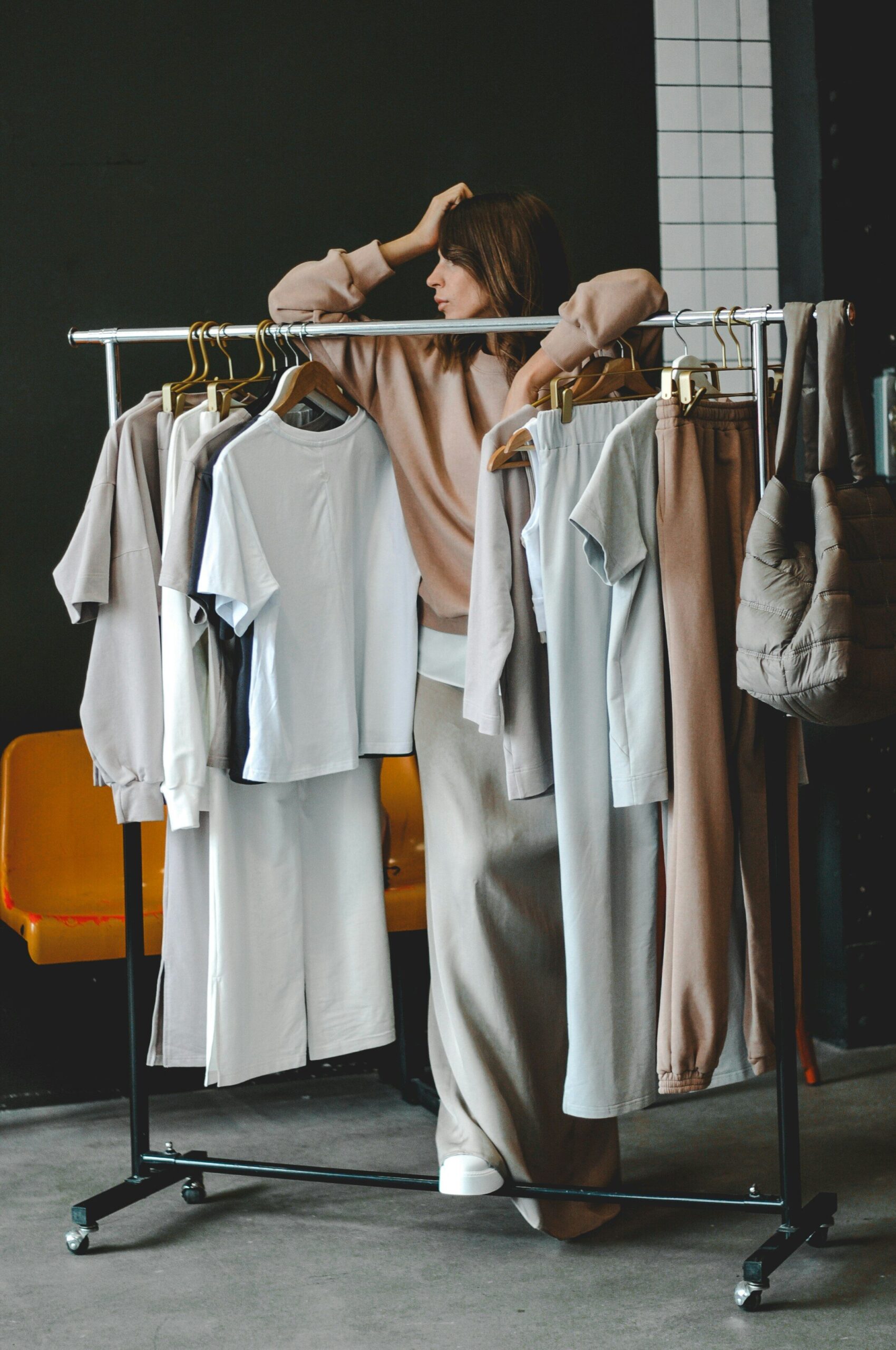
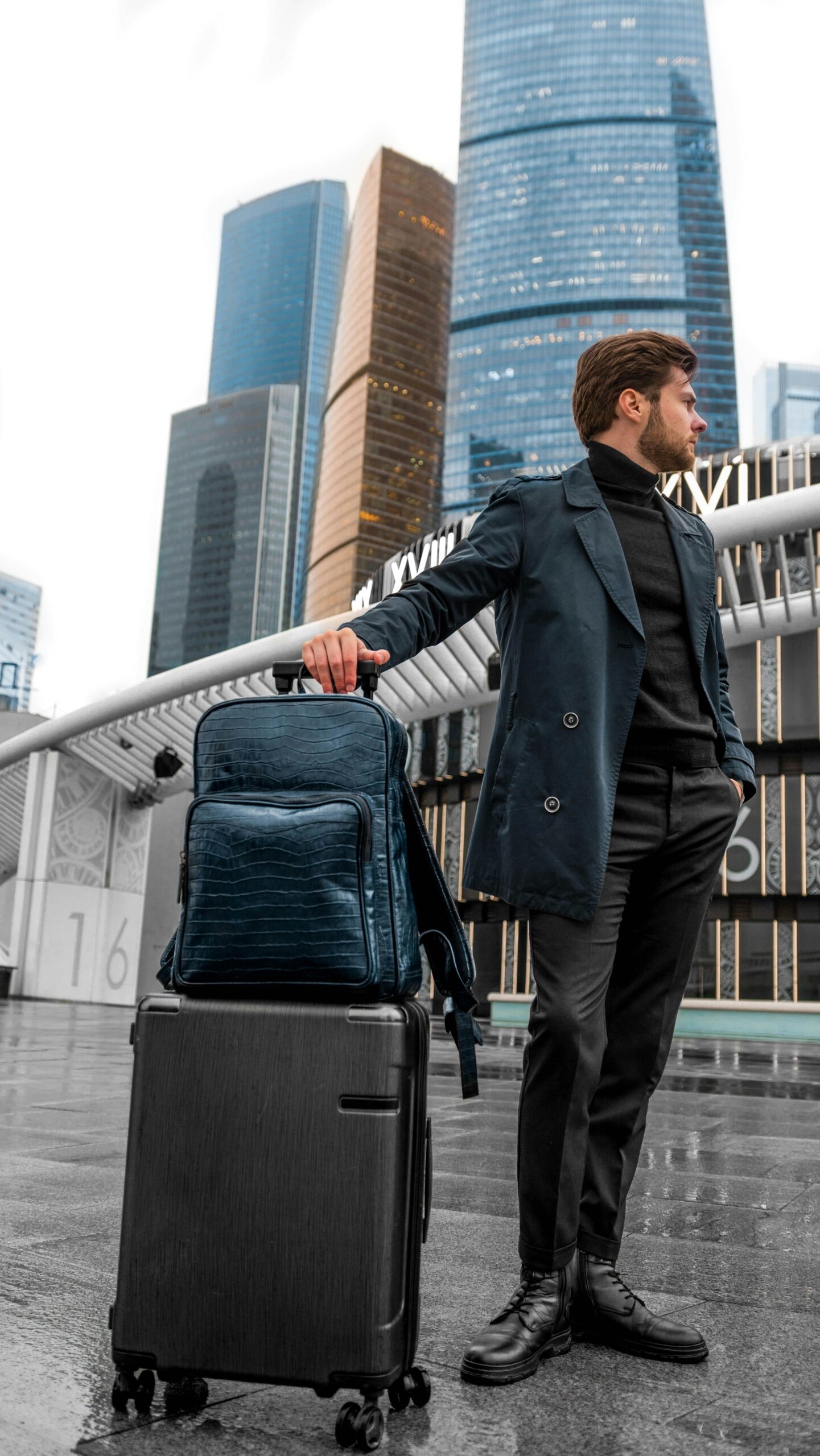
Fashion writers increasingly emphasize that the goal is not to own less for the sake of aesthetics alone, but to own more intentionally.
Interestingly, the capsule wardrobe movement also reflects a wider cultural shift away from fast fashion. Consumers are becoming more aware of sustainability, craftsmanship, and long-term value. Timeless clothing now carries a certain emotional appeal precisely because it resists disposability. A linen shirt worn in Mallorca, New York, and Tokyo over several years becomes part of a personal archive — something trend-driven fashion rarely achieves.
Travel, after all, attaches memory to objects.
Somewhere between industry events in Marrakech, fast-paced days in New York, and slower moments in Miami, I began to notice which pieces followed me effortlessly from one journey to the next. Not because they were the newest, but because they carried ease, familiarity, and confidence wherever I arrived. The blazer worn to meetings, the linen shirt softened by heat and movement, the black dress that belonged equally to rooftop dinners and early morning departures.
A blazer becomes associated with a particular hotel terrace at sunset. A black dress recalls a dinner in Rome. A cashmere sweater carries traces of long-haul flights and unfamiliar cities. The most meaningful wardrobes are often built not around novelty, but around familiarity — pieces that quietly accompany us through different versions of ourselves and the places we move through.
Yet the modern capsule wardrobe is not without criticism. Some argue that the movement risks becoming overly prescriptive, reducing personal style to formulas and muted palettes. Others suggest the obsession with editing and optimization reflects a broader desire for control in an increasingly overwhelming world.
Perhaps the real beauty of the capsule wardrobe lies somewhere in between.
It is not about restriction, perfection, or owning exactly thirty pieces in shades of beige. Nor is it about removing personality from style. The best capsule wardrobes still feel deeply individual. They simply ask one essential question: does this piece belong in the life I actually live?
For travelers especially, that question feels increasingly relevant.
Because the luxury of modern travel no longer lies in bringing everything with us. It lies in knowing what is truly worth carrying.
About the author

-
 7132 Therme, The Architecture of Stillness
 -
 From Conflict to Connection, how Communication shapes Human Relationships
 -
 Heritage for Sale: When Real Estate Becomes a Vessel of Culture
 -
 Eco-Luxury on the Rise, Red Sea Global is Reshaping Travel and Real Estate
 -
 Picture Perfect Pura Tanah Lot




Leave a Reply