




There was a time when honeymoons followed a familiar formula. Overwater villas. Sunset cruises. Matching linen sets. Carefully arranged breakfasts floating in private pools before inevitably appearing online a few hours later. Luxury, for years, became something to be seen before it was ever truly felt.
But somewhere between the pressure of wedding culture and the exhaustion of living increasingly curated lives, something shifted. Couples began searching for a different kind of escape. Not necessarily less luxurious, but less performative. Less about spectacle, and more about feeling.
And quietly, almost unexpectedly, many of them began choosing Japan. Not because it promises excess. But because it offers something far rarer in modern travel: presence.
Romance Beyond the Algorithm
What makes Japan so compelling for honeymooners today is precisely what makes it difficult to summarize.
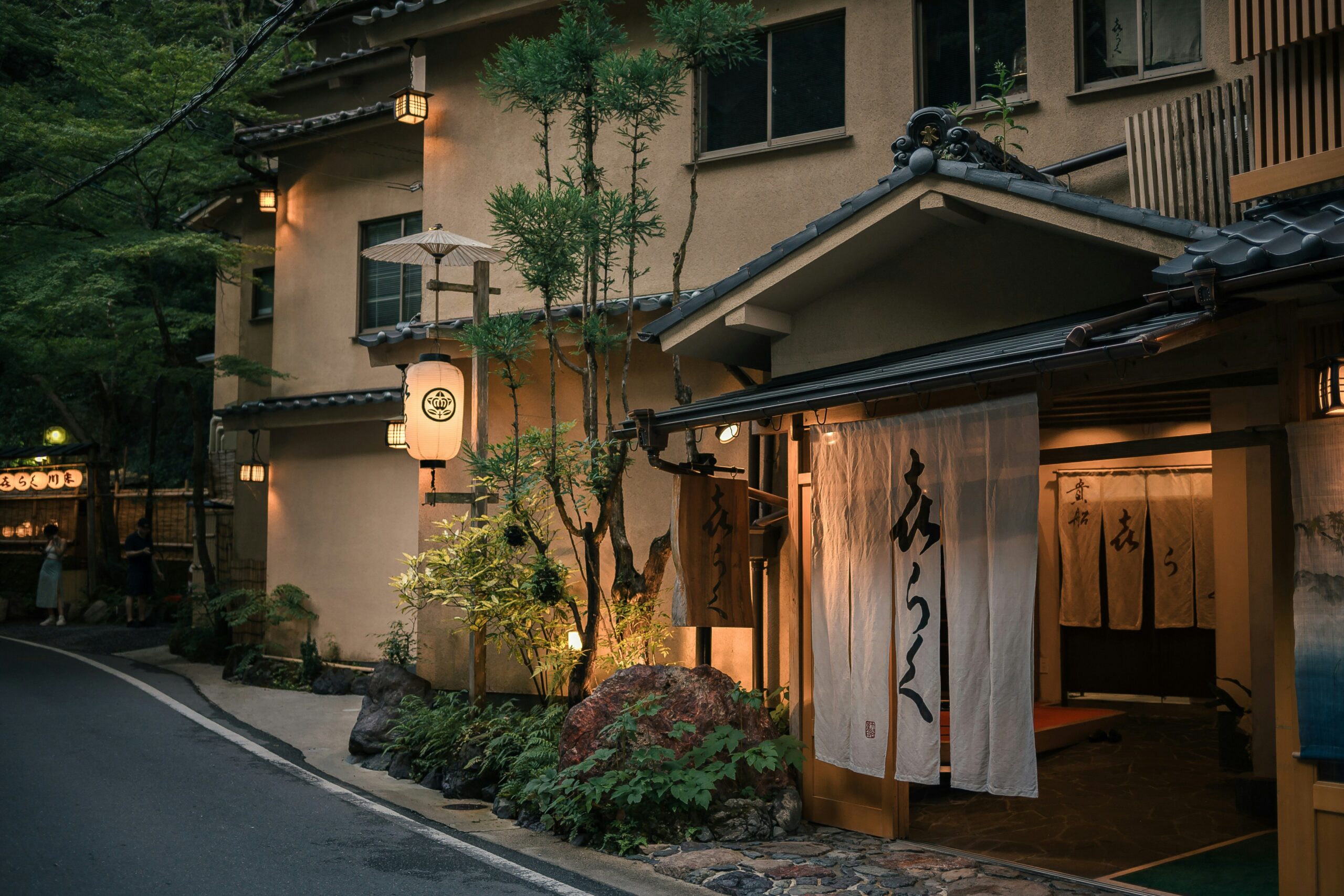
It is not a destination built around obvious romance. There are no staged rose-petal arrivals or aggressively marketed “couples experiences.” Romance exists here in subtler ways — in atmosphere, pacing, gestures, and attention to detail. A shared silence inside a centuries-old ryokan. The warmth of an onsen after walking through snow-covered streets. Sitting shoulder to shoulder at a tiny ramen counter in Tokyo while the city hums quietly outside.
In Japan, romance is rarely announced. It reveals itself slowly. And perhaps that is what modern couples are craving most after the noise of wedding planning, social media expectations, and fast-moving lives: the ability to slow down enough to actually experience each other again. Japan rewards the kind of attention modern life rarely allows anymore.
Even ordinary moments begin to feel cinematic. Not because they were designed to be photographed, but because they feel emotionally real.
The Rise of Quiet Luxury
For a new generation of travelers, luxury is no longer defined solely by visibility. The most aspirational experiences today are often the least ostentatious — private, thoughtful, deeply personal. Luxury has shifted away from excess and toward emotional quality. Japan understands this instinctively.
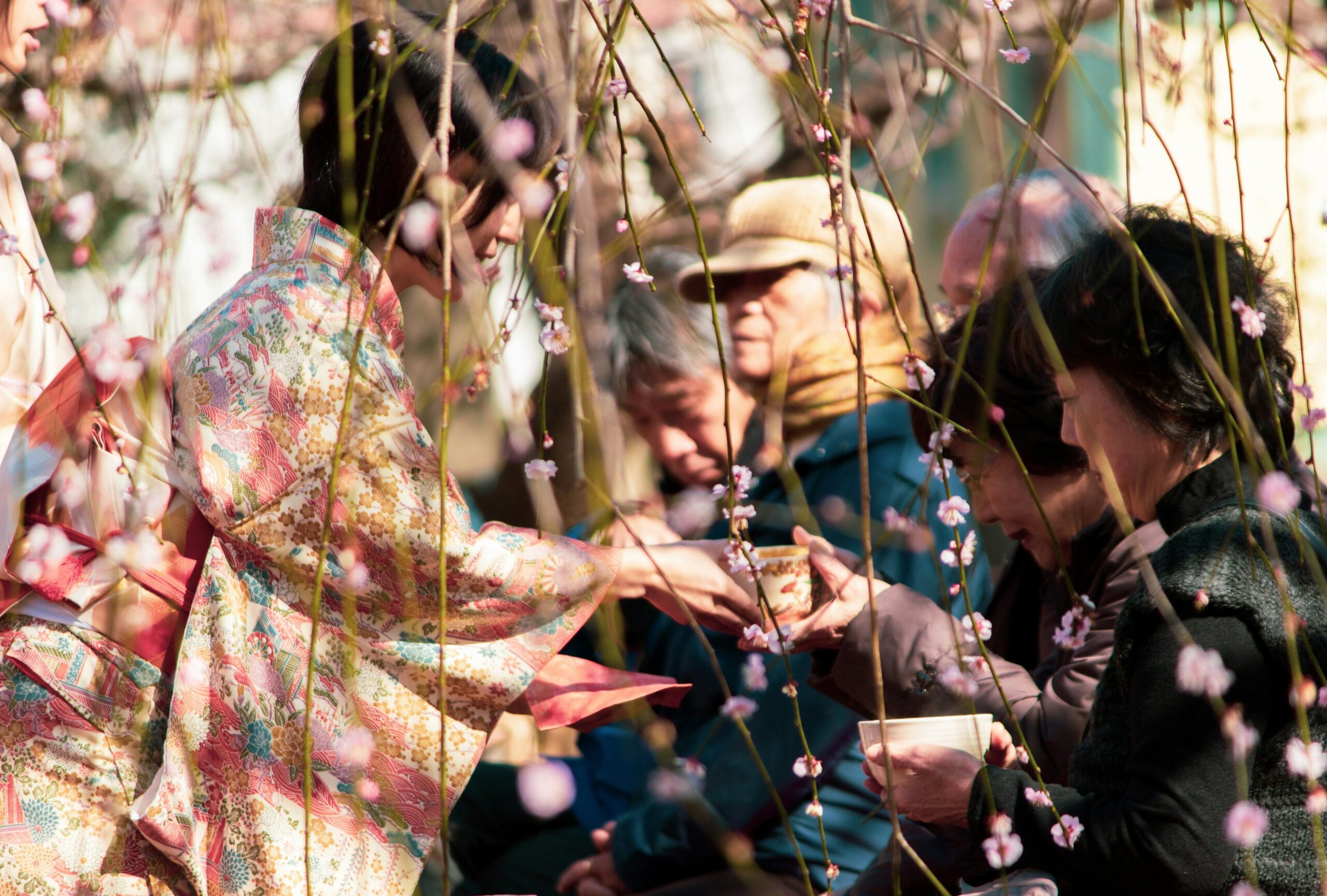
At a ryokan in Kyoto, hospitality is expressed through precision and care rather than grand gestures. Shoes are quietly replaced at the entrance. Tea appears without interruption. Dinner unfolds slowly, course by course, with a kind of grace that feels almost ceremonial. There is elegance in restraint.
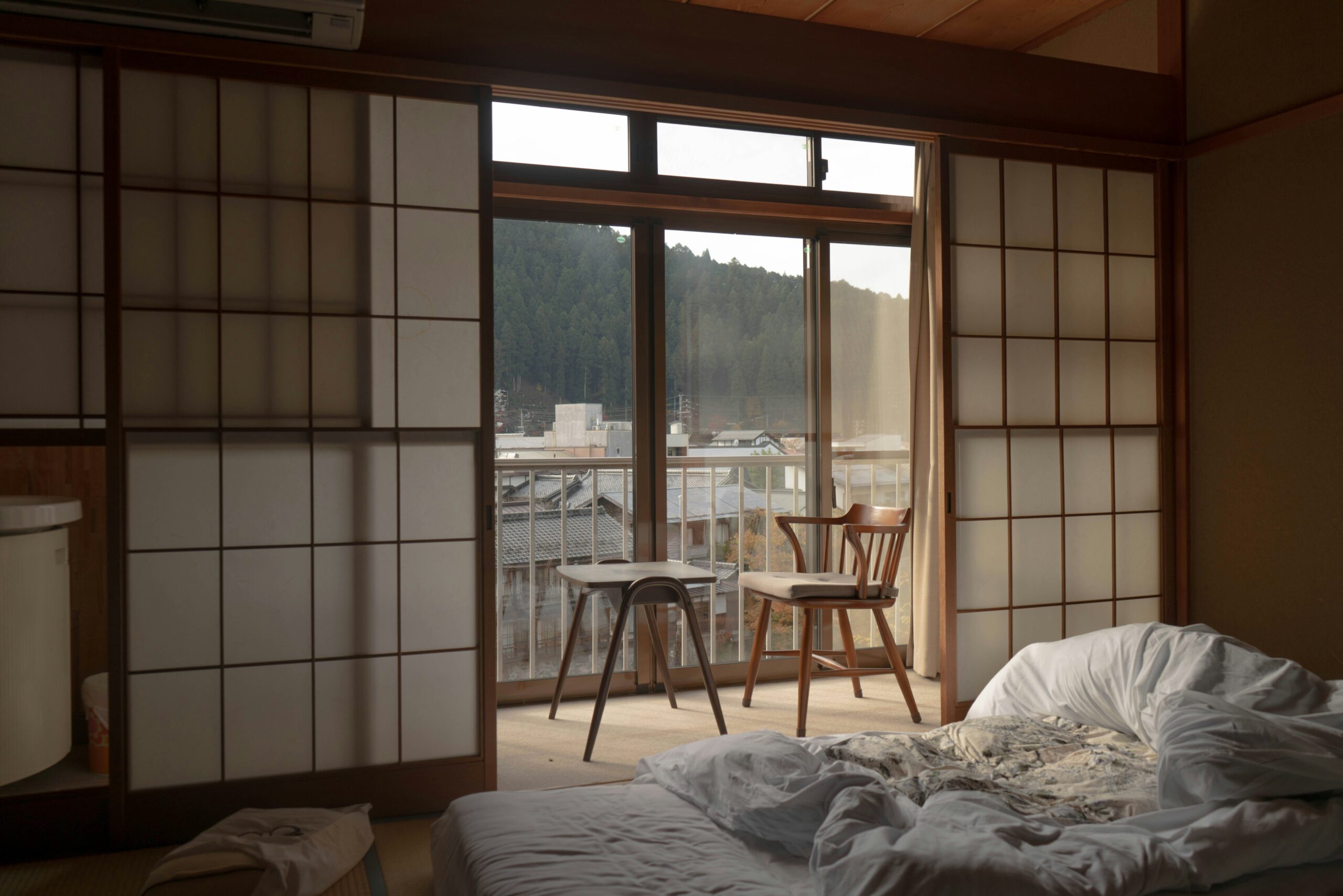
Even the country’s aesthetics — muted tones, natural textures, warm wood, paper screens filtering soft afternoon light — create an atmosphere that encourages calm rather than stimulation. Couples are not constantly entertained. They are given space. And in a world increasingly addicted to distraction, space itself has become luxurious.
Kyoto: The City Couples Return Home Talking About
If Tokyo is energy, Kyoto is intimacy.
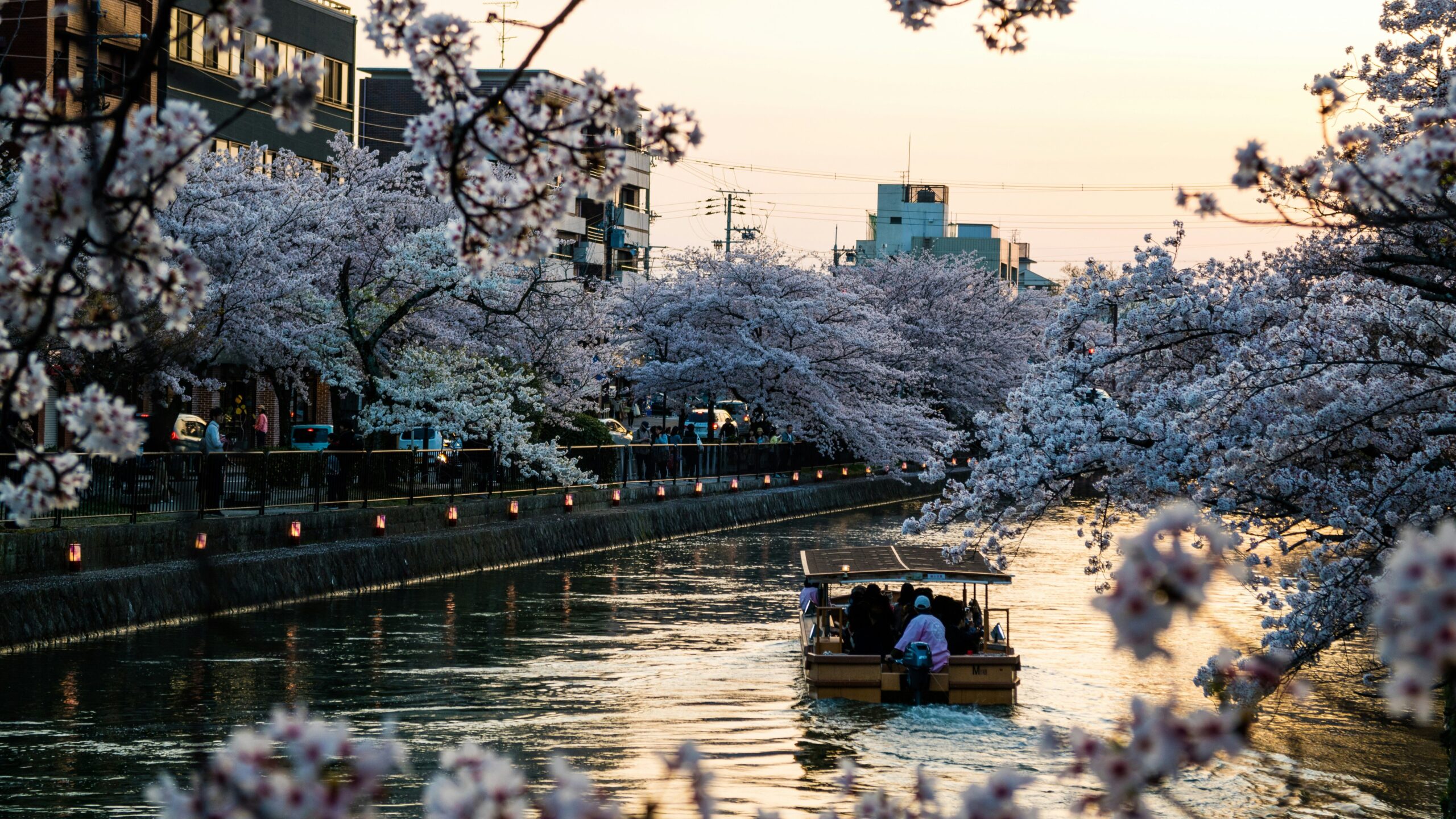
The city moves with a kind of softness that feels increasingly rare. Mornings arrive slowly through temple gardens and narrow stone streets still wet from rain. Afternoons disappear inside kissaten cafés scented with coffee and cedarwood. Evenings unfold quietly beneath the glow of lantern-lit alleyways in Gion.
There is no urgency here. And that absence of urgency changes the emotional rhythm of travel itself.
In Kyoto, even silence feels intentional. Couples wander without destination, linger over dinners that stretch late into the night, and learn that romance sometimes lives more powerfully in pauses than in plans.
The city doesn’t overwhelm you. It unfolds slowly, almost shyly, rewarding those willing to notice. Perhaps that is why so many couples return home speaking about Kyoto less as a destination, and more as a feeling.
A memory suspended somewhere between nostalgia and discovery.
Intimacy Through Ritual
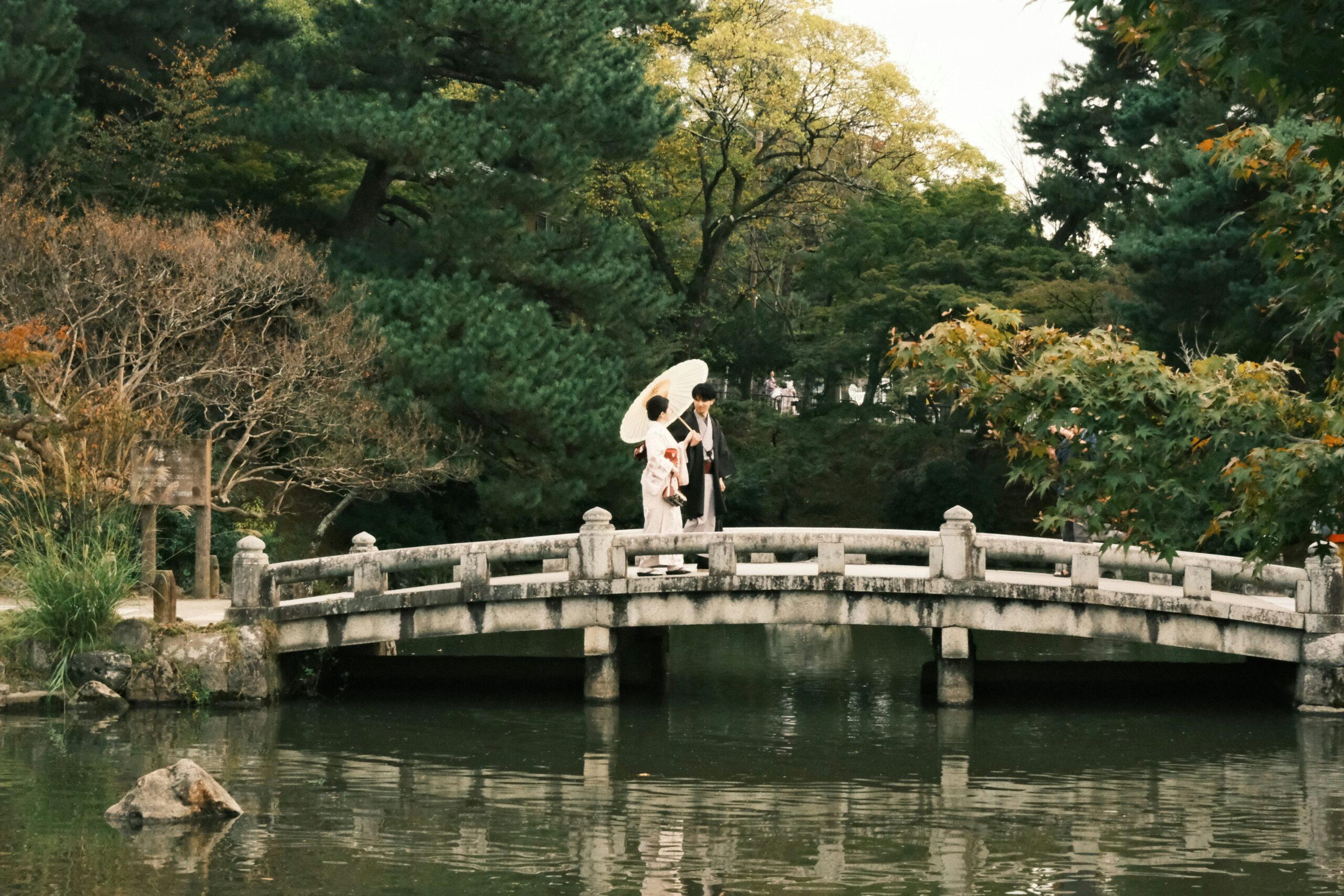
One of the most beautiful things about traveling through Japan as a couple is how naturally the culture encourages mindfulness. Meals become rituals. Bathing becomes ritual. Even train travel carries a quiet choreography. There is something profoundly romantic about experiencing a culture that values intentionality in everyday life.
A kaiseki dinner is not simply food; it is seasonality, artistry, pacing, and atmosphere unfolding delicately course by course. An onsen is not simply relaxation; it is surrendering to stillness together. Even convenience stores somehow feel touched by care and precision. For couples, these experiences create connection not through adrenaline or extravagance, but through shared awareness.
And often, those are the memories that endure longest. Perhaps that is why Japan feels so romantic to modern couples: it is one of the few places left where people are still encouraged to move gently through the world.
The Honeymoon Is Becoming More Emotional
Perhaps the shift toward Japan says something larger about relationships themselves. Modern couples are increasingly drawn to experiences that reflect emotional compatibility rather than social performance. They want travel that feels immersive instead of extractive. Intimate instead of optimized. Japan offers that naturally.
It asks visitors to pay attention. To move slower. To notice small things. And relationships, in many ways, require the same qualities. Patience. Presence. Curiosity. Quiet understanding.
Maybe that is why so many couples return from Japan speaking less about what they saw, and more about how they felt there. Closer. Calmer. More connected.
Maybe that is the real luxury now — not excess, but attention. Not spectacle, but presence. The feeling of discovering a place, and perhaps even each other, a little more slowly.




Leave a Reply