




Despite occupying one of the most strategically significant locations in human history—a crossroads between Asia, Africa, and Europe—Jordan remains one of the Middle East's most overlooked destinations.
For thousands of years, merchants, pilgrims, armies, and explorers passed through these lands, leaving behind traces of the civilizations that shaped the ancient world. The result is a country where history is not confined to museums or monuments, but woven into the landscape itself.
Few places allow travelers to move so effortlessly between different chapters of human history. Roman cities, Nabataean wonders, biblical landscapes, desert trade routes, and contemporary urban life coexist within a remarkably compact geography.
This is perhaps what makes Jordan unique. It is not simply a place where history happened. It is a place where history can still be felt.
Geography as Destiny
Geography has always shaped Jordan’s destiny. Positioned between the Mediterranean world, the Arabian Peninsula, and the great civilizations of Mesopotamia and Egypt, Jordan occupied a place of strategic importance long before modern borders existed. Trade routes crossed its deserts, caravans transported goods between continents, and successive empires recognized the value of controlling the region.
For centuries, these lands served not as a destination at the edge of the world, but as a crossroads at its center.
The remnants of those encounters remain visible today. Roman theatres, Byzantine churches, Crusader castles, early Islamic monuments, and Nabataean cities are scattered across the country, each representing a different chapter in a story that spans millennia.
What is remarkable is not merely the number of historical sites, but the continuity they represent. Jordan's history is not defined by a single civilization or period. Rather, it is the cumulative result of countless cultures, faiths, and peoples that passed through, settled, traded, and left their mark on the landscape.
Some destinations reveal themselves through landmarks. Jordan reveals itself through time.
A Landscape of Civilizations
In Jordan, history is rarely confined to a single place. It reveals itself gradually, often through the landscape itself.
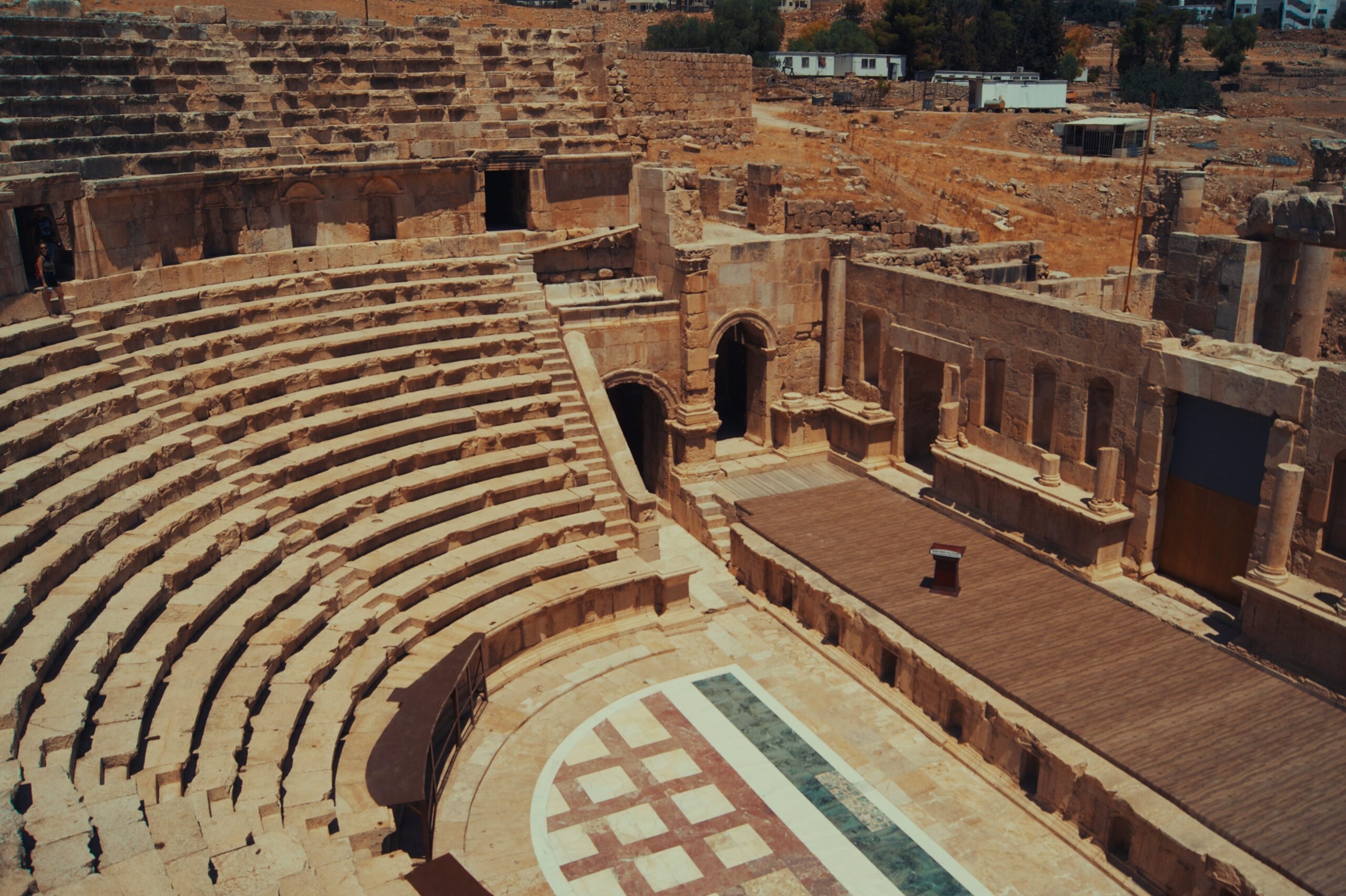
In the north, the remarkably preserved Roman city of Jerash offers a glimpse into a period when the region formed part of one of the most powerful empires in history. Colonnaded streets, temples, theatres, and public squares remain standing centuries after the empire's decline, providing a vivid reminder of Jordan's place within the ancient world.
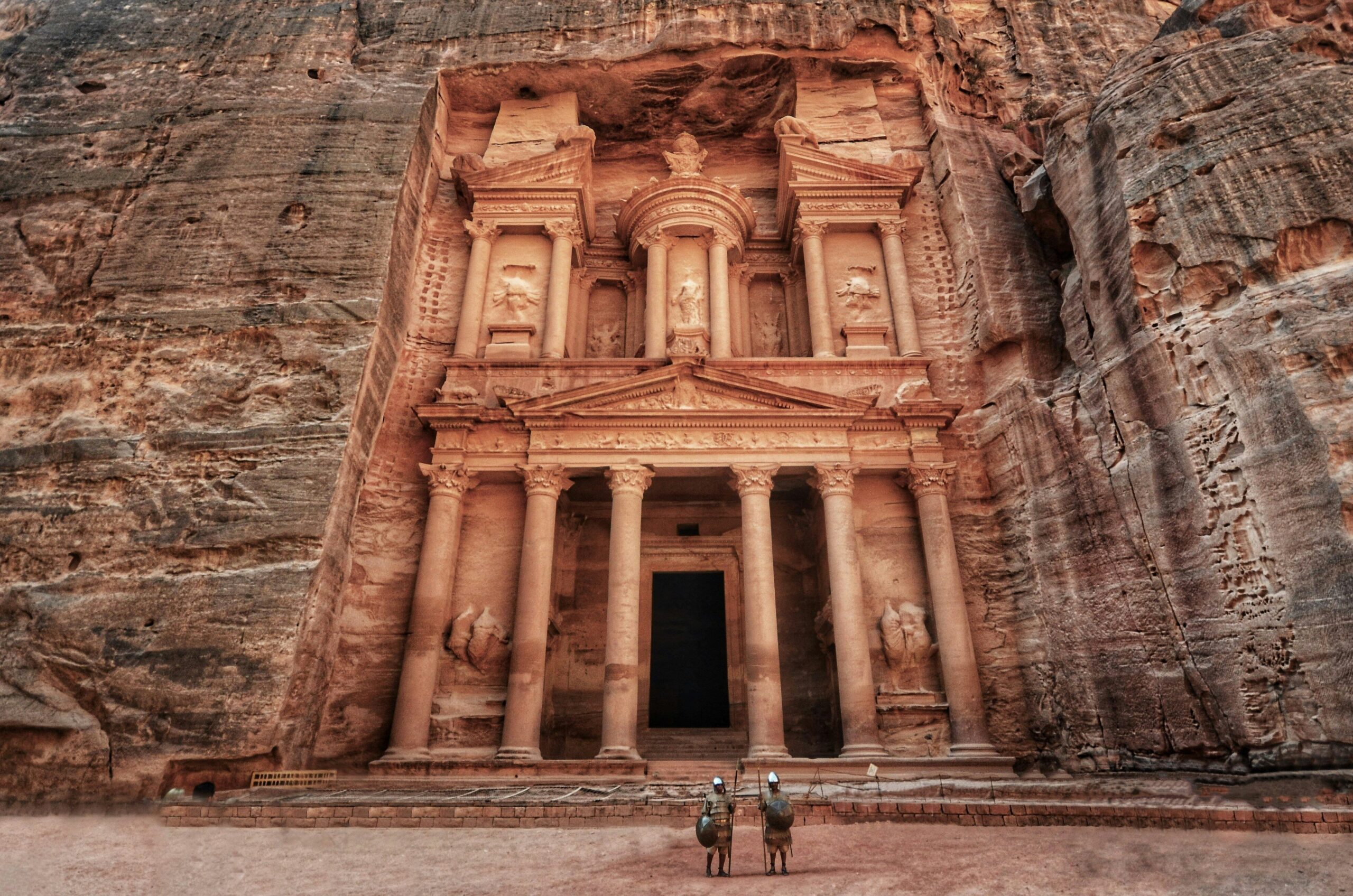
Further south, Petra rises from the desert in a dramatically different expression of human ingenuity. Carved directly into rose-colored sandstone cliffs by the Nabataeans more than two thousand years ago, it remains one of the world's most extraordinary archaeological wonders. Yet Petra is more than a monument. It is evidence of a sophisticated civilization that transformed its position along ancient trade routes into a flourishing center of commerce and culture.
Elsewhere, biblical sites, early Christian landmarks, and Islamic heritage sites tell equally important chapters of the region's story. Together they reveal a land that has long stood at the intersection of faith, culture, and exchange.
What distinguishes Jordan is not the presence of these individual sites, impressive though they are. It is the way they collectively illustrate the continuity of human history across a relatively small territory.
Few destinations allow visitors to encounter so many civilizations within a single journey.
The Desert and the Measure of Time
If Jordan's ancient cities tell the story of civilizations, its deserts tell the story of endurance.
Long before roads, airports, and national borders, these landscapes shaped the movement of people across the region. Caravans crossed vast distances carrying goods, ideas, languages, and beliefs between continents.
Deserts have long occupied a special place in the human imagination. They are landscapes of scarcity and silence, places that strip away distraction and confront travelers with scale. Across cultures and centuries, prophets, explorers, traders, and seekers have crossed deserts not simply to reach another destination, but because the journey itself offered perspective.
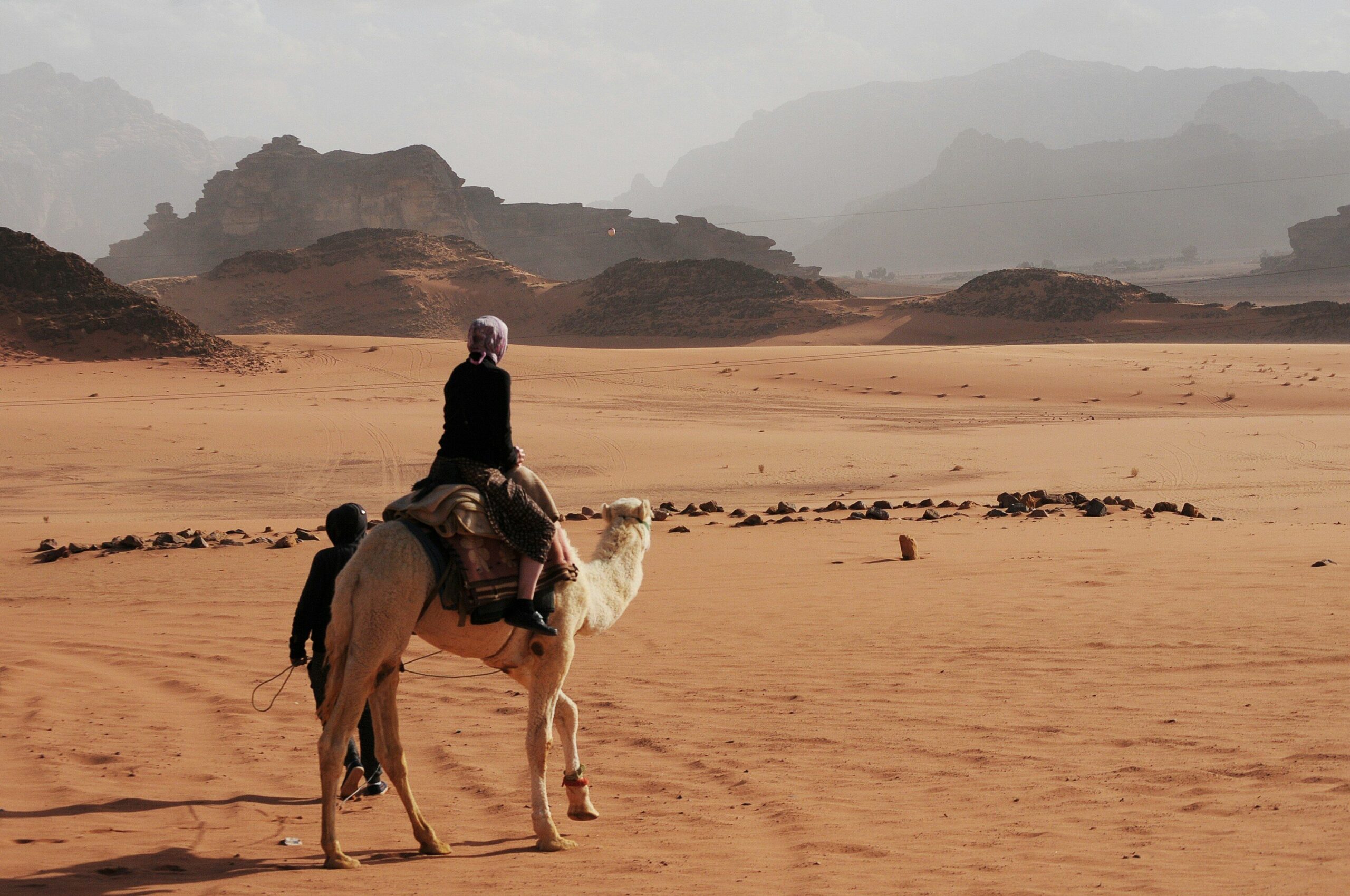
Wadi Rum remains one of the most striking examples of this relationship between landscape and reflection. Its sandstone mountains and vast open spaces create a sense of timelessness that is increasingly rare in the modern world.
Here, perhaps more than anywhere else in Jordan, it becomes easier to understand why the country calls itself the Kingdom of Time.
In the silence of the desert, time seems to move differently. Distances feel larger. Human achievements appear smaller. The landscape offers a reminder that civilizations rise and fall, while geography endures.
Amman: Where Past and Present Meet
If Jordan's archaeological sites offer a window into the past, Amman reveals the country's present.
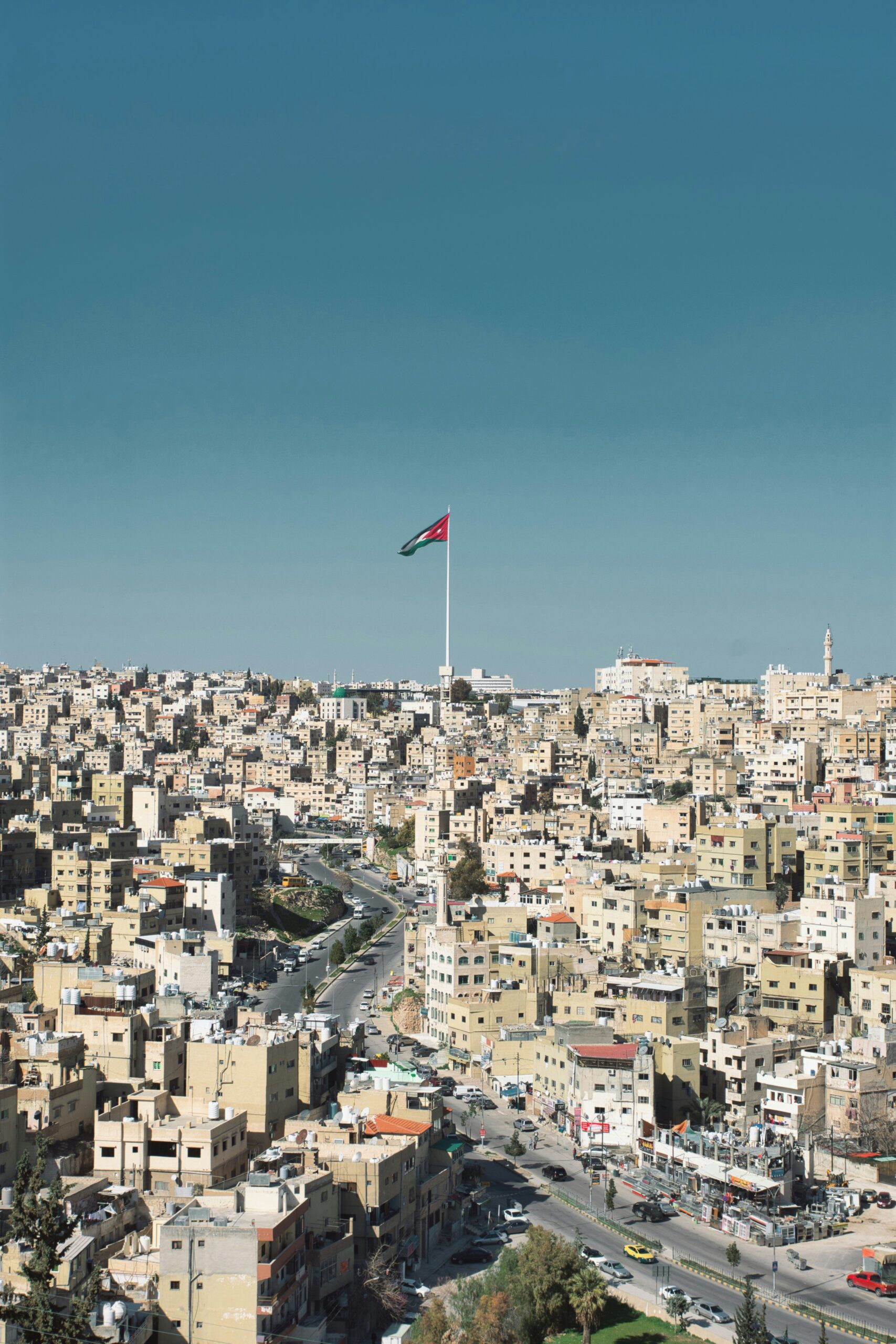
Built across a series of hills, the capital is often overlooked by visitors eager to reach Petra or Wadi Rum. Yet Amman offers an important glimpse on modern Jordan. Ancient ruins stand alongside contemporary cafés, art galleries, restaurants, and bustling neighborhoods, reflecting a country that continues to evolve while remaining deeply connected to its heritage.
The Citadel, with its Roman, Byzantine, and Umayyad remains, overlooks a city that has grown into one of the region's most dynamic urban centers. From the historic downtown to the creative districts that have emerged in recent years, Amman illustrates the coexistence of old and new that defines much of Jordan itself.
It is here, perhaps more than anywhere else, that the country's layered identity becomes visible—not as history preserved, but as history continuing to unfold.

Why Jordan Still Matters
In an age defined by speed, immediacy, and constant change, places that encourage a longer view of history have become increasingly rare.
Jordan offers such a perspective. Its landscapes remind us that civilizations rise and fall, that cultures evolve through exchange rather than isolation, and that human history is often shaped by movement, encounter, and adaptation.
Perhaps this is why Jordan resonates with so many travelers. Beyond its monuments and landscapes, it offers context. It invites visitors to step outside the present moment and consider the centuries that came before.
The experience is not simply educational. It is humbling.
To travel through Jordan is to be reminded that our own moment in time forms part of a much larger story. Perhaps that is Jordan's greatest appeal. Not any single monument, landscape, or experience, but the perspective the country offers.
In a world increasingly focused on the immediate, Jordan invites us to think in centuries rather than seasons, and to view our own moment in history as part of a much longer story. That may be why the country lingers in the memory long after the journey ends. Not because it allows us to escape the present, but because it helps us understand it within the context of time itself.
Inspired to experience Jordan for yourself? Explore our practical guide, The Essential Jordan: A Guide to the Kingdom of Time, for itinerary ideas, essential experiences, and planning advice




Leave a Reply