




For many travelers, northern Portugal is synonymous with Porto. Its vibrant riverside, storied wine cellars, and bustling streets have rightfully earned their fame. But just beyond the city's northern edge, the scenery transforms. Life eases into a gentler rhythm, the crowds melt away, and the Atlantic whispers at your side. Here, in the storied coastal town of Vila do Conde, a different Portugal emerges—one shaped by centuries of seafaring, elegant architecture, sweeping beaches, and a lifestyle that has always chosen to linger rather than rush.
Perched above the River Ave as it flows into the Atlantic, The Lince Santa Clara has stood sentinel over this landscape for more than seven centuries. Founded as a monastery in 1318, it has watched Vila do Conde change from a bustling maritime hub into one of northern Portugal’s most enchanting, if underappreciated, towns. Its role has shifted, but its spirit endures. Once a sanctuary for reflection, it is now one of Portugal’s most captivating heritage hotels, where history is not locked away but gently woven into the fabric of daily life.
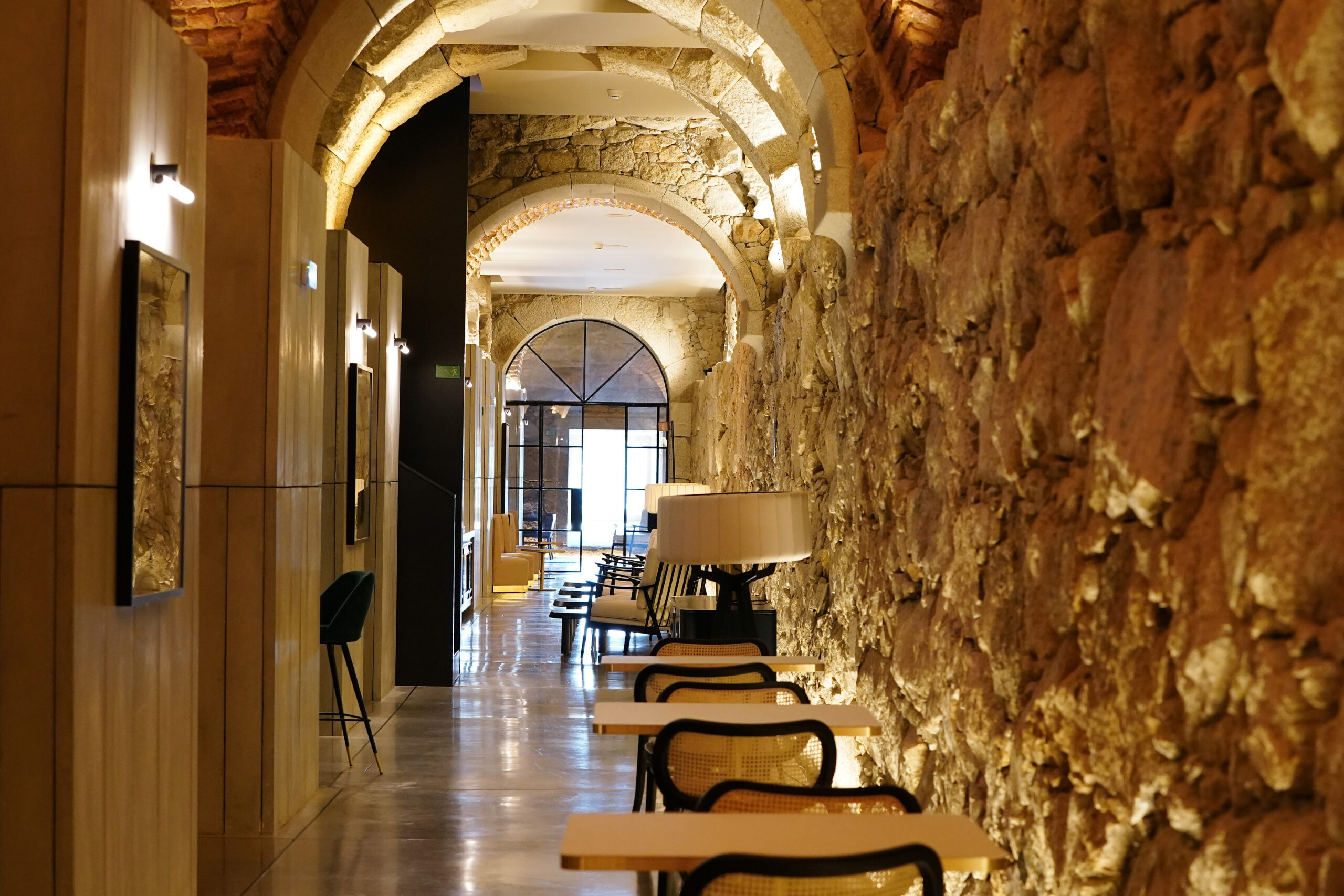
The most remarkable aspect of The Lince Santa Clara is not simply that it occupies a historic monastery. It is that the building still feels unmistakably like one, allowing history to shape the experience at every turn.
Walking through its vaulted corridors and cloisters, there is an unmistakable calm that cannot be recreated by design alone. Light filters softly through centuries-old stone arches. Silence lingers in spaces once intended for contemplation. Even the architecture's generous proportions encourage a slower pace, inviting guests to pause rather than simply pass through.
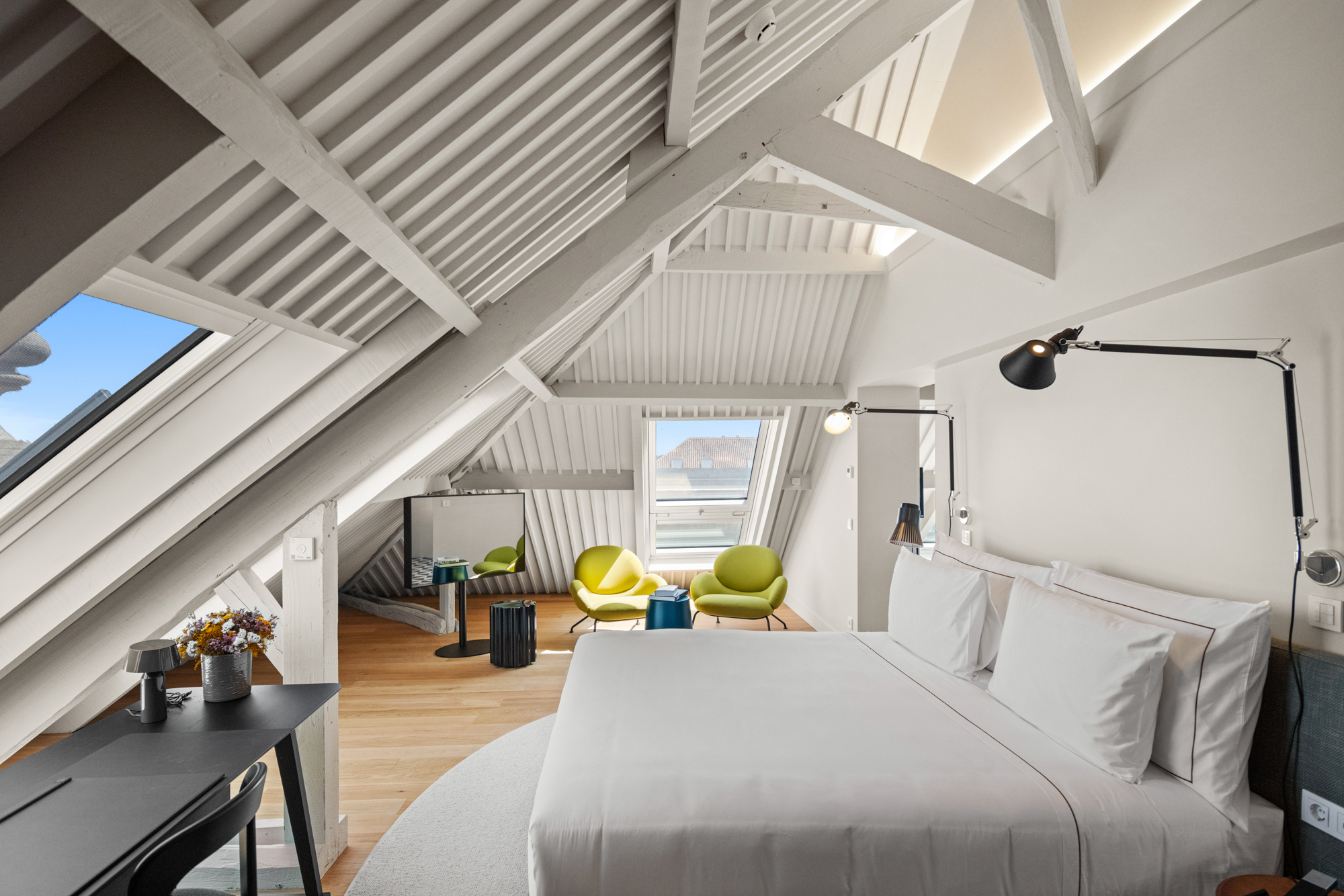
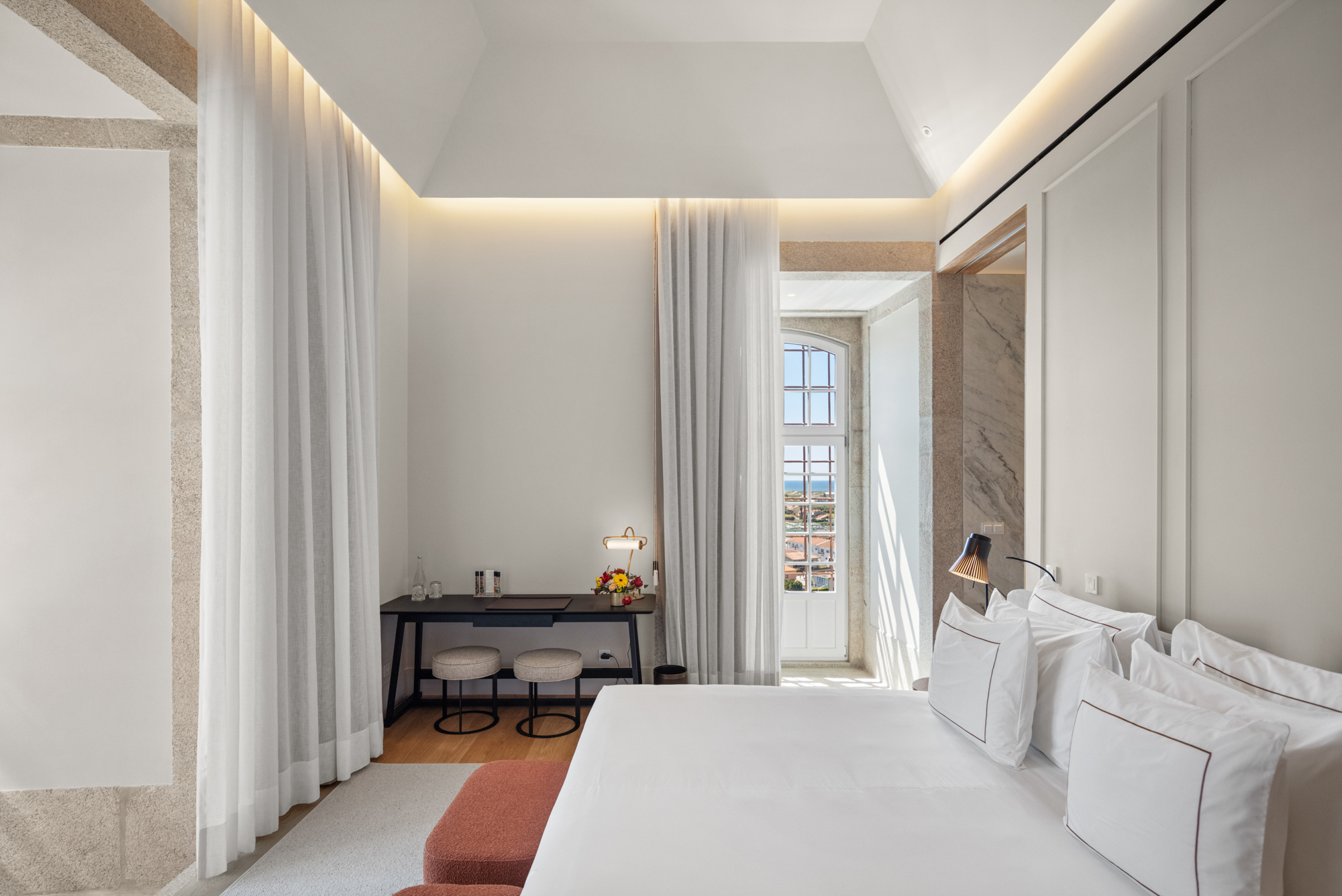
Contemporary interventions are deliberately restrained. Natural wood, warm textures, and understated furnishings sit comfortably alongside the original structure, allowing history to remain the dominant presence. Luxury here isn't expressed through excess but through balance—respecting the building's heritage while ensuring every modern comfort has its place.
Step onto the terraces and the reason for this setting becomes immediately clear. Below, the rooftops of Vila do Conde give way to the River Ave as it makes its final journey to the Atlantic, a landscape that has changed remarkably little over the centuries. Beyond lies a coastline that remains surprisingly undiscovered by international travelers—an Atlantic Portugal that moves at its own rhythm, where fishing traditions endure, beaches remain uncrowded, and centuries-old craftsmanship still forms part of everyday life.
This is perhaps the hotel's greatest gift. Rather than encouraging guests to remain within its walls, it gently draws them into the town itself.
Vila do Conde rewards curiosity. Walking its historic center reveals elegant churches, narrow streets, traditional cafés, and one of Portugal's longest aqueducts stretching across the hillside. Nearby, the replica of a sixteenth-century Portuguese carrack recalls the country's Age of Discoveries, while the Museum of Bobbin Lace preserves a craft that has become inseparable from the town's identity. A little farther on, Atlantic promenades, beaches, and surf schools remind visitors that northern Portugal's coastline offers far more than a gateway to Porto.
After wandering Vila do Conde, Santa Clara feels less like a hotel to return to than a continuation of the place itself. The Aqueduto Wellness & Spa extends the building's atmosphere of tranquility rather than interrupting it. Indoor and outdoor pools, Sisley Paris treatments, and thoughtfully designed wellness spaces feel less like additions and more like a natural continuation of the monastery's original spirit of restoration and reflection.
That same sense of place reaches the table. At Oculto, awarded a Michelin Star in both 2025 and 2026, the Atlantic inspires an elegant menu centered on seafood and seasonal Portuguese ingredients. The restaurant takes its name from the Latin occultus—hidden—a fitting choice for a space discovered during the monastery's restoration and transformed into one of northern Portugal's most compelling dining destinations. Here, technique serves the ingredients rather than overshadowing them, allowing the flavors of the region to remain unmistakably present.
None of this feels designed to impress, yet it inevitably does. Two Michelin Keys acknowledge the quality of the overall experience, but accolades only tell part of the story. What distinguishes The Lince Santa Clara is its central promise: this is a place where history is not merely observed, but lived. Many heritage hotels invite guests to admire the past; this one invites them to inhabit it.
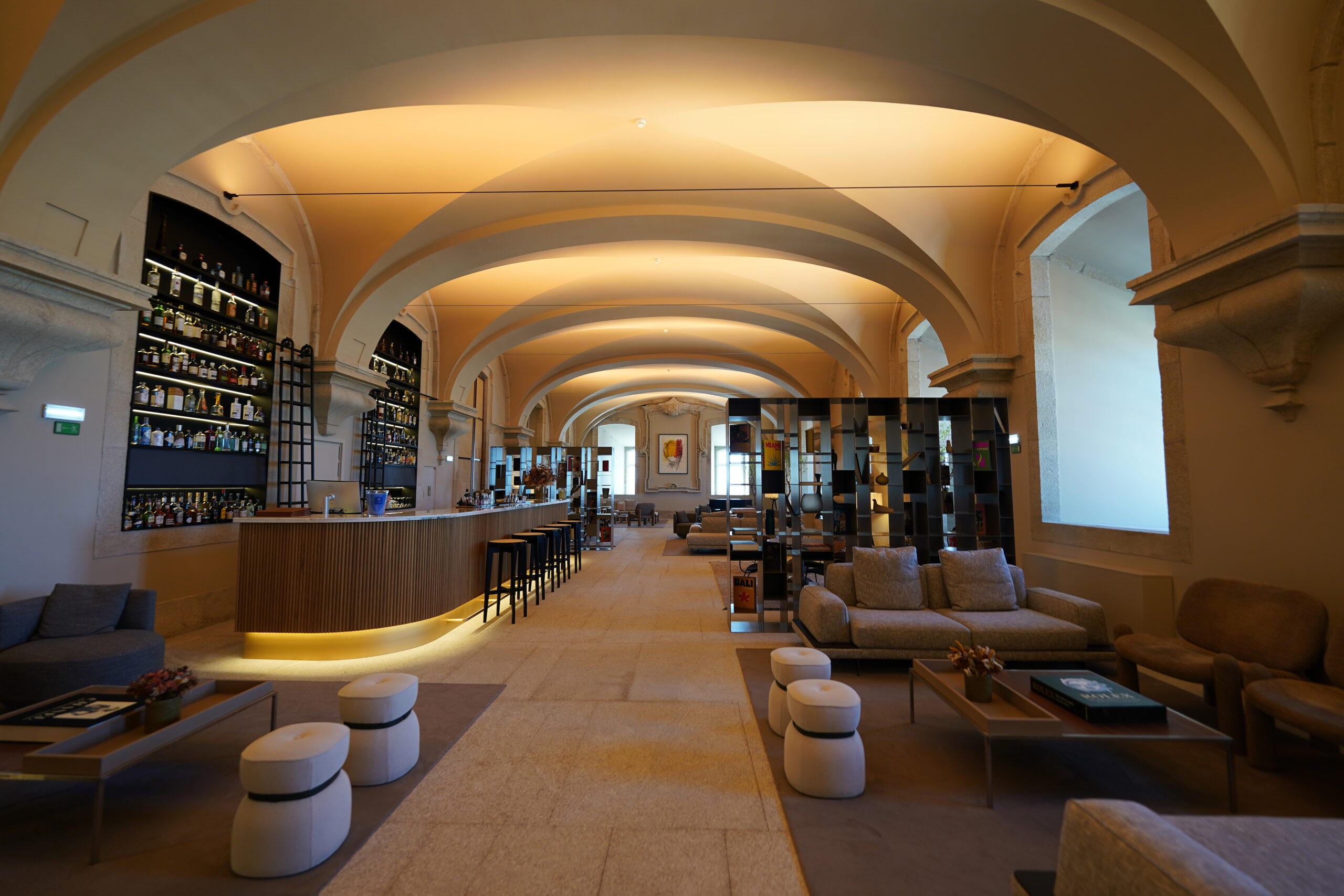
There is no sense of stepping into a museum, nor of staying in a building that has sacrificed its identity in pursuit of modern luxury. Instead, the past and present coexist with remarkable ease, allowing the character of the monastery to remain intact while embracing a new purpose.
In an age when travel often encourages us to move faster and see more, places like The Lince Santa Clara offer a quiet reminder that some destinations are best understood slowly.
Not because there is less to discover. But because there is far more worth noticing.
About the author


-
 Whispers of the Nile
 -
 Breaking the Cycle, The Two Paths to Change and the Psychology of Self-Esteem
 -
 Chedi Al Bait, Sharjah’s Chic Escape with a Cultural Twist
 -
 Along Dubai’s Canal: The Rings, Eywa and New Ideas of Home
 -
 On Leadership, Trust, and Making Space for Others to Lead




Leave a Reply