



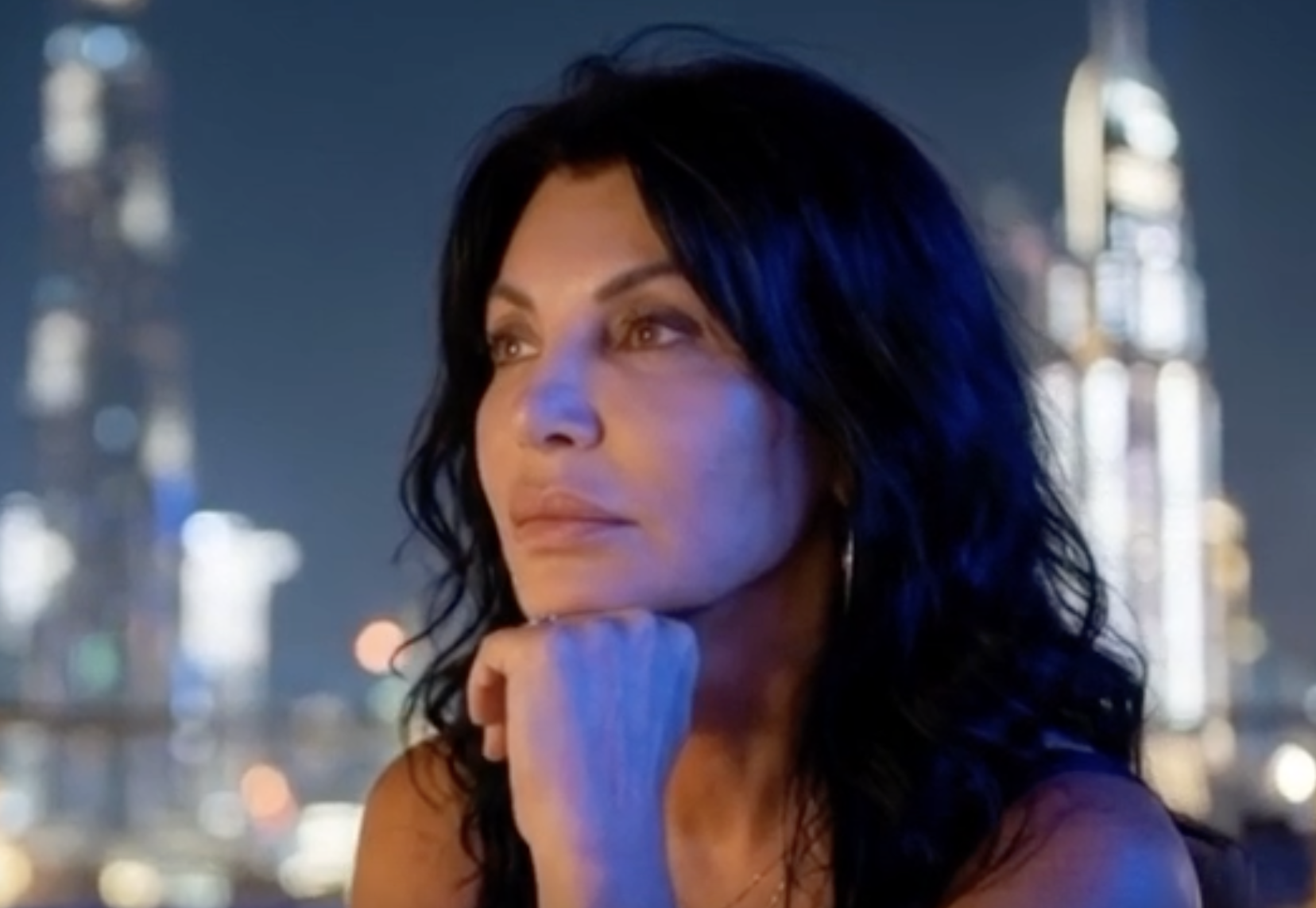
Paris. Milan. London. New York. For decades, these cities have led fashion’s grand parade—setting the tempo, launching dreams, and calling the world to their stage. But now, another city steps onto the runway—bold, unblinking, and ready for its close-up.
Once an outsider peering into fashion’s glittering halls, Dubai now strides confidently through its own doors—turning heads, breaking molds, and stitching another chapter into its ever-evolving story.
Beyond the Runway
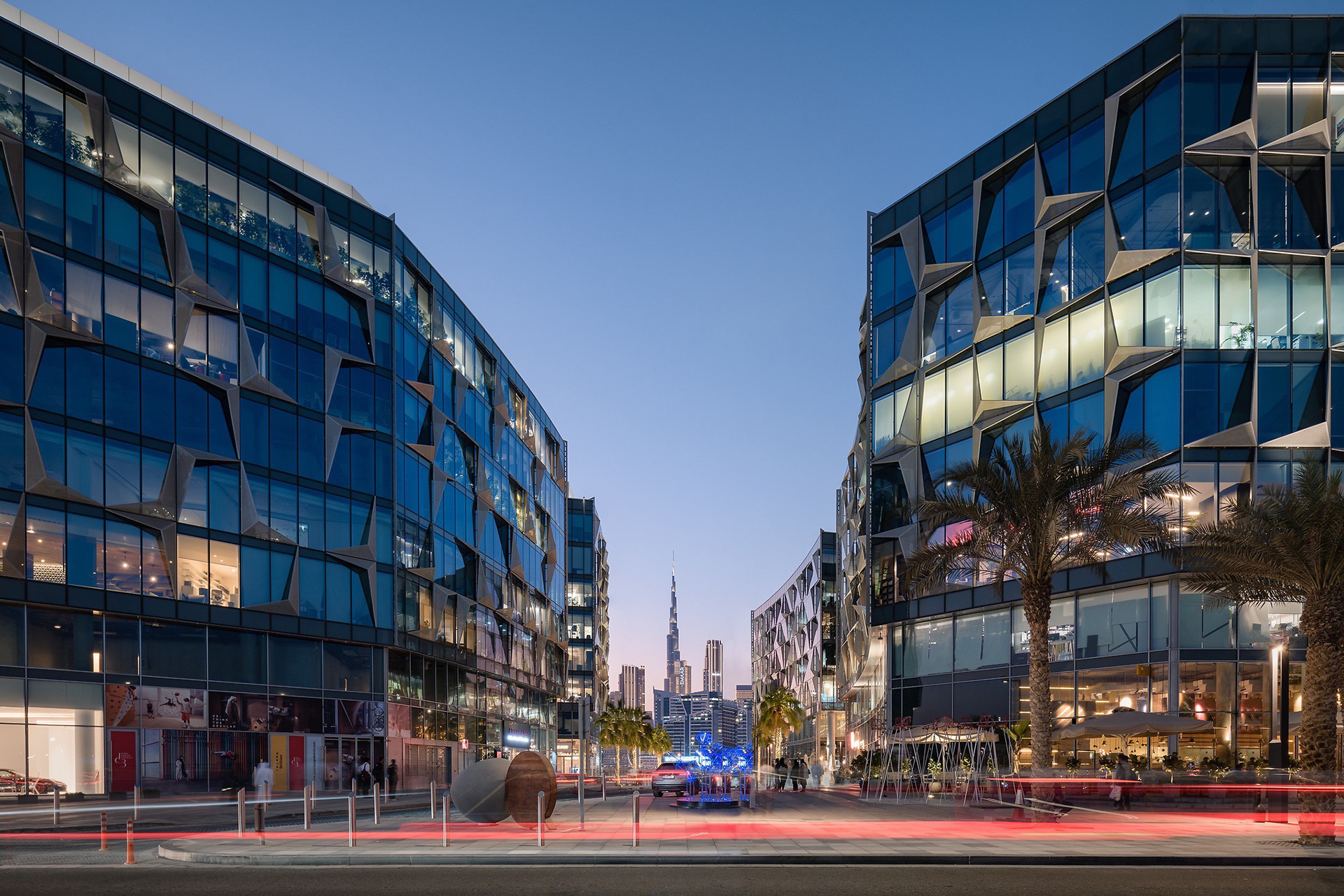
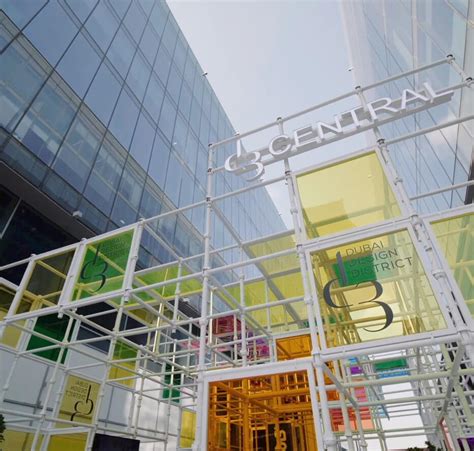
At the heart of this blooming creative ecosystem pulses Dubai Design District, or d3. Born in 2013 and unveiled to the world in 2015, this purpose-built district was imagined as fertile ground where design, fashion, architecture, and art could root and flourish together. A decade on, more than 1,100 creative ventures and 20,000 visionaries now call it home. These numbers sketch the outline of a city where fashion is no longer just a reflection in the mirror of luxury, but a canvas for original creation.
Stroll through d3 and you step into a world apart from Dubai’s glitzy beach resorts and soaring towers. Studios, showrooms, galleries, and boutiques mingle with open-air cafés and gathering spaces. Here, international icons brush shoulders with regional trailblazers and rising stars. The district pulses not as a shopping enclave, but as a living, breathing workshop of ideas.
Guiding this evolution is Khadija Al Bastaki, Senior Vice President of Dubai Design District. A driving force since 2015 and part of its senior leadership since 2019, Al Bastaki has helped shape d3’s place within the city’s creative economy and built bridges to the world beyond. Her vision was also key in launching Dubai Fashion Week, co-founded by d3 and the Arab Fashion Council in 2023. Her role is emblematic of Dubai’s greater ambition—not just to host fashion, but to cultivate an environment where designers and creative businesses can connect, grow, and thrive.
Dubai has long been a global marketplace for luxury. Yet today, its evolution is more compelling: from a destination where fashion is simply bought, to a creative arena where fashion is imagined, crafted, and debated.
A Meeting Point Between Worlds
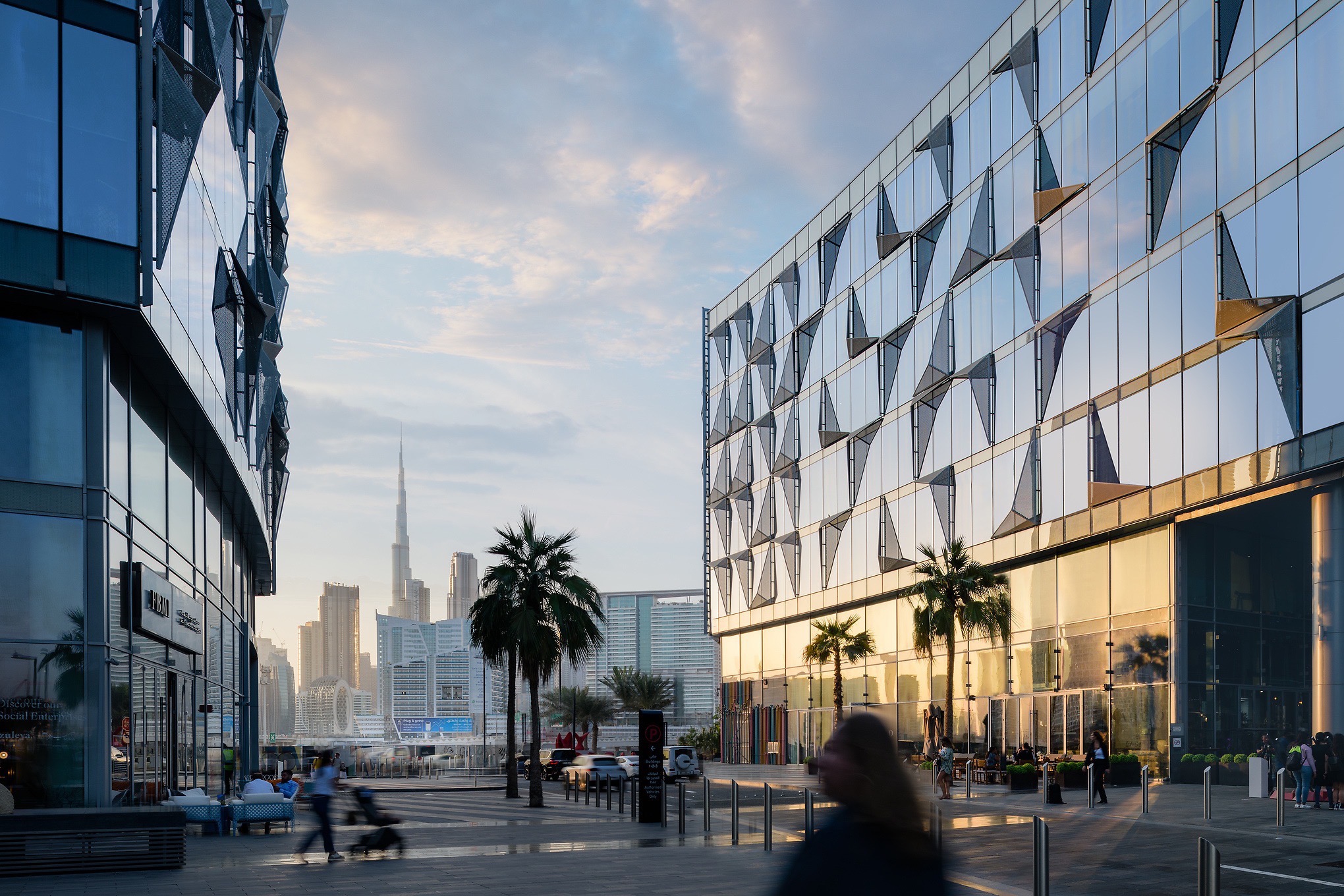
Geography has always been Dubai’s trump card, and the world of fashion is no exception. The city sits at a crossroads—bridging Europe, the Middle East, Africa, and Asia. Its tapestry of residents and visitors is woven from every corner of the globe, creating a relationship with luxury shaped by a mosaic of dress, craftsmanship, and self-expression.
This blend is increasingly visible on Dubai’s fashion stage. Dubai Fashion Week brings regional designers into the same conversation as established and emerging names from around the world. Recent editions have drawn designers and fashion houses from across the Middle East, Europe, India, Southeast Asia and beyond. And this cross-cultural character is more interesting than any attempt to reproduce the traditional fashion capitals.
Paris does not need another Paris. Nor does Milan need another Milan.
Dubai’s opportunity lies precisely in forging its own path: a place where an Emirati designer, an Indian couturier, a European fashion house, and a new label from Southeast Asia all find themselves speaking to an audience that stretches to every horizon.
There are signs that the relationship works both ways. d3 has been building formal connections with some of Europe’s established creative communities, including partnerships and knowledge-sharing initiatives in Milan. These exchanges are designed not only to bring international expertise to Dubai, but also to provide regional creative talent with greater visibility beyond the Middle East.
Fashion Week Comes to Dubai
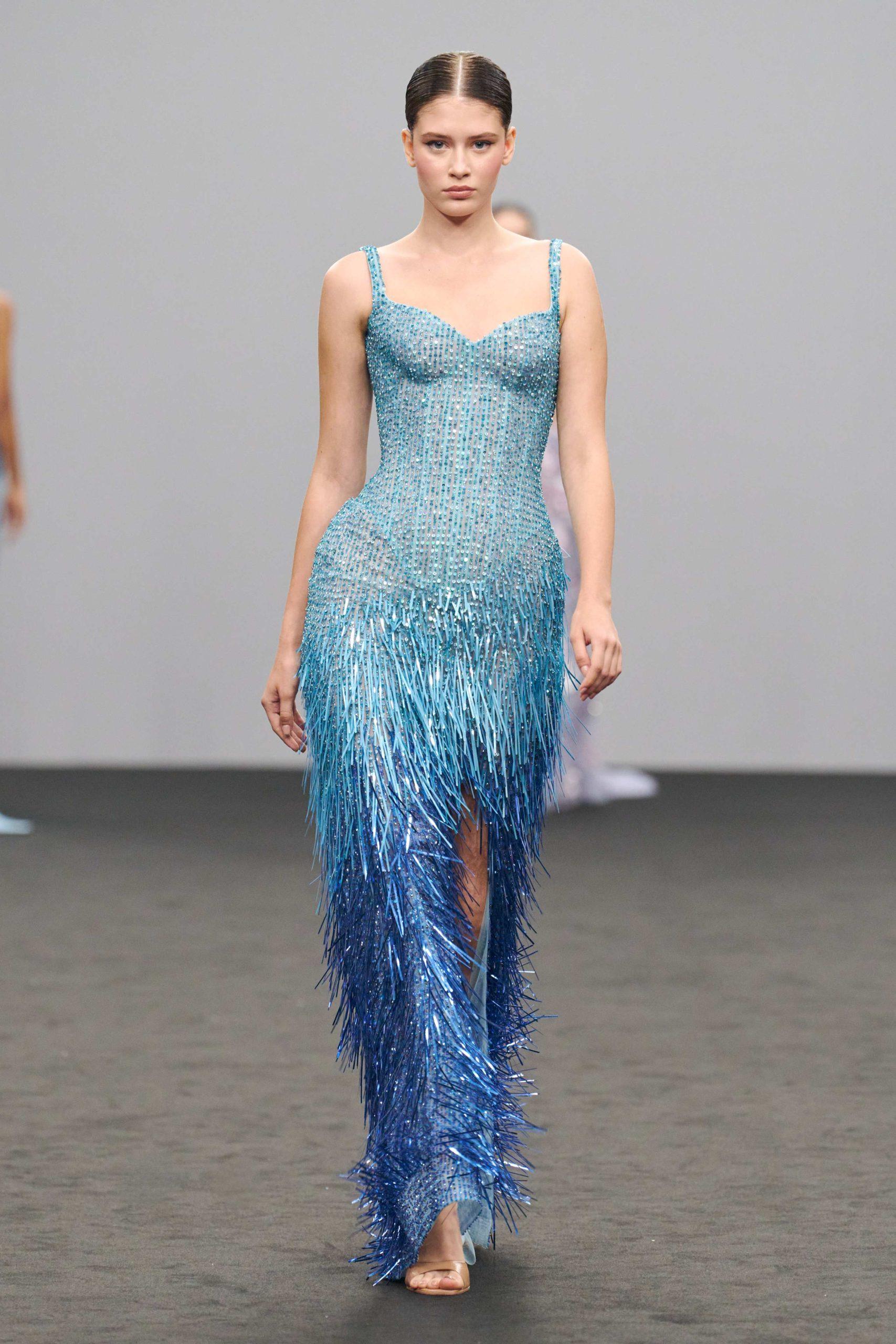
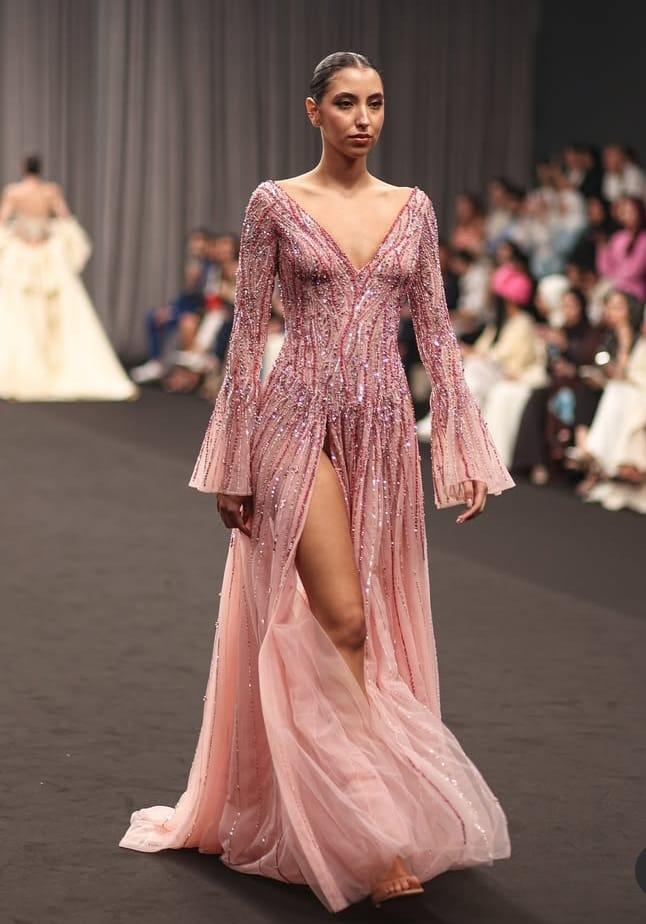
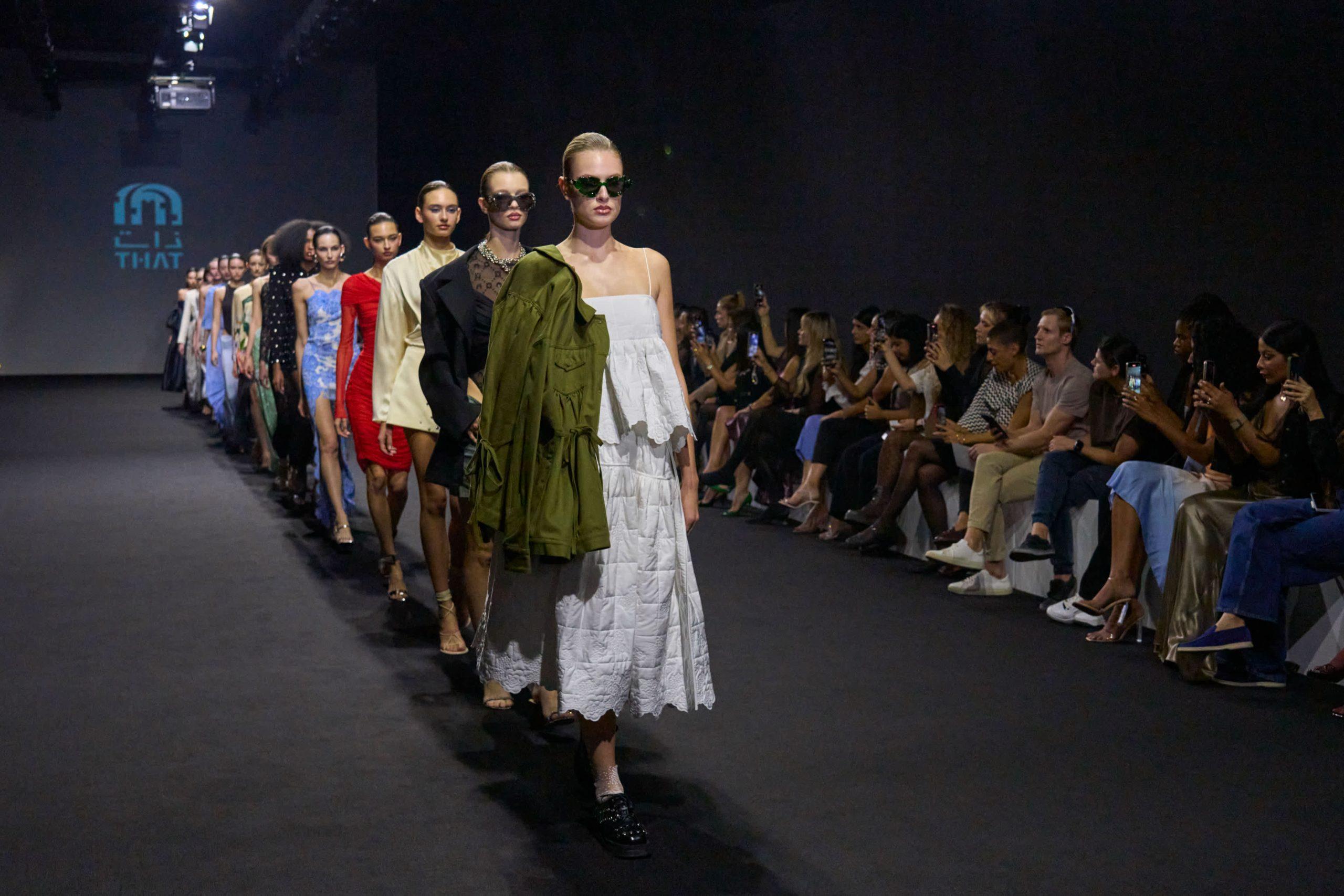
Dubai Fashion Week itself is relatively young. Launched in 2023 under its current name by Dubai Design District and the Arab Fashion Council, succeeding Arab Fashion Week, it is now the city’s official fashion week. It is recognized on the international calendar alongside New York, London, Milan and Paris. Its timing is significant.
The Spring/Summer 2027 edition will take place from 1 to 6 September 2026, placing Dubai at the beginning of the international fashion season. But a fashion week cannot establish a city as a fashion center simply by putting models on a runway.
The business behind the shows matters just as much. Dubai Fashion Week has increasingly developed that side of the equation. Its Buyers Program brings department stores, concept retailers and digital platforms from Europe, Asia and the Middle East into direct contact with designers. Around the runway program are private presentations, collection launches, industry discussions and events that extend beyond d3 into the city itself.
That commercial dimension may prove to be one of Dubai’s strongest cards. This is, after all, a city that knows how to connect. For decades, it has woven together people, capital, hospitality, aviation, retail, and international markets. Now, fashion is threading itself into that rich tapestry.
More Than Six Days
The true test of Dubai’s progress as a fashion city may come when the spotlights dim and the runways fall silent. A creative ecosystem cannot exist only during Fashion Week.
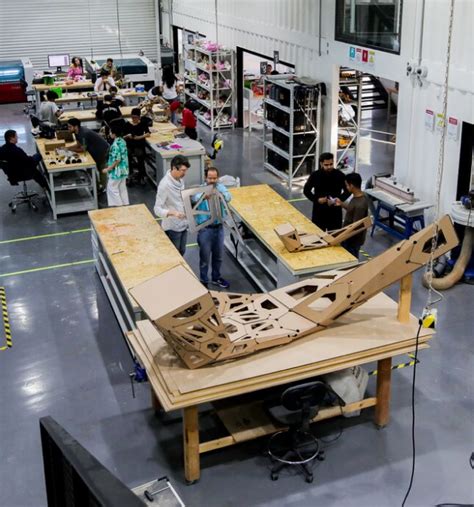
It needs designers working on an ordinary Tuesday morning. It needs studios and showrooms, schools and mentors, photographers and stylists, buyers and retailers, entrepreneurs and investors. Above all, it needs places where those people encounter one another. This is where d3 becomes more significant than the event it hosts.
The district continues to grow. A major expansion currently underway will add more than 500,000 square feet of office and retail space across six new buildings, alongside additional community facilities, with completion targeted for the first half of 2028. The investment suggests that Dubai’s creative ambitions are not being built around events alone.
There is an educational dimension too. d3 is home to institutions including the Dubai Institute of Design and Innovation, FAD and L'ÉCOLE School of Jewelry Arts, placing the next generation of designers within the same environment as established creative businesses and international brands. Fashion Week provides the cameras, the collections and the international attention. What happens between editions may ultimately matter more.
Finding Its Own Fashion Identity
Does all this make Dubai the world’s next fashion capital? That may be the wrong question. Paris, Milan, London and New York developed their identities over generations. Behind their fashion weeks lie institutions, schools, craftsmanship, manufacturing, publishing, retail and creative communities built over decades—in some cases centuries.
Dubai’s story is different.
What it has is youth, geography, connectivity and an unusual ability to bring cultures together. It sits at the center of a region whose influence on the global luxury industry continues to grow, while attracting creative talent from markets that have historically existed outside fashion’s traditional centers of power. The challenge now is to translate those advantages into something more enduring: designers who choose to build internationally relevant businesses here, a creative community that stays and grows, and perhaps, eventually, a fashion language that becomes recognizably Dubai’s own. There are still miles to go. Yet the foundations are set, the creative community is blossoming, and the runways are already waiting.
And for a city of many hats, fashion may prove to be one of its most interesting yet.





Leave a Reply