




The UAE makes a powerful first impression. We remember being awestruck the first time we saw its skyline—its scale, its ambition, and the way possibility seems to hang in the air. But if you want to know the UAE beyond its futuristic face, you need a different kind of attention—one that looks for stories beneath the surface.
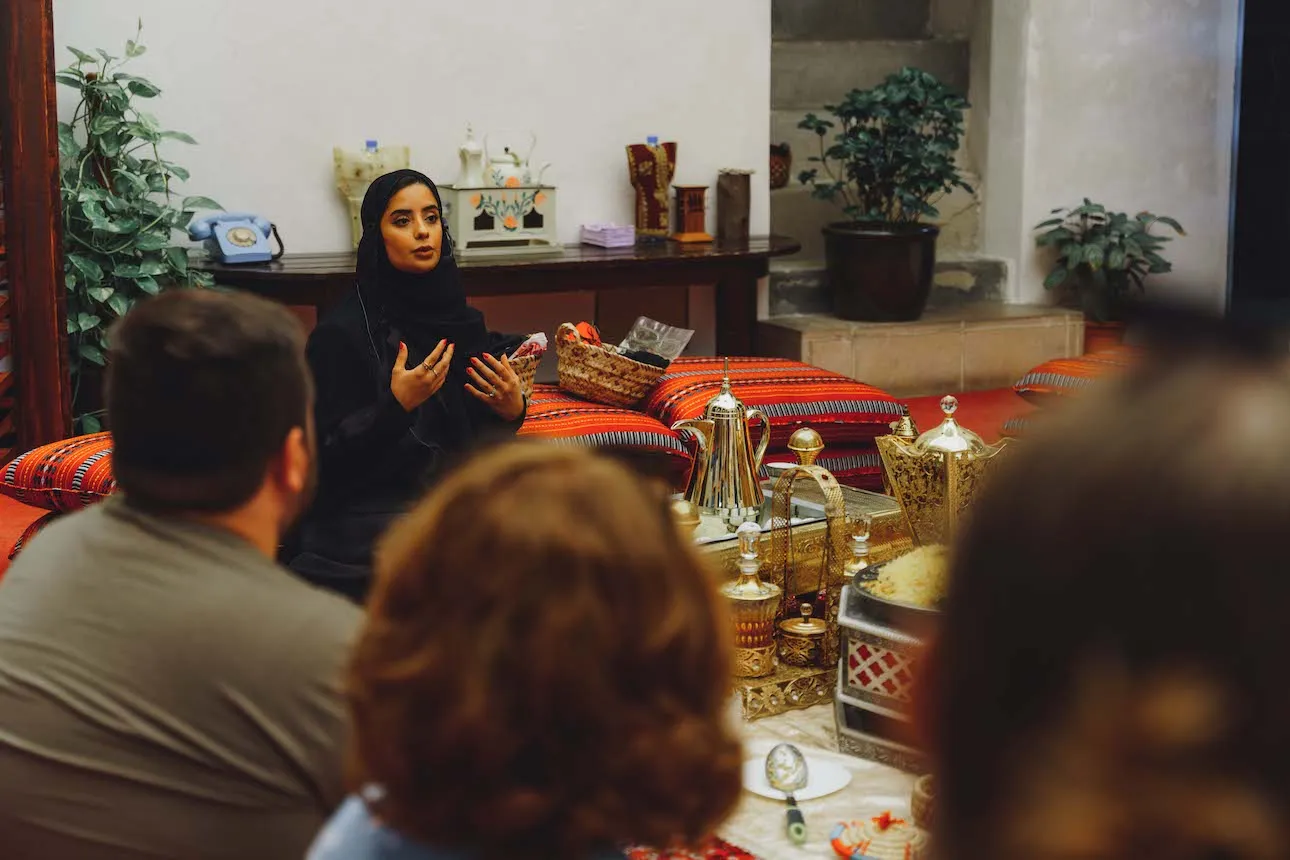
When we were invited to lunch at the Sheikh Mohammed bin Rashid Al Maktoum Centre for Cultural Understanding, it felt like an opening—not just a meal, but a chance to experience a side of Dubai that guidebooks rarely capture. Sitting together around the table, we noticed details, asked questions, and discovered meanings we might otherwise have missed.
I have long admired details: the immaculate white of a kandura, the care devoted to appearance, the fragrance that accompanies someone into a room. Such observations begin with the senses. They also invite questions. What lies behind these everyday expressions of identity? In Emirati culture, these details reflect deep values like respect, dignity, and consideration for others. Understanding their significance not only helps visitors appreciate the richness of local traditions but also prevents misunderstandings that can arise from overlooking what might seem small or ordinary. How much do we understand about the people whose country we visit—or come to call home?
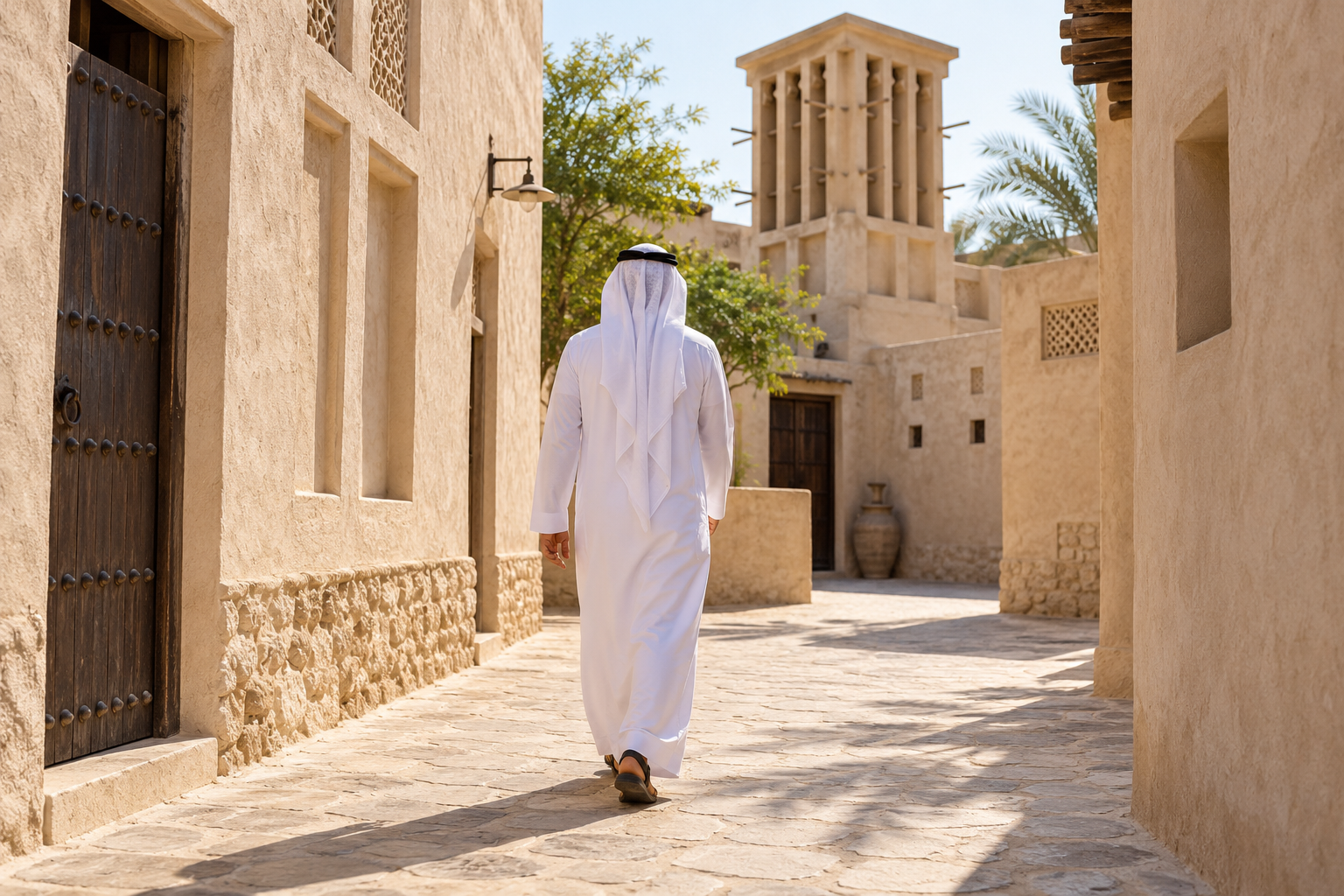
The Kandura, the Fragrance, the Care
Dubai is often described through the speed of its transformation. Yet alongside that movement, traditional dress remains part of contemporary life. The kandura worn by Emirati men, and the abaya and shayla worn by many Emirati women, belong to working days, family gatherings, and the ordinary rhythms of the city.
The kandura is a long robe, commonly white, while the abaya is a flowing outer garment and the shayla a scarf worn over the hair. These garments express a living tradition, worn as naturally in contemporary professional settings as among family and friends.
What always catches our attention is the care: the crispness of the white fabric, the composed appearance, the meticulous attention to detail. Many Emirati men own several kanduras and change them throughout the day, which is why their dress always appears so immaculate. Our own encounters shape these observations, but they also open onto something larger: the ways people carry their heritage into the present moment, blending tradition with daily life.
Fragrance has its own cultural history. Dubai Culture describes Emirati perfumery as knowledge handed down through practice, spoken instruction, and poetry. Behind a passing scent lies a tradition of making, wearing, and using perfume, with techniques and memories passed down through generations.
Even a detail of dress can connect to this tradition. The tassel found at the neckline of an Emirati kandura, known as a tarboosh, has traditionally been scented with perfume—bringing together clothing, fragrance, and personal presentation. Seen this way, tradition becomes something encountered throughout the modern city. People living within it wear it, practice it, and adapt it.
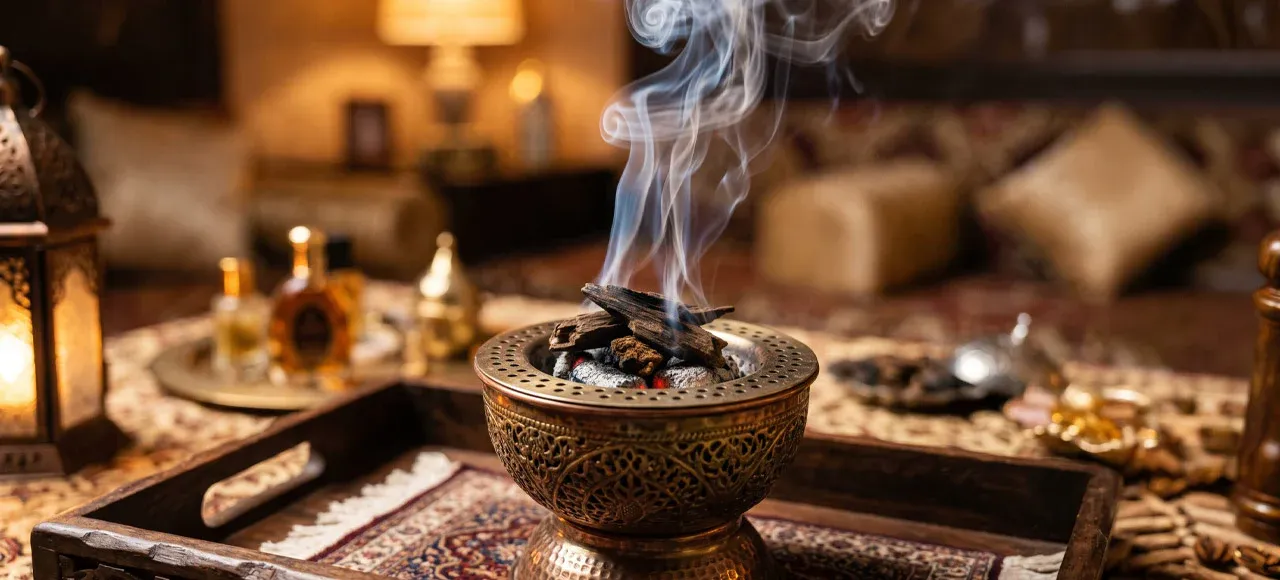
Bakhoor: The Scent of Welcome
A welcome can begin before a word is spoken—with fragrance drifting through a room. Bakhoor, also spelled bakhour, refers to aromatic incense, often made from wood chips blended with fragrant oils, resins and other ingredients. Traditionally heated over charcoal in an incense burner known as a mabkhara, it releases smoke that perfumes the surrounding space. In Emirati homes, its uses include preparing for guests, marking special occasions and scenting clothing. That connection between fragrance and fabric adds another dimension to the care we notice in personal appearance. Garments can be perfumed with the rising smoke, allowing the scent to linger as their wearer moves through the day.
Alongside coffee and conversation, bakhoor brings a sensory dimension to hospitality. For a visitor, its fragrance may become part of the memory of an encounter: the room, the people, and the feeling of being received with care.
An invitation to ask—because we have, too
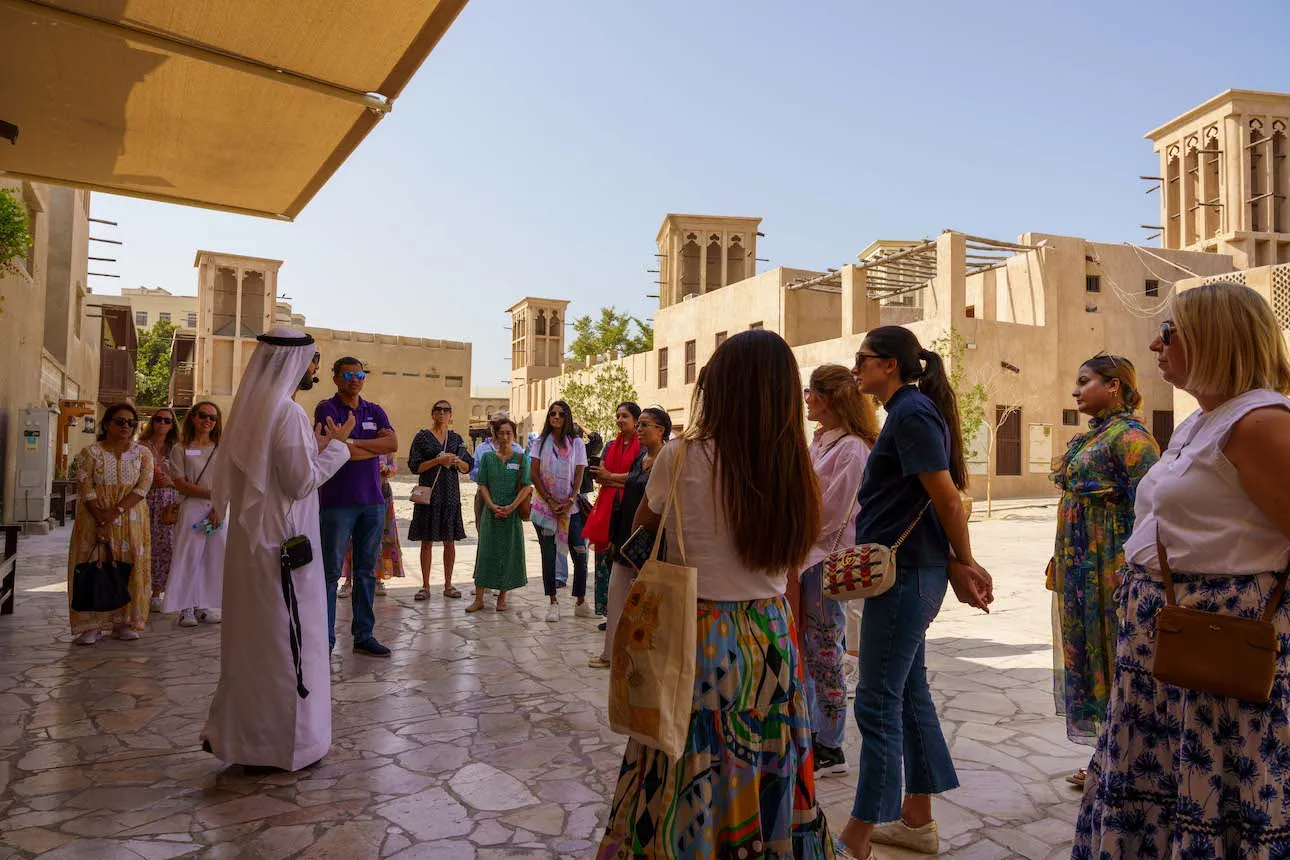
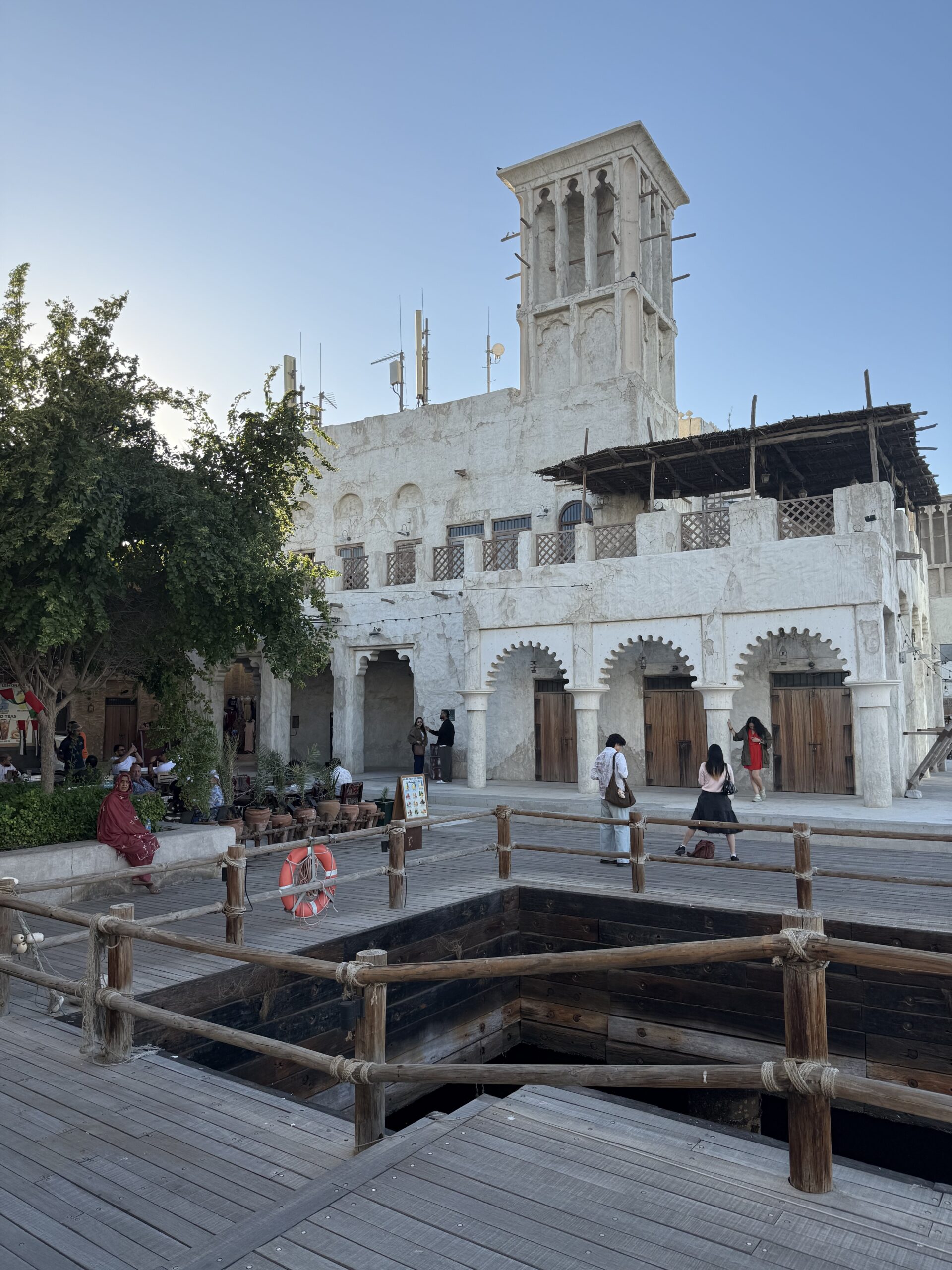
Founded in 1998 and located in the Al Fahidi Historical Neighborhood, the Sheikh Mohammed bin Rashid Al Maktoum Centre for Cultural Understanding—SMCCU—offers visitors and residents opportunities to learn about Emirati life through encounters with local hosts. Its philosophy is expressed in its own tagline: “Open Doors. Open Minds.”
Those words have an appealing reciprocity. Opening a door offers access; opening a mind asks something of the person entering. For travelers, curiosity may begin with clothing, food, faith, or family life. For expatriates, the questions can be more immediate: how to greet a colleague, accept an invitation, or recognize a gesture of respect.
Living in a place doesn’t guarantee you’ll understand it. Some of us have called Dubai home for years, navigating its roads and routines, yet still feeling like outsiders when it comes to local customs. That’s why shared meals like the one we experienced matter—they start to close that distance, one conversation at a time.
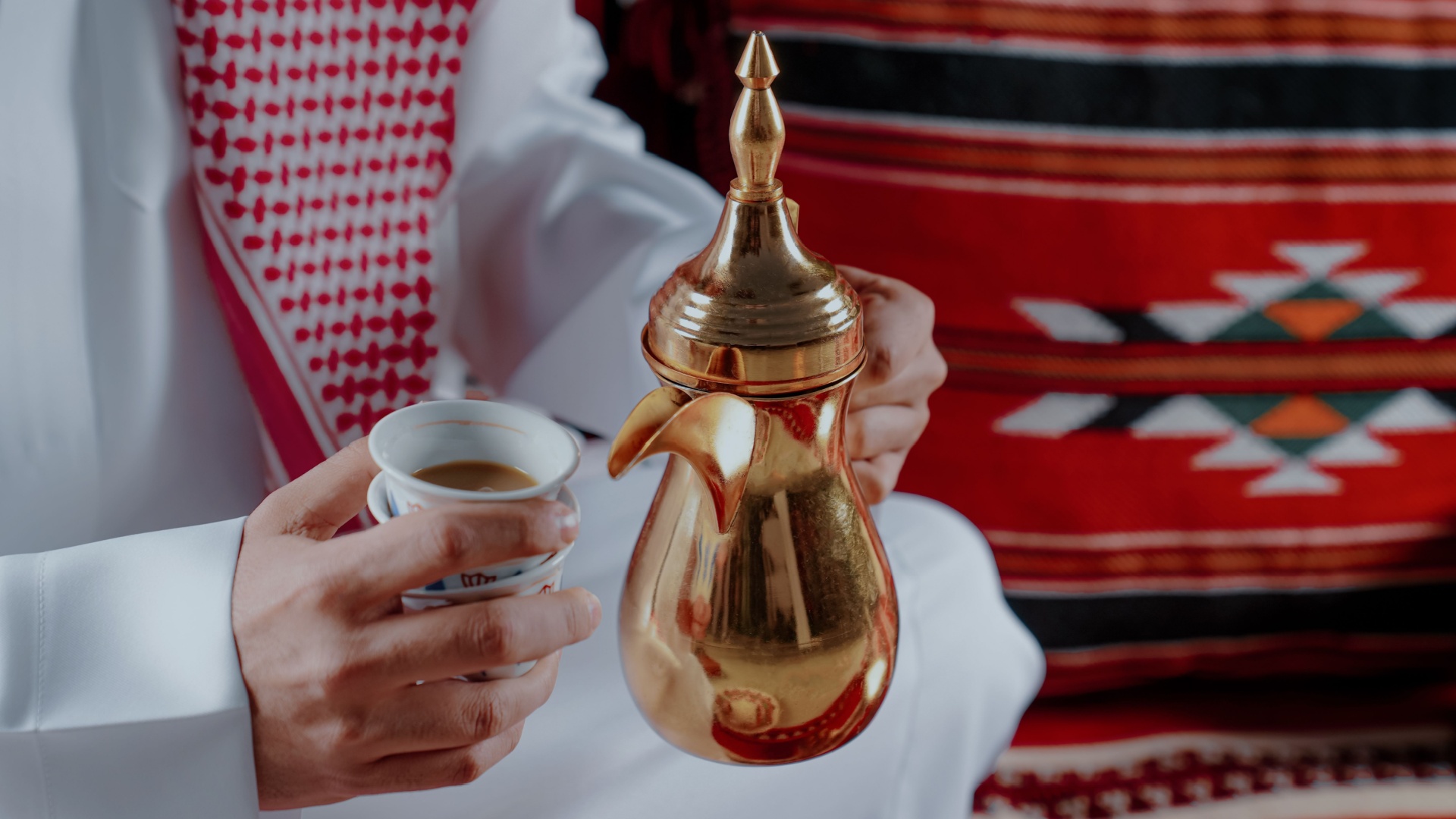
Gahwa: The Quiet Language of Welcome
Hospitality becomes more revealing when we notice the details. In an interview with The National, Emirati etiquette expert Fatima Al Mughani describes coffee service as an act of attentiveness: it is served hot, in small quantities, with elders given precedence and the server avoiding interruptions. Guests receive and return the cup with their right hand; a gentle shake indicates that no refill is wanted.
These movements allow host and guest to communicate almost without words. A cup is offered, a preference understood, a conversation allowed to continue. Arabic coffee, or gahwa, occupies an important place in the welcome extended to guests. UNESCO recognizes the tradition as an expression of generosity—a reminder that what is offered can mean more than what is served.
For a visitor, learning even one small gesture can make an unfamiliar encounter more comfortable. It becomes possible to participate with a little more understanding.
A guest’s comfort
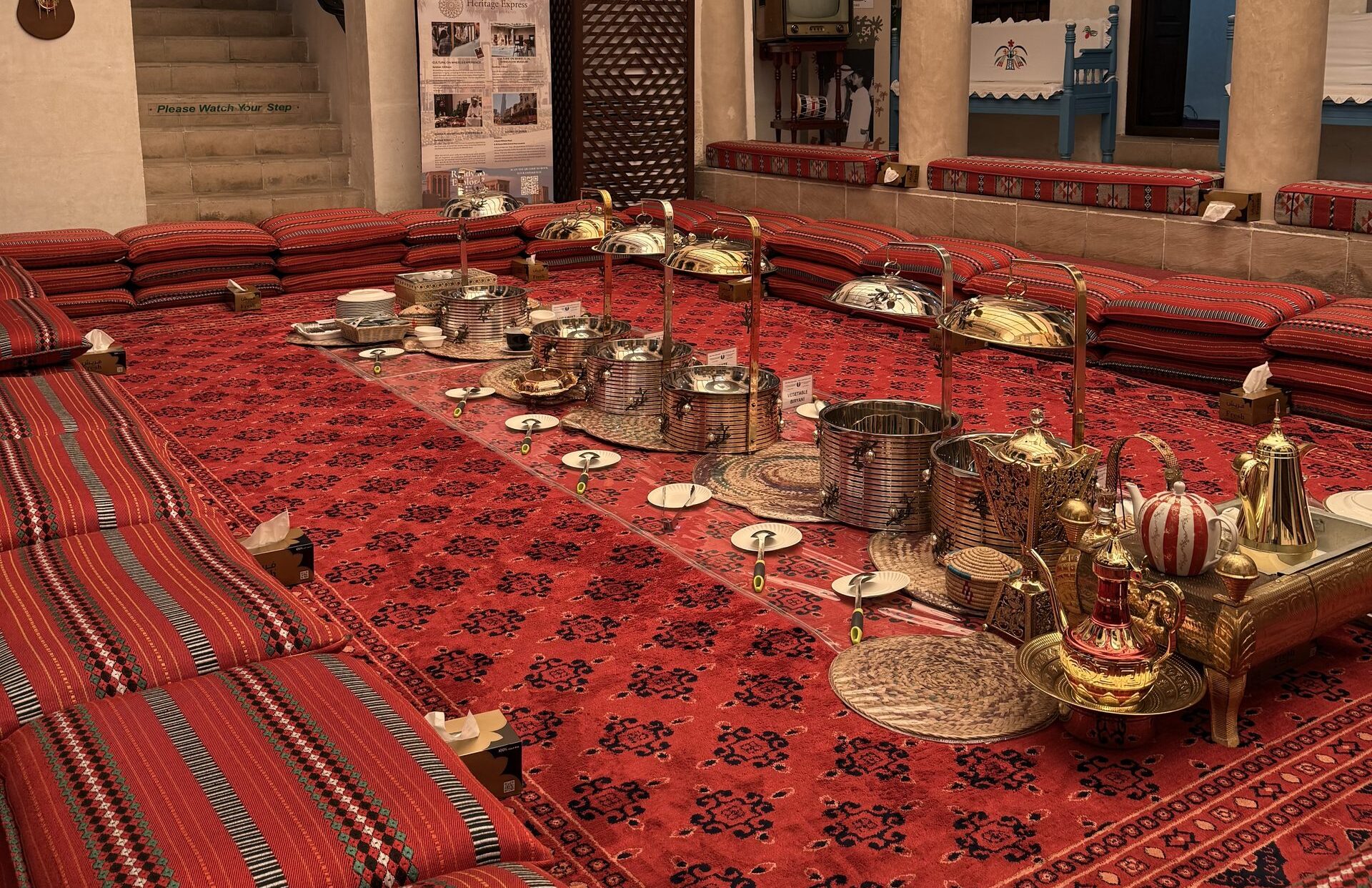
The responsibility of welcoming someone also extends to the meal. Al Mughani describes a traditional courtesy in which hosts let guests begin eating first and stay until they finish. Appreciation is reciprocal: guests acknowledge the hospitality when they leave. The thought behind these customs travels easily across cultures. Receiving someone well means making room for their comfort, pace, and presence.
It is a thought worth carrying into our own lives. How often do we give another person our undivided attention? How much of our welcome survives the phone beside the plate, the next appointment or the impulse to hurry a conversation along?
Perhaps one of travel’s most valuable gifts is bringing familiar ideas back into focus. Hospitality is a word used constantly in the travel industry. Encountering the customs surrounding a guest’s welcome invites us to consider what it means in practice.
The meaning of a greeting
The same attention matters before anyone sits down. A handshake may feel automatic to some visitors, but physical greetings between men and women depend on personal and religious preferences. A man meeting an Emirati woman should wait for her to offer her hand; a woman meeting an Emirati man should likewise let him indicate whether he welcomes a handshake. A smile and a verbal greeting are appropriate when no one extends a hand.
Common greetings also include saying “As-salamu alaykum,” which means “peace be upon you.” Visitors can also use this greeting, with the reply “Wa alaykum as-salam” meaning “and upon you be peace.” These verbal greetings offer respectful options when no physical gesture is exchanged.
Understanding this can prevent a simple misunderstanding. The absence of physical contact need not mean a lack of warmth. Visitors may also see nose-to-nose greetings among Emirati men, or a kiss on an elder’s head as a sign of respect. These gestures belong to relationships and contexts that newcomers can observe without feeling obliged to reproduce them. For an expatriate, this is a useful starting point: allow people to show how they prefer to be greeted. Respond warmly, and leave room for individual differences.
Learning to read the room
The majlis places particular significance on sitting together. UNESCO describes it as a social and cultural space where people receive guests, exchange news and discuss community matters. It is a setting in which conversation helps sustain relationships and shared knowledge.
For someone unfamiliar with a traditional gathering, practical questions naturally arise. Should shoes be removed? Whom should we greet first? Where should we sit?
In the customs Al Mughani outlines, visitors remove their shoes before entering a home, elders receive precedence, and sitting with one knee over the other may convey arrogance in a traditional majlis. Modest dress matters: clothing that covers the shoulders and knees is a considerate choice for cultural visits. Let your hosts guide sensitive conversations, and approach unfamiliar subjects with respectful curiosity. These small acts of awareness help guests show respect for both place and people.
Households and circumstances differ. Following the host’s lead and asking politely when uncertain helps guests navigate those differences.
Professional encounters also have their social dimension. UAE government guidance advises guests sharing a meal with a host to receive refreshments before moving on to business. It also recommends standing to acknowledge older or higher-ranking guests and using the right hand when accepting food and drink.
For those accustomed to beginning immediately with an agenda, allowing time for the welcome can be a useful adjustment. The conversation begins with the people present.
Different ways into Dubai
Our lunch was just one of many introductions SMCCU offers—cultural meals, heritage tours, visits to the Jumeirah Mosque. Our visit showed us how a shared experience can invite questions and spark understanding, whether you’re new to Dubai or have lived here for years. Programs for schools, businesses, and private groups offer further ways to connect. The SMCCU website provides information about the experiences and how to arrange a visit.
The center’s group activities also bring cultural discovery into shared tasks: exploring Old Dubai through a cultural quest, practicing negotiation in a souk challenge, or learning Arabic calligraphy. These can be combined with cultural meals and tours, giving colleagues and other groups ways to discover the city together. SMCCU Team Building Activities
For visitors, such experiences can add context to an itinerary. For residents, they offer an occasion to ask questions that daily life may leave unspoken.
The value lies partly in having someone with whom to explore those questions. A historic neighborhood becomes more meaningful when connected to the lives within it. An unfamiliar custom becomes easier to understand when there is space to discuss it.
Beyond the skylines
Our visit prompted me to think more closely about the relationship between the Dubai that draws the world’s attention and the traditions expressed in everyday life. The care in appearance. The fragrance. The greeting that follows its own etiquette. The attention given to receiving a guest. These are details that reward curiosity.
What might visitors from other cultures learn from them? Perhaps to be more attentive to how we welcome people, more patient with unfamiliar customs, and more willing to ask before assuming we understand. Dubai’s future will continue to command attention. Sitting down together gives us time to discover the people carrying its traditions forward.
If you are curious to experience Emirati culture firsthand, explore the cultural meals, heritage tours, mosque visits, and group programs offered by the Sheikh Mohammed bin Rashid Al Maktoum Centre for Cultural Understanding. Sharing time with local hosts offers an inviting introduction to Dubai’s customs, stories, and daily life.
About the author


-
 Dubai, from Desert Sands to a global Dream
-
 Qasr Al Sarab Desert Resort by Anantara, A Realm in the Sands
-
 Oman Refined. A Considered Guide for the Thoughtful Traveler
-
 New York is Always a Good Idea
-
 Breaking the Cycle, The Two Paths to Change and the Psychology of Self-Esteem









Leave a Reply