



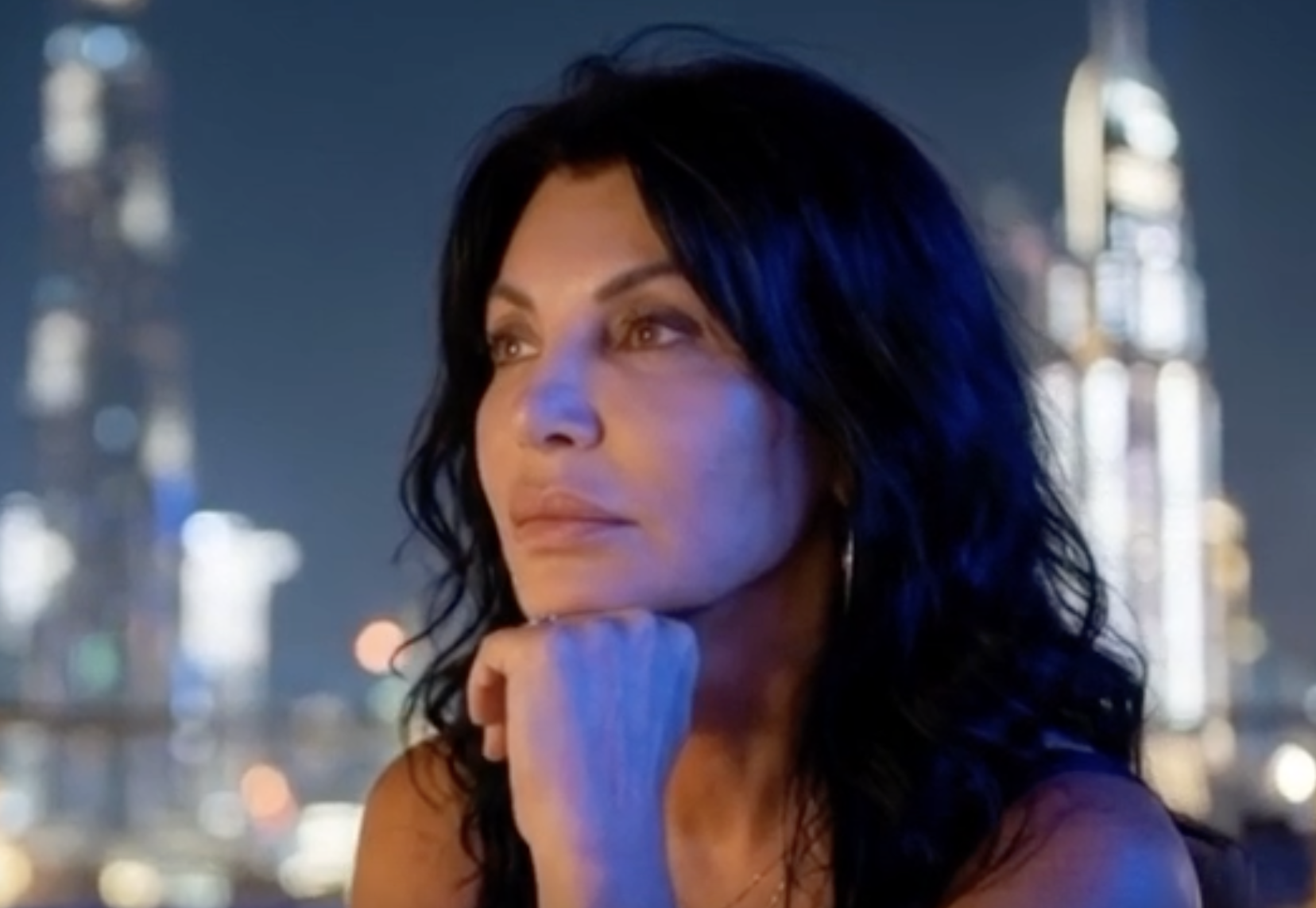
Some of my best discoveries in Dubai begin on foot. Walking offers a different perspective on the city. You notice how buildings relate to the water, how neighborhoods take shape, and how new projects become part of everyday life.
I have always been drawn to distinctive real estate—to projects with a recognizable point of view and bold ideas shaping the industry’s future. Dubai’s real estate landscape continually captures my imagination through its creativity and remarkable concepts. I’m drawn to the ambition behind these developments—how architecture, design and new approaches to living come together to shape both the city’s identity and its future.
During one of my long walks along the Dubai Water Canal Boardwalk, two developments caught my attention: The Rings by PMR, nestled on the quiet Jumeirah stretch near the iconic Twisted Bridge, and Eywa Tree of Life, rising along the vibrant Marasi Drive lagoon in Business Bay. My curiosity led me to explore the people and thinking behind them, bringing me back to a question that connects lifestyle, hospitality and residential design: what makes a place meaningful to the people who spend time there?
The vision behind The Rings
Behind PMR is founder and chairman Paulin Tomov. According to the company, his development experience in Europe dates to 2008, preceding his Dubai venture in November 2021. PMR puts the combined estimated value of his European projects at more than $1 billion.
That background provides context, but it is the direction of his Dubai venture that interests me most. PMR’s stated ambition brings architecture and art together in residential development, with Foster + Partners and Emirati artist Mattar Bin Lahej among its collaborators.
Choosing those collaborators establishes an ambitious brief. It also invites questions about the founder’s own priorities: what did he want to bring from his European experience, and what did Dubai allow him to imagine differently? The Rings offers a starting point for understanding the approach he has chosen.
A more private way to live by the water
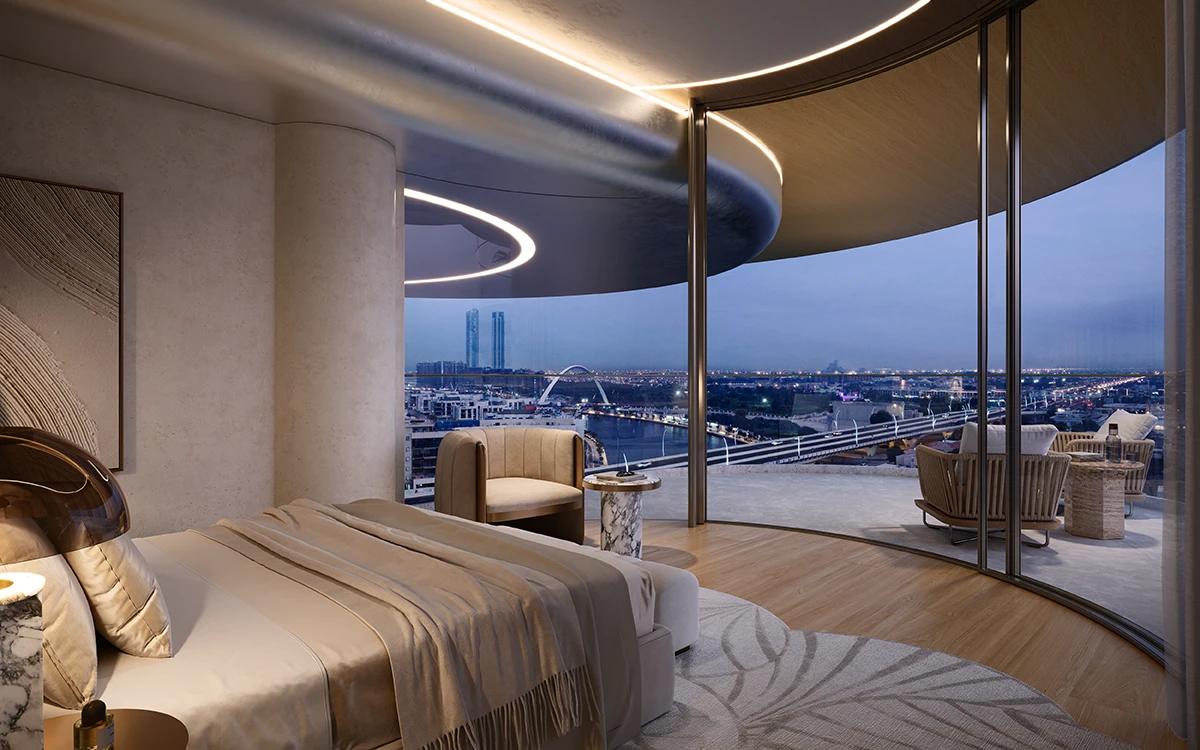
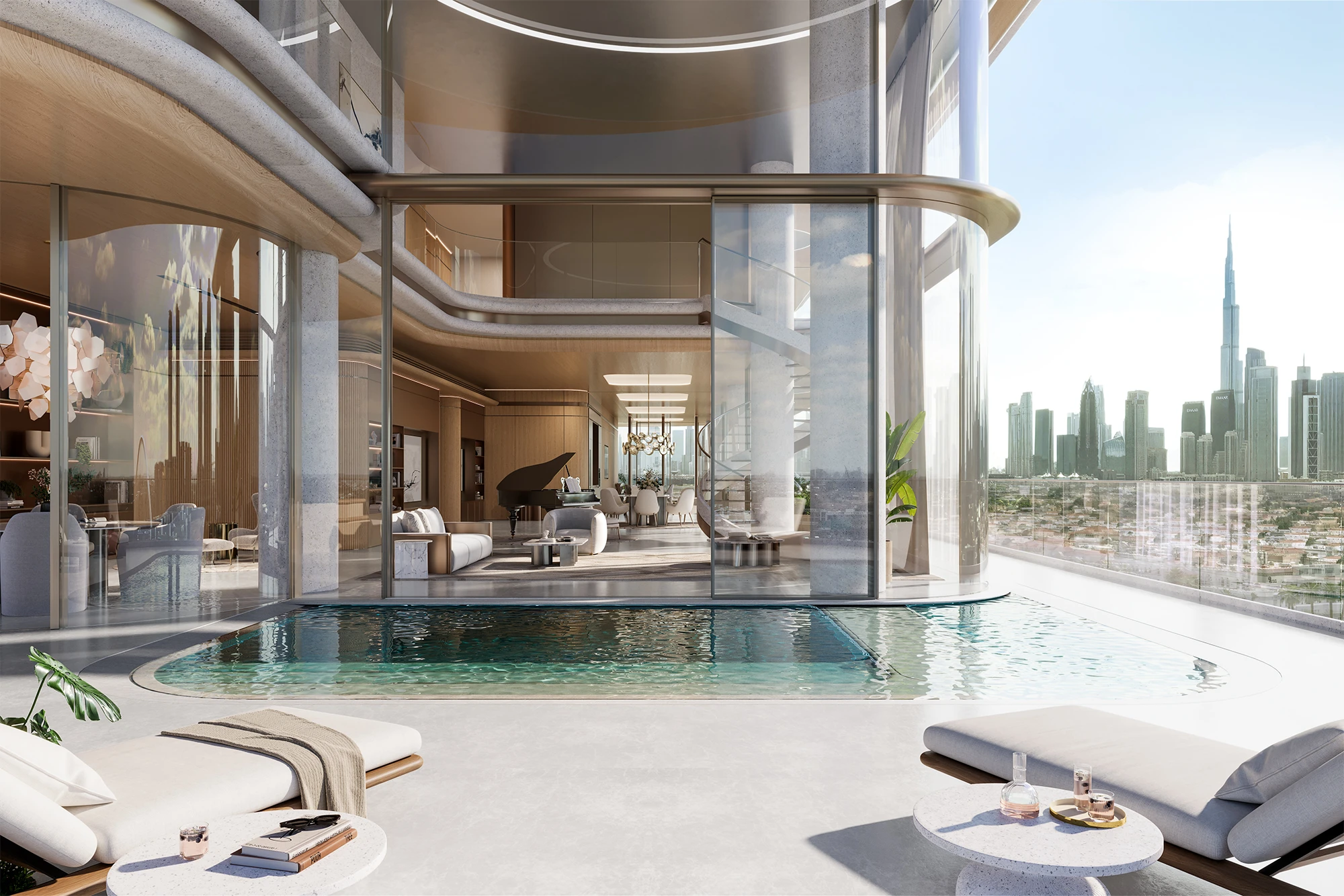
The Rings is planned as two separate buildings on the Dubai Water Canal, each containing six residences. PMR identifies Foster + Partners as the architectural practice behind the project. The small number of homes is central to its proposition. The advertised layouts incorporate private pools, gyms, cinemas, elevators and garden terraces, alongside air-conditioned private garages. Concierge, chauffeur and housekeeping services are also included in the developer’s description.
Taken together, these provisions suggest an attempt to combine the independence of a substantial private home with the convenience associated with serviced residential living. From my perspective in hospitality, this is the most interesting aspect of the concept. Service can influence how a home feels as much as its architecture. The ease of arriving, the ability to entertain privately and the practical support available day to day all contribute to the experience of living somewhere.
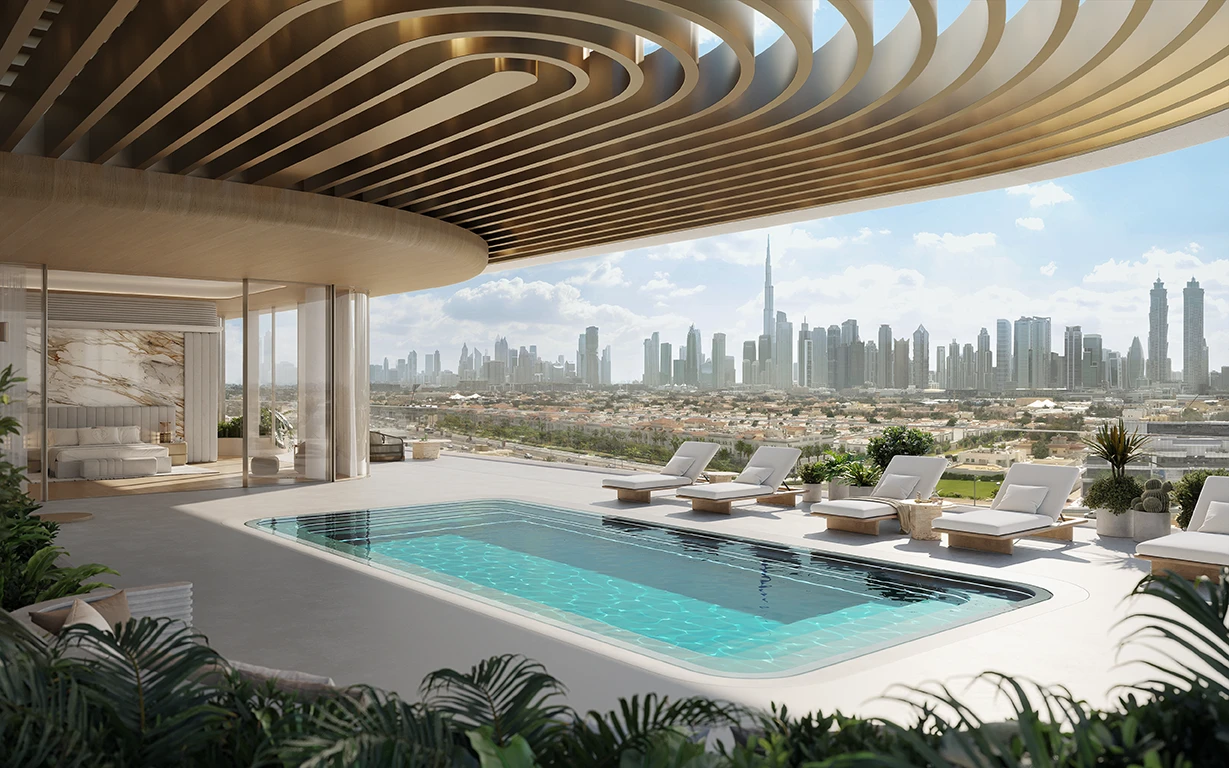
A brochure can describe that promise. Its real value will ultimately depend on how comfortably and consistently it works for the people who live there.
Architecture, art and the interior experience
PMR also names Mattar Bin Lahej, known for his contribution to the Museum of the Future’s facade, as an artistic collaborator. His involvement introduces an Emirati creative voice into a project with an international design team. For me, this raises a worthwhile question: how can a new residential development express a connection to its setting? An artist’s contribution can offer one response, particularly when it becomes part of the architectural experience.
Inside the residences, the published specifications identify antoniolupi bathrooms, Poliform kitchens and wardrobes, and Gaggenau appliances, sourced through Obegi Home. Italian design is part of this selection, while Gaggenau brings German appliance engineering. The names provide an indication of the intended specification. What I would want to explore in person is how those elements work together: the proportions of a room, the quality of its light, the relationship between interior space and terrace, and the choices that make a large residence feel personal.
Beyond the headline
The project has attracted attention for its pricing as well as its design. In a partner-content article published on February 18, 2025, Khaleej Times reported that an AED 116 million sky-mansion transaction at The Rings had been registered with the Dubai Land Department.
It is a striking figure, although it tells only one part of the story. What interests me is the residential idea behind it: a limited collection of homes bringing together privacy, architectural authorship, art and service. I see The Rings as an opportunity to examine how these priorities are being interpreted at the upper end of Dubai’s property market.
Eywa Tree of Life: wellbeing as a residential idea
Located on the bustling, modern Marasi Drive side of Business Bay, where the canal widens into a dramatic lagoon overlooking Downtown and the Burj Khalifa, Eywa Tree of Life introduces a completely different emphasis to the waterfront. Its developer, R.Evolution, places wellbeing, sustainability and longevity at the center of its approach to residential development.
The project’s official website describes 52 residences, including two penthouses, and a substantial collection of shared amenities organized around wellbeing. The Tree of Life name gives the development a nature-led identity. Its wider philosophy also draws on Vastu Shastra, the traditional Indian architectural system, alongside contemporary technology.
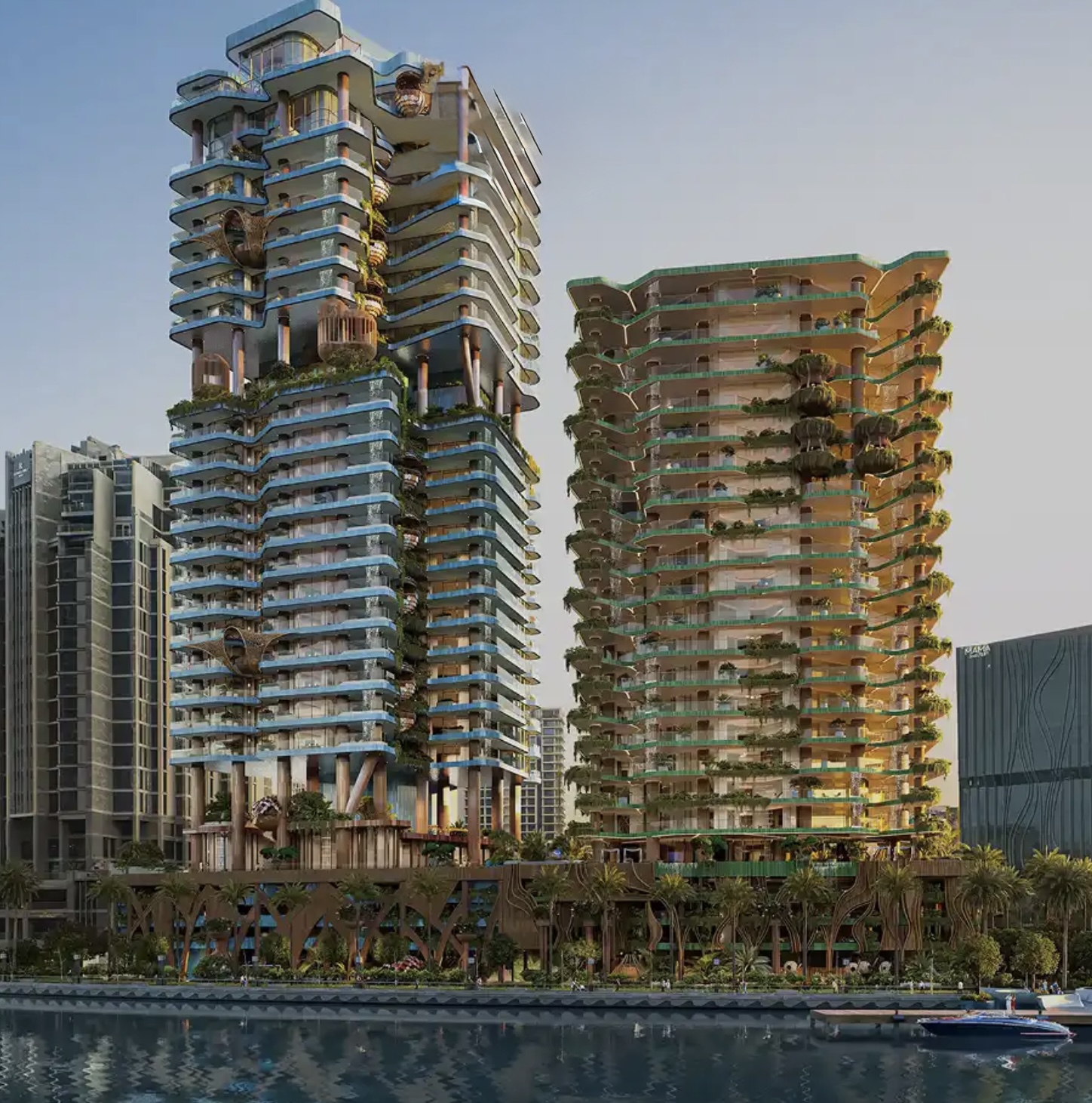
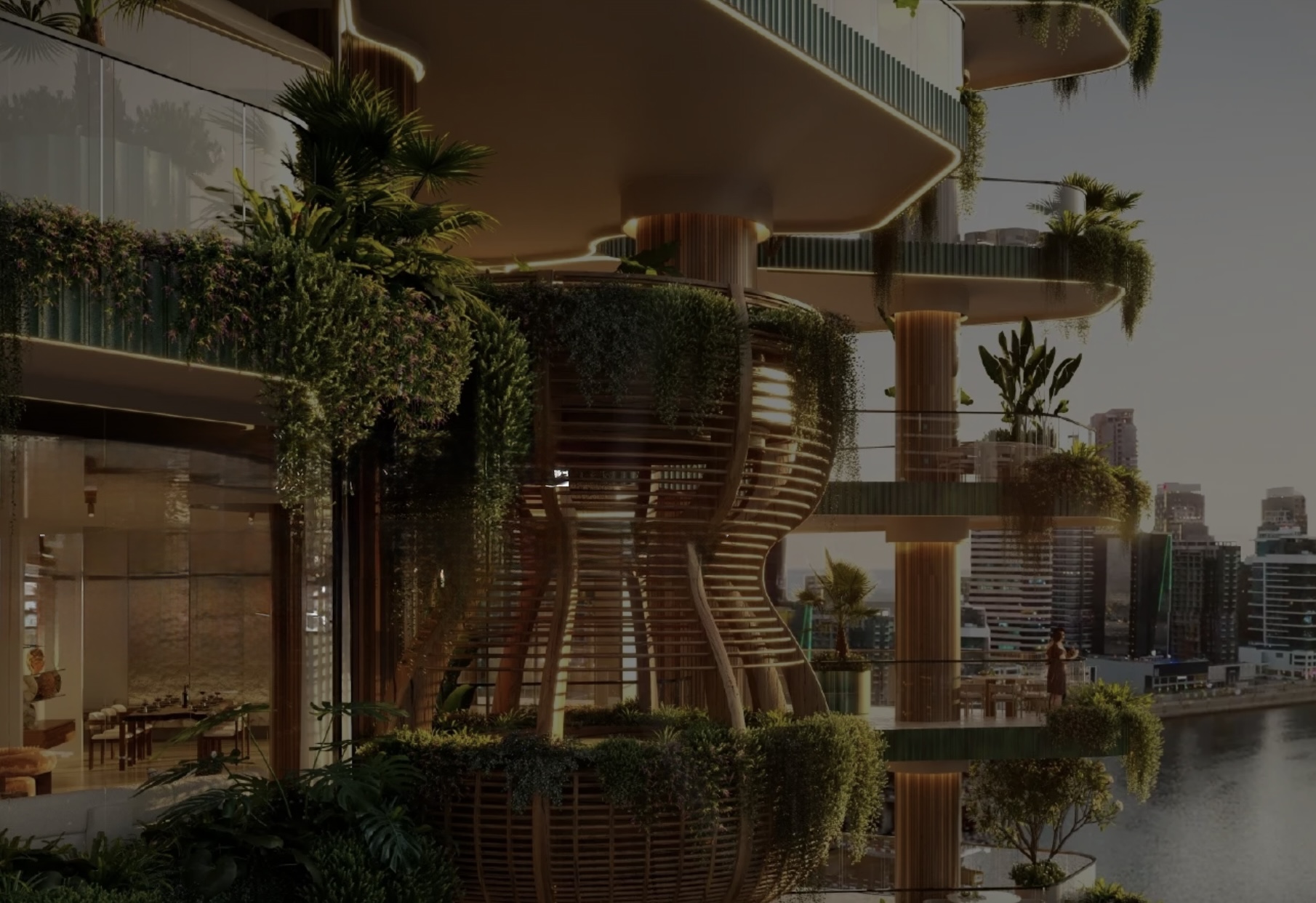
What interests me is the place wellbeing occupies in that vision. It is part of how the project presents the home itself, raising questions about the influence of our surroundings on everyday routines, comfort and our sense of connection.
As someone who values a healthy lifestyle, I find that conversation relevant. I would want to explore how the philosophy translates into tangible choices: spaces for movement and rest, access to greenery, and the balance between private retreat and shared life.
Those details are where an ambitious concept can become something residents experience day to day.
European roots, different perspectives
R.Evolution describes European roots dating to 1999 and studios in Barcelona, Berlin, Riga and Dubai. Its founder and CEO is Alex Zagrebelny. That creates a connection with Tomov’s European development background, although the projects communicate distinct priorities.
At The Rings, the emphasis is on a small collection of residences, architectural authorship, art and private facilities. At Eywa Tree of Life, the developer’s narrative centers on wellbeing, nature and the relationship between people and their living environment.
I find both worth exploring. They invite a conversation about how luxury is defined through daily experience: the freedom to live privately, the support of thoughtful service, or the desire for a home that reflects personal values and routines.
Seeing the city through its homes
Two developments cannot tell the whole story of Dubai’s property landscape. They do, however, offer interesting examples of the creative ambition that keeps drawing my attention as I walk through the city.
For me, the appeal lies in discovering the ideas behind the buildings and the people prepared to pursue them. Architecture changes a skyline, but residential design also shapes quieter moments—arriving home, spending time with family, finding a place to rest.
My city walks have become a way of following both: the visible transformation of Dubai and the evolving ideas of home taking shape beside the water.
For further details on this development, we invite you to enquire.








Leave a Reply