




There is the architecture that shapes a skyline, the interior that determines how a space feels, and the individual object that brings a maker’s ideas within reach. The proximity of these elements raises a worthwhile question: how can environments associated with luxury make genuine room for cultural discovery?
The answer begins with the attention we give to our surroundings. A piece of furniture carries generations of knowledge in the way it is joined or woven. A stone surface can connect a contemporary interior to the landscape beyond its walls. An unfamiliar object can prompt a conversation about another person’s history, revealing how traditions endure and change through making.
In hospitality, these details give a hotel its sense of place. They influence what a guest notices, how a room is experienced, and what remains in the memory after departure. When there is an opportunity to understand the people and processes behind them, the encounter becomes richer: the interior offers a way into the culture around it.
Dubai provides a particularly interesting setting for this exchange. People arrive with different relationships to materials, craftsmanship, and the spaces they call home. As they establish studios, share techniques, and present their work to new audiences, those influences become part of the city’s evolving creative identity.
Macro-development gives this activity somewhere to happen. Its cultural life grows through the people who occupy those spaces, the work they bring, and the relationships they form. A hotel, a gallery, or a waterfront promenade can each contribute by creating opportunities for discovery within everyday experience.
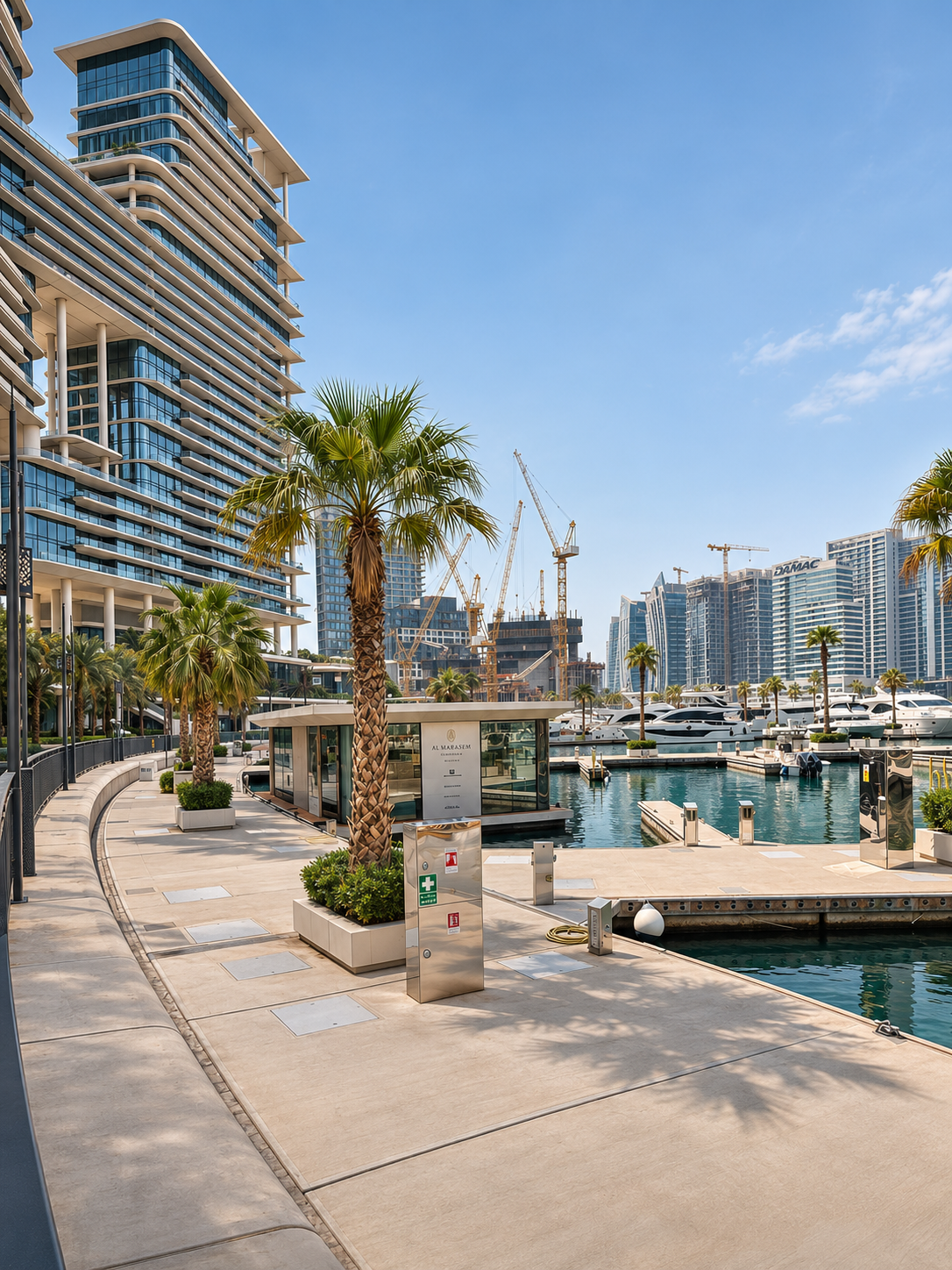
At Marasi Bay, these connections find tangible expression in a collaboration between Isola Design, The Lana, Dorchester Collection, Dubai, and OMNIYAT.
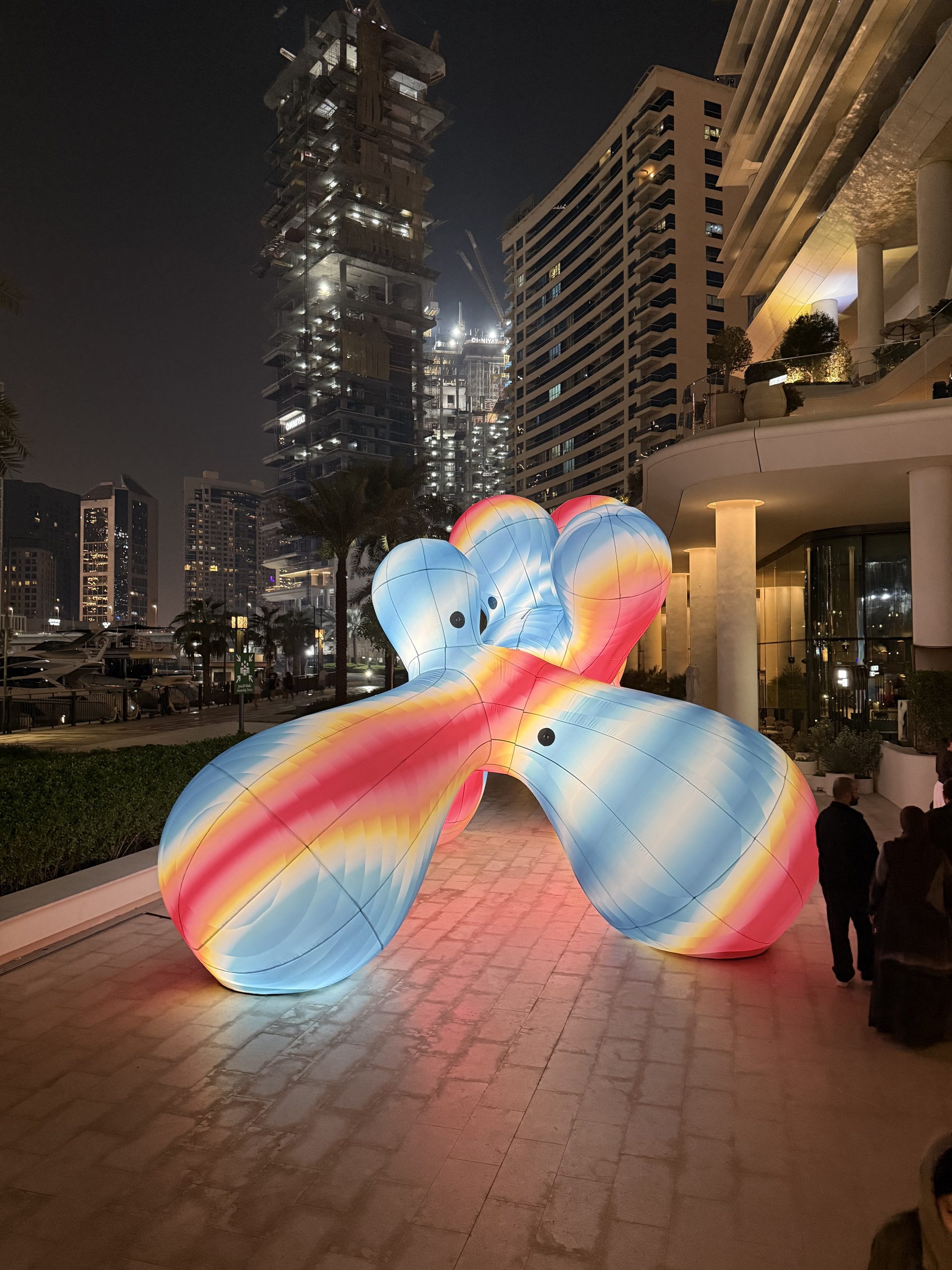
During Dubai Design Week, hotel suites become temporary ateliers, locally sourced stone frames contemporary design, and discarded paper takes on a sculptural life. Together, these encounters offer a closer look at how design, hospitality, and the making of a neighborhood can contribute to Dubai’s creative conversation.
A Hotel’s Sense of Place
What gives a hotel its sense of place? Architecture establishes a foundational relationship with the surroundings, while material choices introduce texture and quiet associations. Art, on the other hand, brings individual, distinct voices into a building. Together, these deliberate choices help a guest understand something fundamental about where they have arrived.
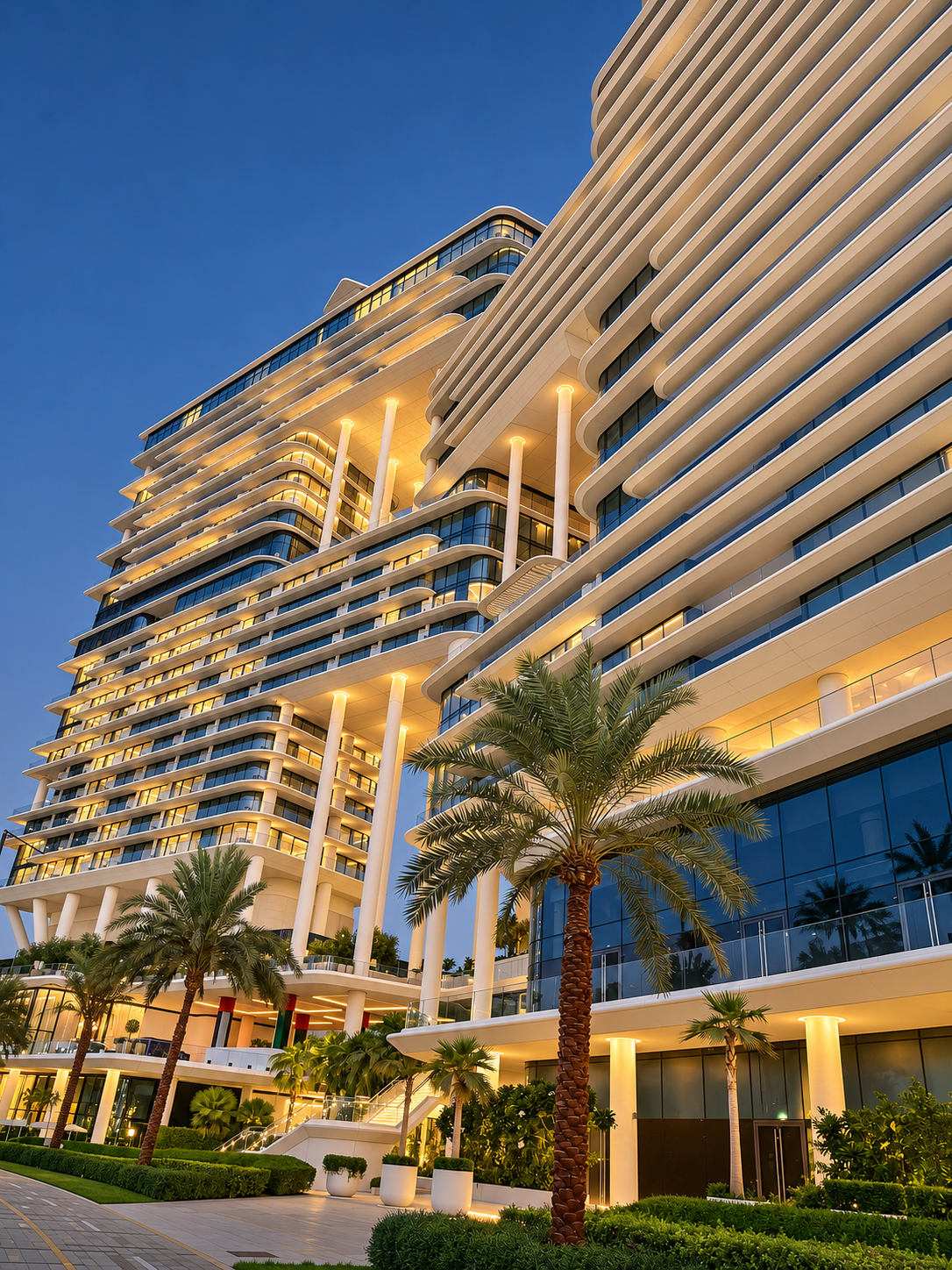
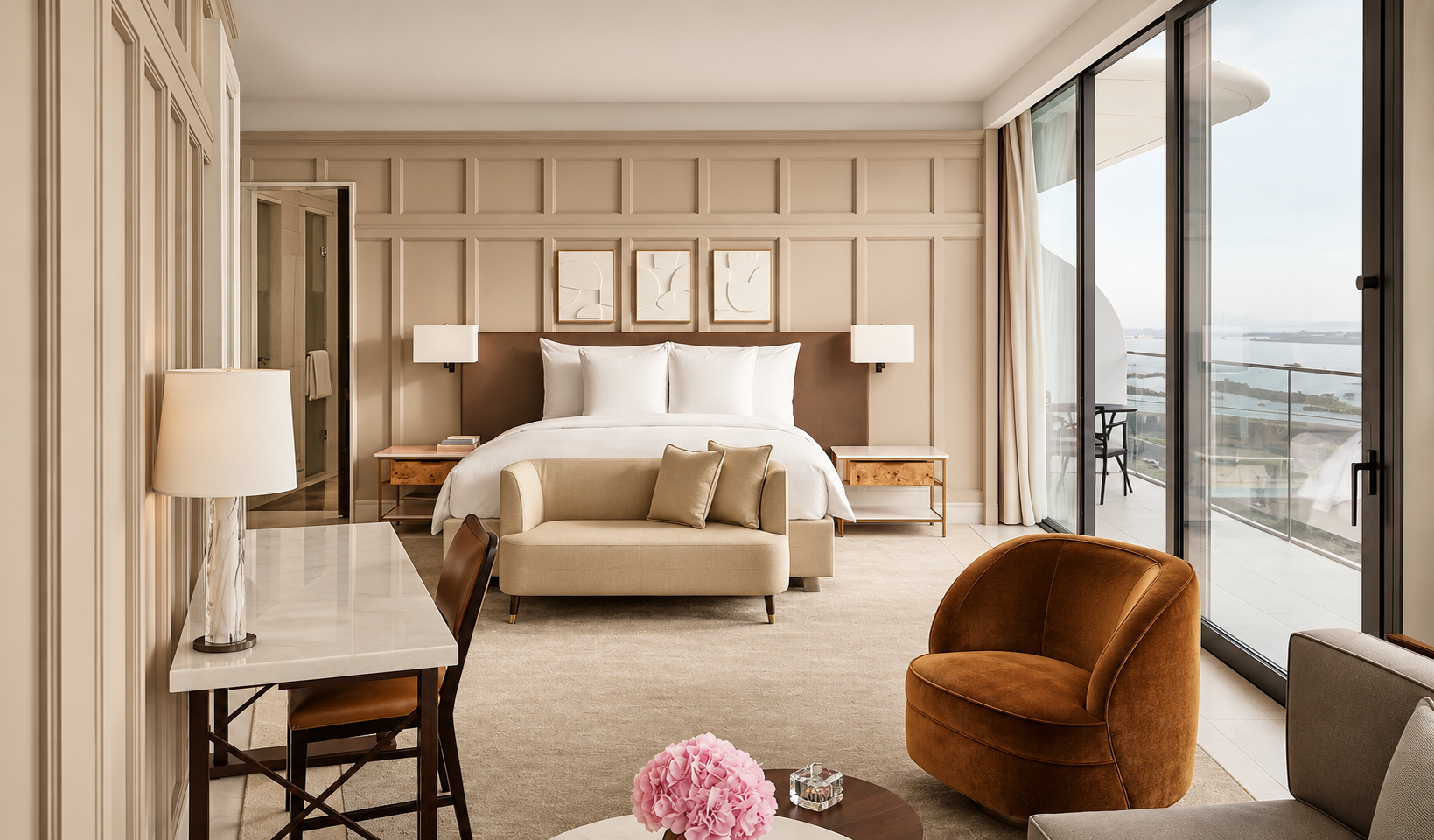
At The Lana, this dialogue begins where the concrete architecture of Foster + Partners meets the layered, tactile interiors of Gilles & Boissier. While the hotel incorporates more than 50 commissioned artworks by local and international artists, the most interesting relationship emerges between the coherence of a designed interior and the distinct perspectives of the people whose work inhabits it. An artwork or an object can interrupt an expected mood, introducing a story that extends far beyond the room itself.
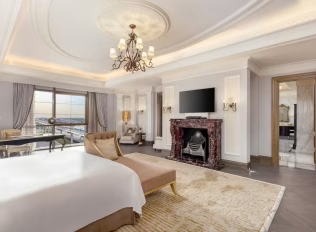
With the exhibition Do Not Disturb, the process of making enters that conversation directly. By turning the hotel suite into a setting for exploring a designer’s thinking, the domestic space invites attention to how a piece develops and what its materials make possible. For visitors, this offers another way into hospitality: a chance to look behind the curtain and engage with the creative labor that shapes the environments they experience.
Reading the Landscape Through Materials
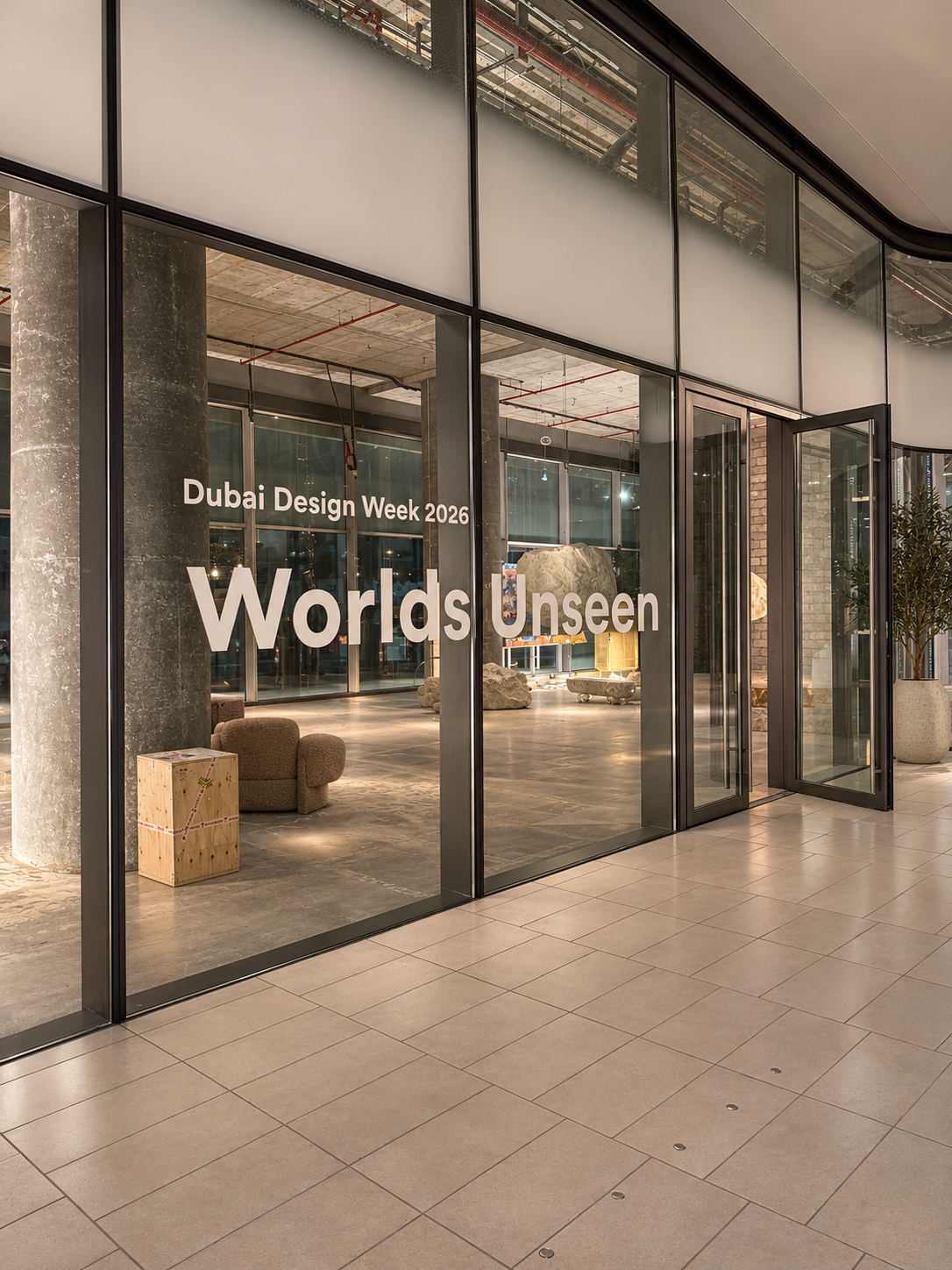
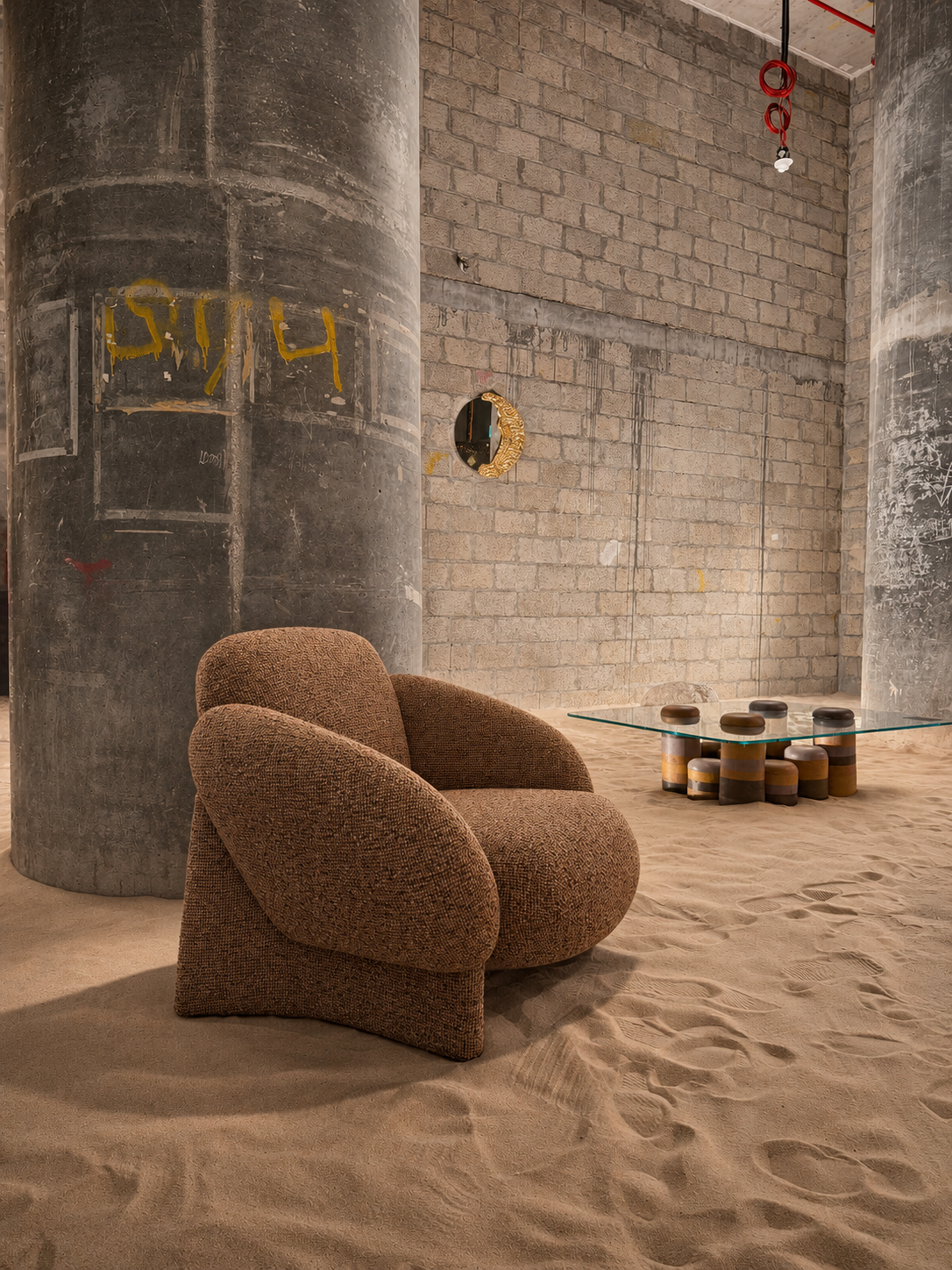
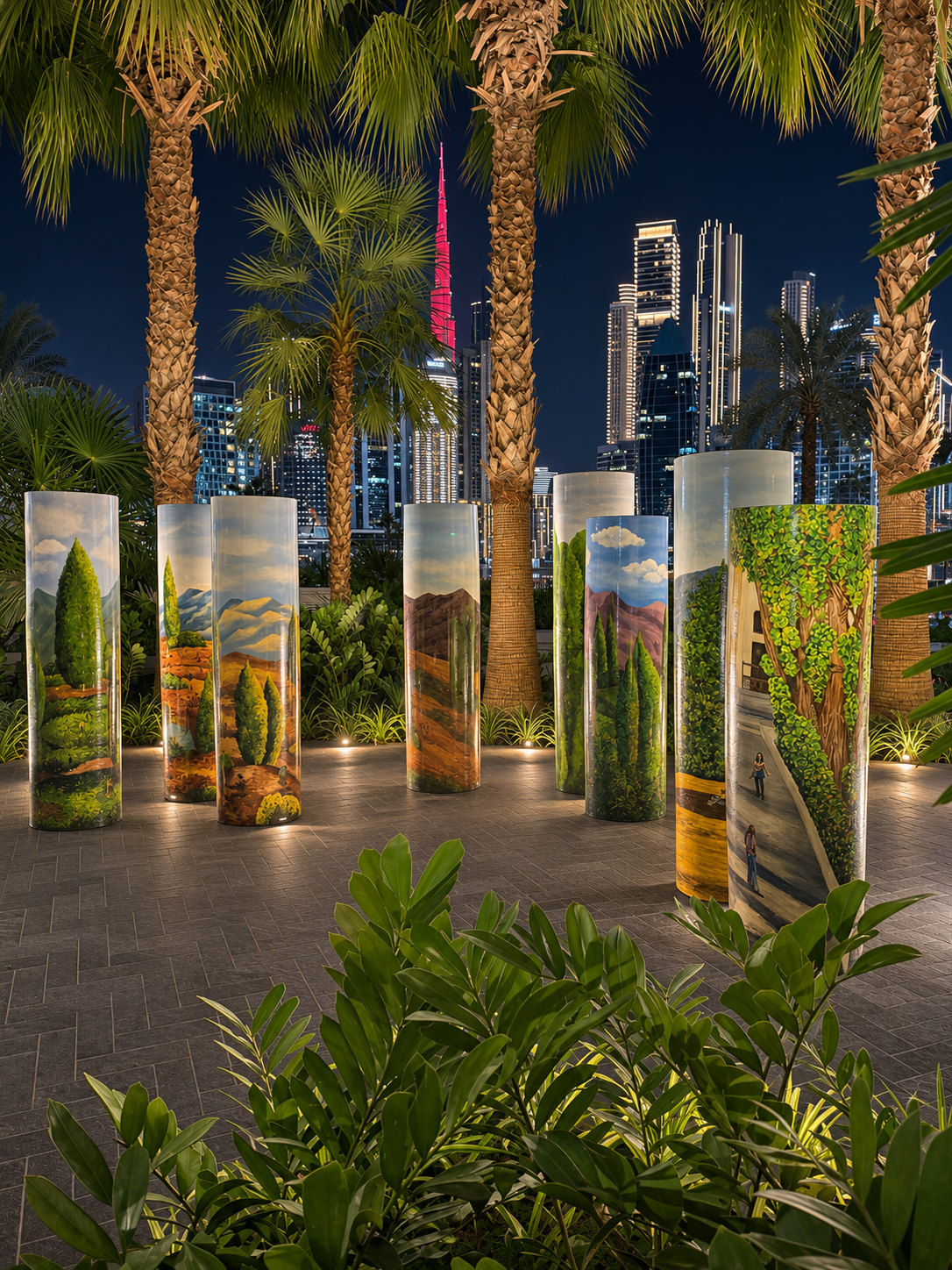
Along The Lana Promenade, Worlds Unseen—an exhibition by Oliwia Maria Studio and Curator Bureau—approaches place through its raw, physical substance.
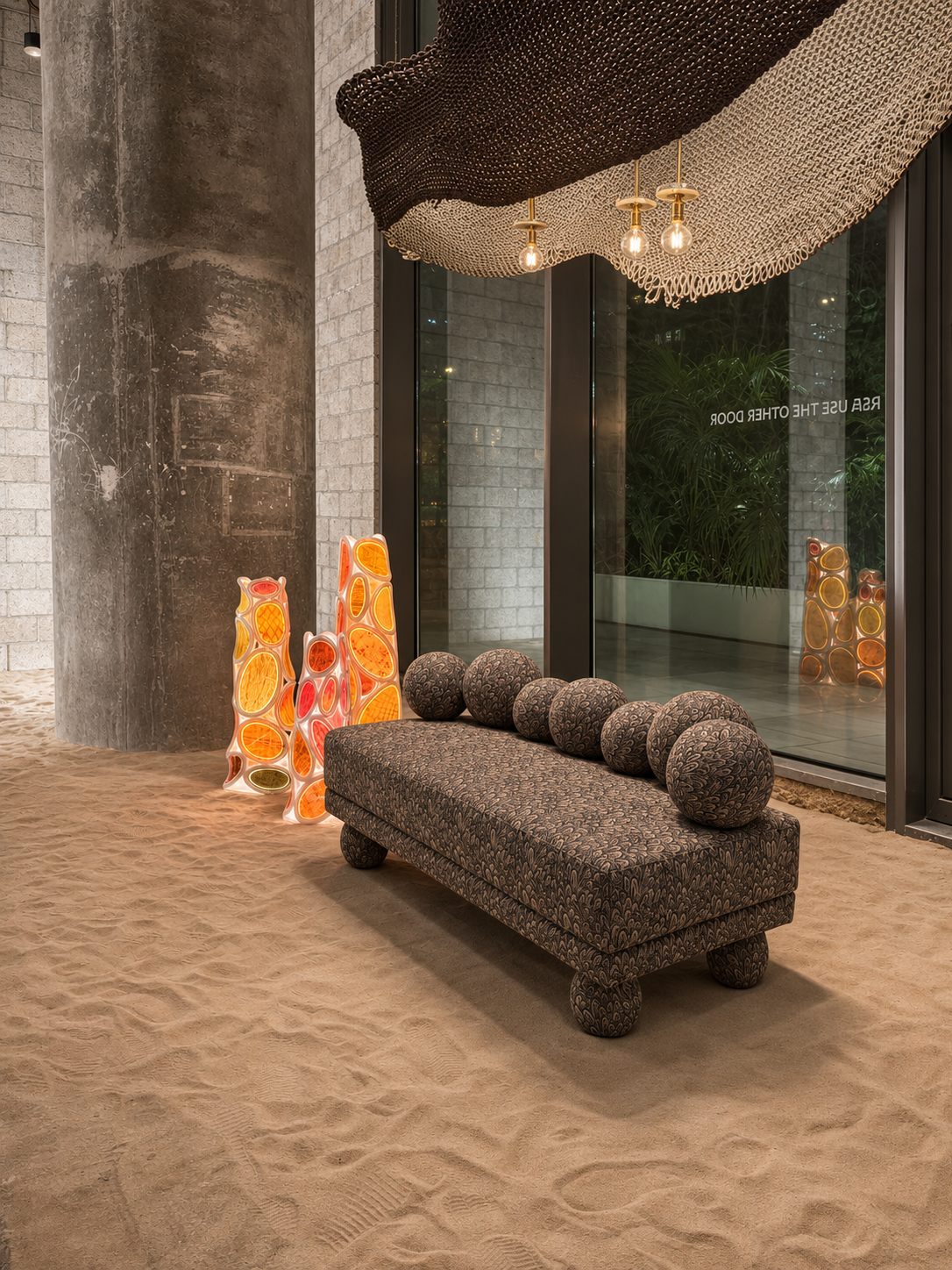
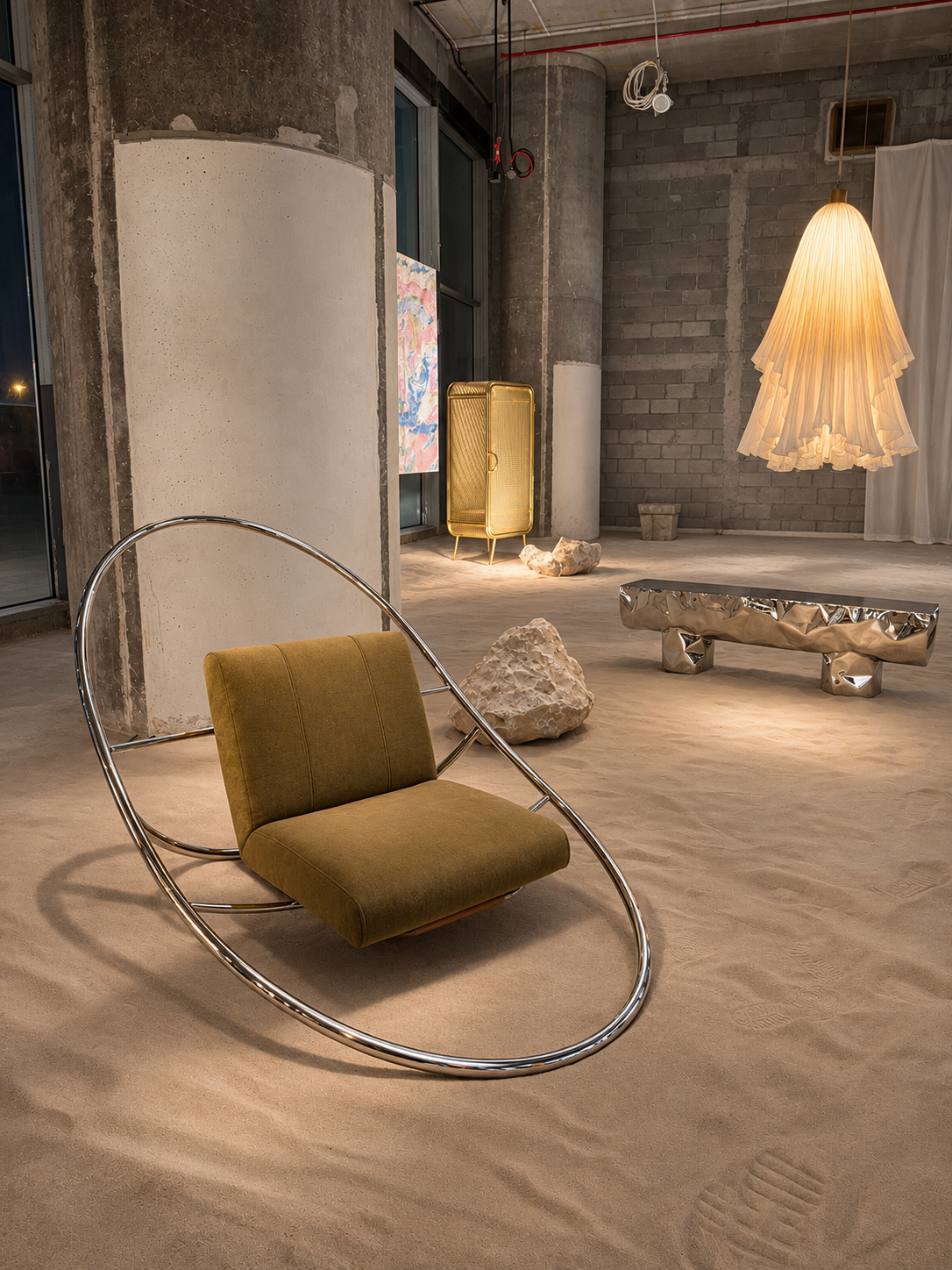
The exhibition presents collectible design in an environment inspired by the UAE’s geological landscape. Here, locally sourced stone becomes part of a suspended, sculptural setting, connecting contemporary objects with questions of material heritage and memory.
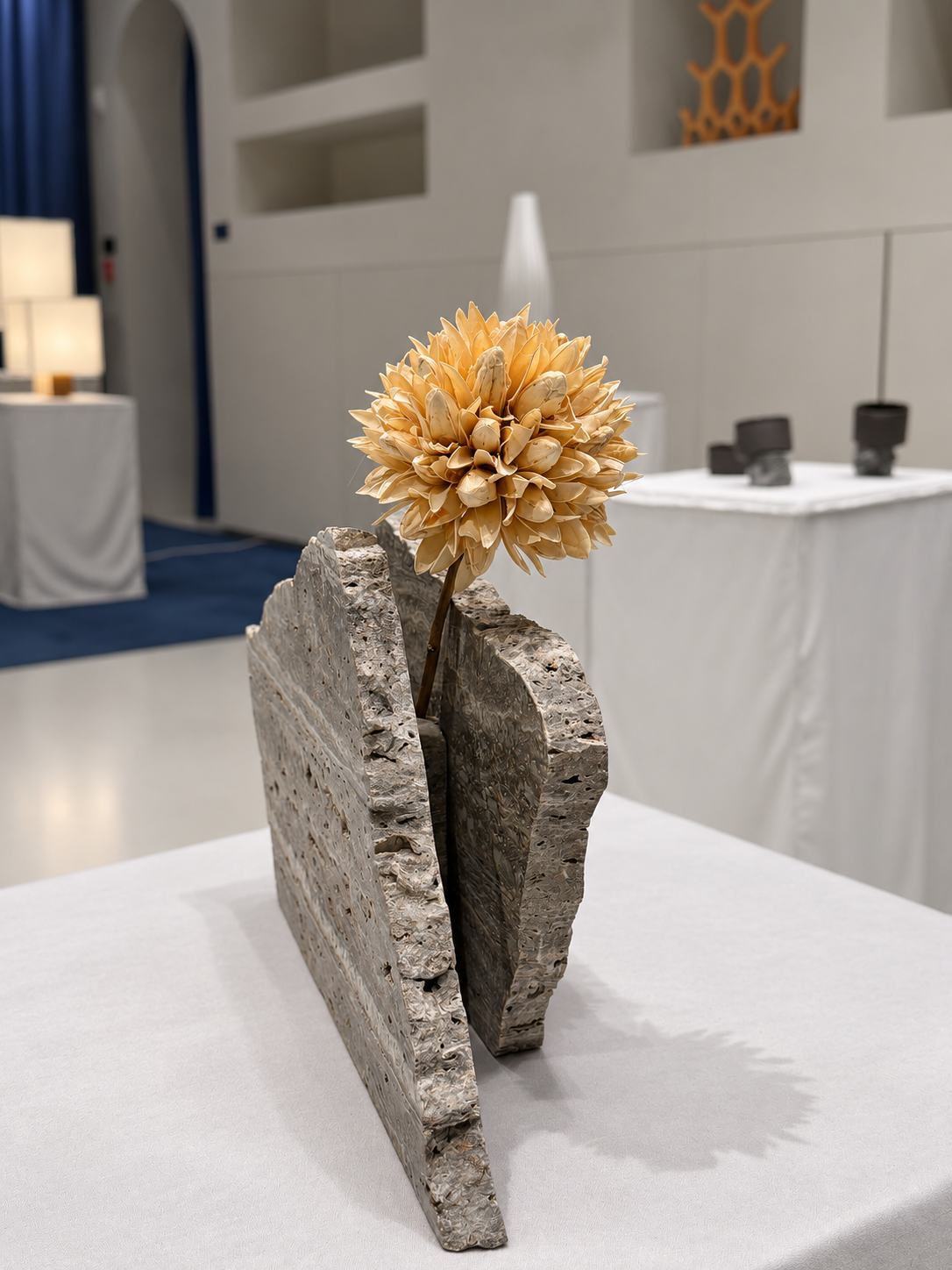
Stone gives that exploration a particular weight. It carries the physical evidence of time, while the ways people cut, arrange, and inhabit it reveal changing ideas about shelter, beauty, and permanence. Within this framework, the regional connection is rooted in the honesty of the material itself. It provides a useful way to consider contemporary design in Dubai: through close attention to the resources, landscapes, and knowledge that can inform new work.
This focus on craftsmanship continues into Isola Space with No Ordinary Things. Running alongside the waterfront exhibitions, it turns its attention to furniture, collectible objects, and functional pieces. By focusing strictly on craftsmanship and material expression, it reinforces the idea that the objects we live with are never merely decorative—they are part of the ongoing story of a place.
The Lives Within an Object
Elsewhere in the program, The Bloom, by KAOS, works with materials that have already served another purpose.
Newspapers, cardboard, receipts, and personal documents are layered into a sculptural flower. These fragments carry the records of everyday life: things read, purchased, recorded, and eventually discarded.
Their transformation gives the installation its cultural interest. The material retains clear associations with its earlier use, even as it becomes something entirely new. It asks viewers to consider what survives in the things we throw away, and what creative attention can recover from them.
In contrast, Sara Ricciardi Studio’s Serotonin introduces a different approach, exploring the emotional and biological dimensions of happiness through an immersive installation. Together, these works open several routes into design: through memory, material, sensation, and the possibilities of reuse.
From an Event to an Everyday Presence
Crucially, this collaboration also has a permanent address.
Opened at The Lana Promenade, Isola Space brings together an exhibition gallery, design store, café, workspaces, and event facilities. It gives Isola Design Group’s international community a year-round setting in Dubai.
That continuity matters. A design week concentrates attention, bringing people together around a shared calendar. A permanent space allows relationships with the work to develop more gradually, through repeat visits, workshops, and spontaneous conversations.
For a city attracting people with different creative traditions, these encounters can be highly productive. A technique familiar to one maker may be entirely new to another. A material can acquire a different use, and an inherited practice can find an unexpected audience. Dubai’s creative growth becomes tangible in such exchanges—in the opportunities people find to present their work, learn from one another, and establish an ongoing practice here.
The Character of a Neighborhood
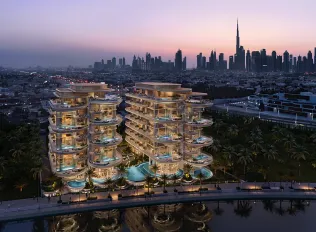
OMNIYAT’s wider plans for Marasi Bay place hospitality, residences, workplaces, and leisure within a connected waterfront setting.
The collaboration with Isola adds a cultural dimension whose significance will develop through the people and work it brings into that environment. By creating space for design within the everyday experience of a neighborhood, Marasi Bay moves beyond a standard development project, showing how a destination can actively contribute to a city’s living culture.







Leave a Reply