




The story I want to tell about Dolly Parton begins long before Nashville and goes far beyond her achievements, awards, and the thousands of songs she wrote. It’s a story about mindset—about courage, family values, generosity, and care for others. At its heart, it’s the tale of how the loom of choice weaves the tapestry of who we become.
Every story’s prologue may be written by circumstance, but the final chapters are claimed by will. Dolly’s childhood unfolded in the shadow of hardship—poverty, twelve children tucked beneath one humble roof, and burdens shouldered before her time. Yet, she refused to let hardship pen her story. Where others might have found shame, she spun pride; where responsibility pressed down, she forged loyalty; where criticism rang out, she answered with laughter; and when success arrived, she turned it into a lantern to light the way for others.
Perhaps that is why her spirit always remained young. She never lost her curiosity, her playfulness or her willingness to imagine what could come next. She could laugh at herself without diminishing herself, embrace the passing of time without allowing it to define her, and acknowledge where she came from without remaining confined by it.
Behind the rhinestones, the soft, musical cadence of her Southern accent, the witty comebacks and the carefully created persona was a woman who understood something fundamental: we cannot always choose what happens to us, but we can choose what we make of it.
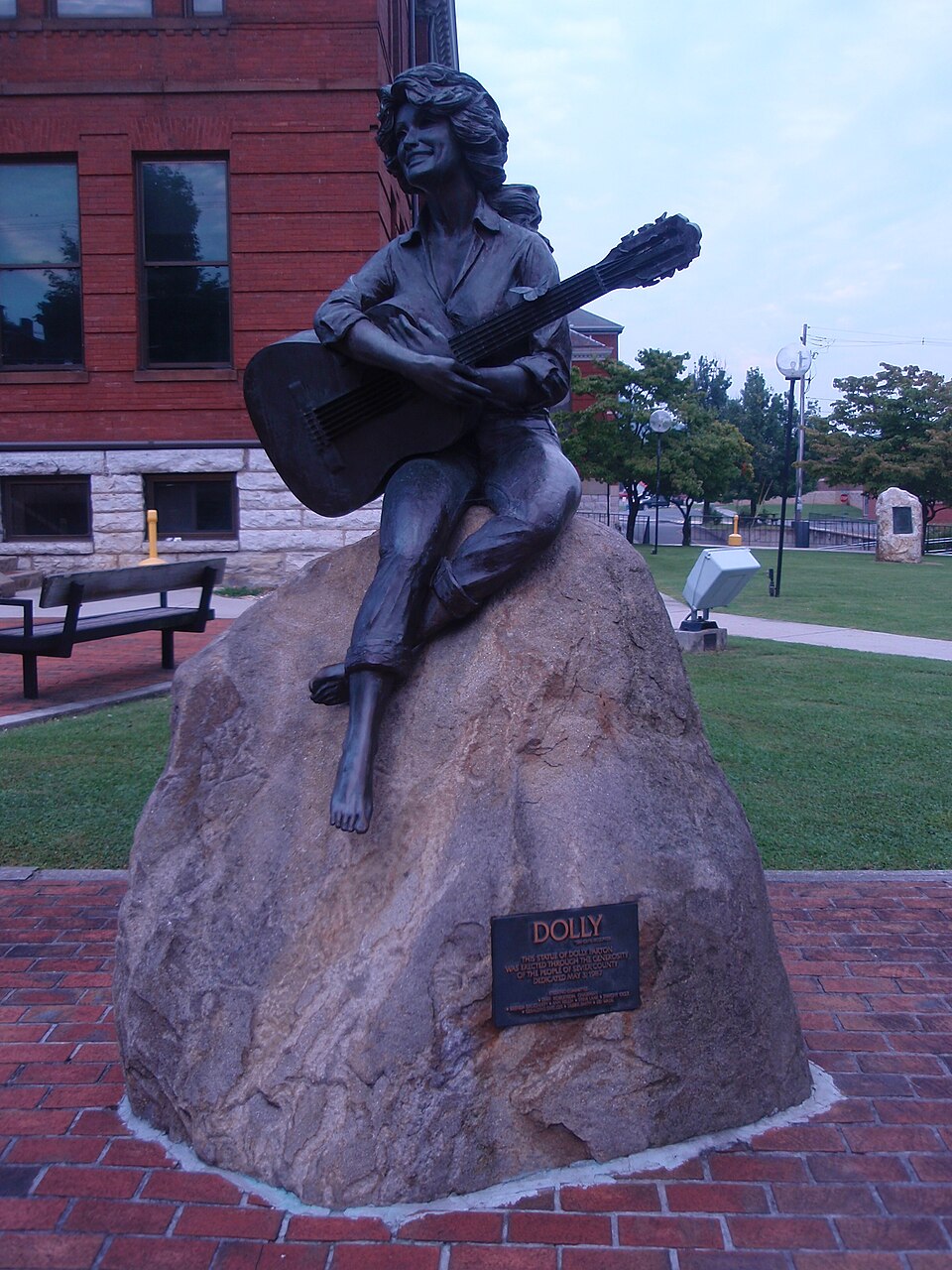
Coat of Many Colors: How Dolly Parton Wove Her Own Story
One of the earliest examples began with a coat made from scraps—and the meaning her mother stitched into every piece.
Her parents could not afford to buy Dolly a new winter coat, so her mother, Avie Lee, made one from pieces of fabric the family had been given. With each patch sewn, she told her daughter the biblical story of Joseph and his coat of many colors. Dolly wore it to school, feeling proud, only to be met with laughter from children who saw only rags, never the love woven into every seam.
The experience would later become one of her most personal and deeply meaningful songs: “Coat of Many Colors.” Its significance reaches beyond an account of childhood poverty. Even as a young girl, Dolly understood a profound truth: something does not become worthless simply because other people fail to recognize its value. Her classmates saw a coat made from scraps; she saw the time, imagination, and the heart her mother had poured into it.
She could have carried the humiliation with her. Instead, she transformed it into a story about dignity, love, and the different ways wealth can be measured. The mocking did not disappear, but it did not get to determine what the coat meant—or what Dolly believed about herself.

Beyond Rhinestones: The Courage and Compassion of Dolly Parton
Family was not an abstract value in Dolly’s childhood. It meant sharing space, food, and responsibility. As the fourth of twelve children, she was among the older siblings expected to help care for the younger ones. There were meals to prepare, children to watch, and work to be done because a household that large could function only if everyone played a part.
Such responsibility could easily have become a source of resentment. Dolly might have looked back on it as a childhood interrupted by necessity. Instead, she spoke about her family with affection and loyalty, and those early responsibilities appear to have deepened rather than weakened the bonds between them. Her younger sister Freida would later describe Dolly not only as a sister, but as a mother figure who had helped raise her.
One of Dolly’s most cherished Christmas memories says much about the values within the Parton family. Her parents had married as teenagers, when they could not afford a wedding ring. Years later, with a house full of children and very little money, her father decided it was finally time to buy one for her mother.
Doing so meant that the children would receive no presents that cost money that Christmas. They agreed to give up the small amount that might have been spent on them, contributing instead to a gift for their mother. What stayed with Dolly was not the absence of presents, but the happiness they shared when Avie Lee received the ring.
Poverty had limited what the family could buy, but it had not diminished their capacity to give. Once again, the meaning of the experience was determined not by what was missing, but by what they chose to create together: sacrifice became celebration, and scarcity became an expression of love.
“It costs a lot of money to look this cheap”
Writing Her Own Chorus: The Dolly Parton Way
Dolly understood hard work long before she understood fame. She had watched her parents labor to provide for twelve children, and she carried that same discipline throughout her own life. But she also understood the difference between working hard and surrendering ownership of one’s time, ideas and future.
That distinction runs through 9-to-5. Written for the 1980 film in which she starred alongside Jane Fonda and Lily Tomlin, the song gave a voice to working women whose efforts were taken for granted, whose ideas went unrecognized, and whose opportunities remained controlled by those above them. Its bright tempo and irresistible rhythm carried a much sharper observation about inequality, frustration, and the feeling of working to fulfill someone else’s ambitions while having little freedom to pursue one’s own.
It was not a rejection of work—few people worked harder than Dolly. It was a rejection of work without dignity, recognition or possibility. For her, freedom did not mean escaping effort; it meant having the power to direct that effort towards something she believed in.
Years before, Dolly had already shown the courage to step out of the duet’s spotlight and onto her own stage. Her partnership with Porter Wagoner had launched her into national fame, but Dolly sensed the gilded cage closing around her dreams. With a trembling heart and unwavering vision, she chose freedom—a leap that threatened both career and friendship, but promised the open sky of self-determination.
Yet she did not turn the separation into an act of bitterness. She wrote I Will Always Love You as a farewell: grateful for what the relationship had given her, but certain that it was time to leave. Once again, Dolly found a way to transform a difficult ending into something generous—and, in doing so, moved closer to becoming herself entirely.


I know I am not dumb, and I know I am not blonde
In on the Joke
Dolly’s appearance was never incidental. The towering blonde hair, vivid colors, high heels, and rhinestones formed a persona she deliberately designed and inhabited completely. The inspiration came from a woman in her hometown whom others dismissed as the “town tramp.” While the adults around her saw someone improper, the young Dolly saw glamour, confidence and beauty.
That choice reveals something important about the way she looked at the world. She had a mind of her own and did not automatically accept the value judgments handed to her by others. She decided for herself what was beautiful, what mattered, and who she wanted to become—even when her choices did not fit the mold and were questioned by those with conventional ideas.
Dolly also understood the power of being in on the joke. She spoke openly about her wigs, cosmetic procedures, and exaggerated image, disarming criticism with humor before it could be used against her. “It costs a lot of money to look this cheap,” she famously quipped, or as she once joked, “I’m not offended by all the dumb blonde jokes because I know I’m not dumb—and I also know that I’m not blonde.” These lines weren’t acts of self-mockery, but a sly, sparkling wink at the world: Dolly knew the assumptions people made, and she refused to be diminished by them.
Her humor was self-deprecating without becoming self-rejection. She could mock the artifice while remaining entirely secure in the woman beneath it. Even aging became another opportunity for wit. She joked that she would look as young as her plastic surgeons allowed, while showing the world that youthfulness ultimately came from within.
That ability to laugh at herself may be one reason her spirit remained so young. Dolly took her work, her values and her responsibilities seriously, but rarely seemed burdened by the need to take herself too seriously. The humor made her approachable; the self-knowledge ensured that no one mistook warmth for weakness.
Books, Hope, and Healing: Dolly’s Gifts Beyond Music
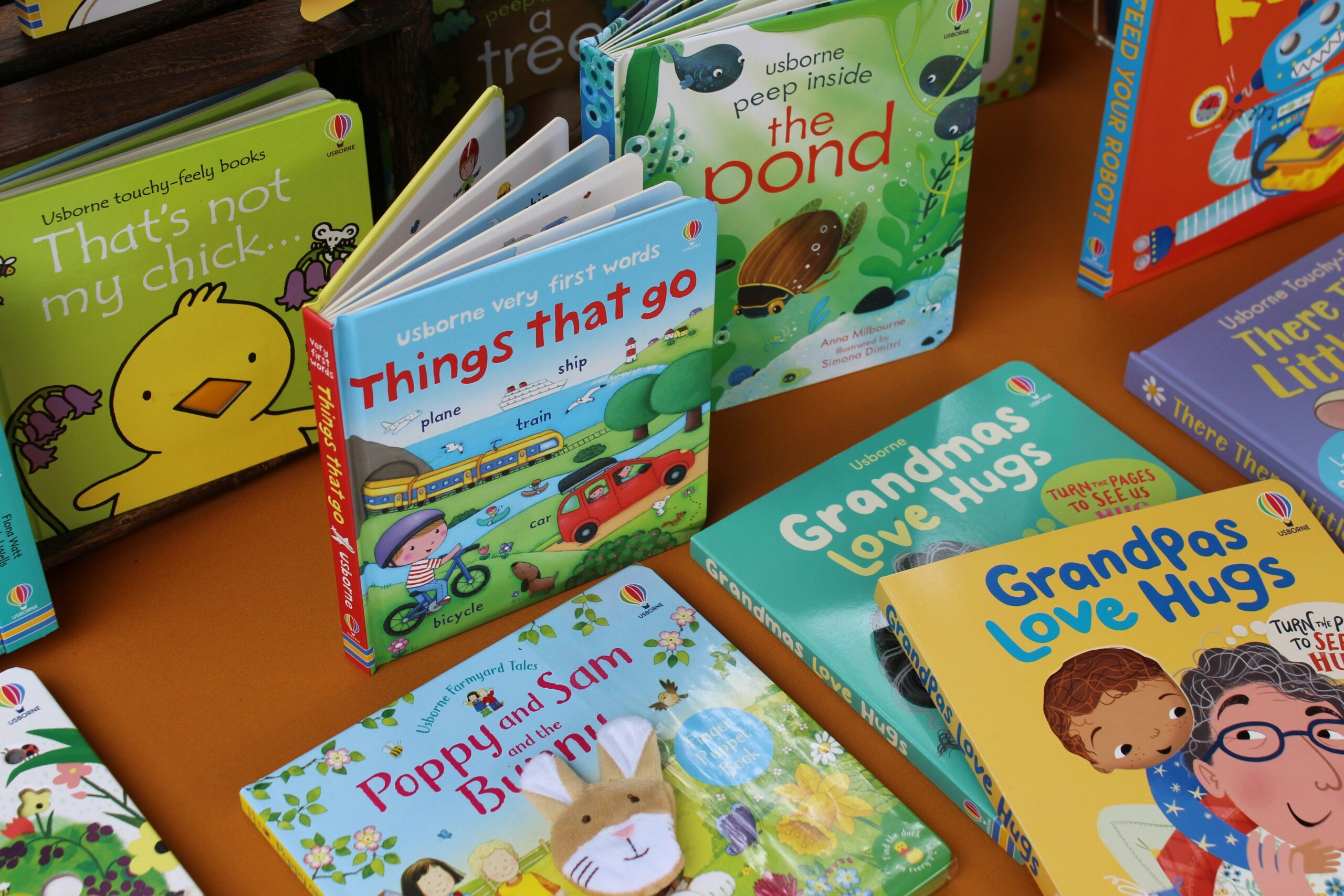
Perhaps the purest echo of Dolly’s heart can be found in the Imagination Library—a project stitched from memory, longing, and hope. Her father, Lee, could not read or write, a silent barrier that kept his dreams penned up like birds against glass. In 1995, Dolly set out to change the story for others, sending books like bright feathers into the hands of children in East Tennessee. The Library’s song spread, crossing state lines, then oceans, until its chorus reached millions. It was a tribute to her father’s unspoken wisdom and a promise that no child’s world would remain small for lack of words.
When wildfires ravaged Sevier County, Dolly’s care became a lifeline—her My People Fund delivering not just money, but hope, to those left with ashes. Whether through books or rebuilding lives, Dolly chose to give in ways that mended, uplifted, and lingered like a well-loved tune. Fame gave her the microphone; compassion gave her the music. Her heart, it turned out, was every bit as large as her personality.
Shining Through: Lessons from Dolly Parton’s Life
Dolly Parton’s life can be measured in songs written, records sold, awards received, and audiences reached. But numbers, however extraordinary, tell only the most visible part of the story.
Her life offers a compelling example of how mindset and attitude shape character—and ultimately, who we choose to become. She did not deny hardship or pretend that difficult experiences had not affected her. She may not have chosen the opening lines, but she wrote her own narrative—and claimed the final word.
Perhaps that is the most meaningful part of her legacy. She showed that strength does not have to harden, ambition does not require abandoning one’s roots, and success becomes more valuable when it creates possibilities for others.
From a coat sewn of scraps to songs stitched with longing, from laughter on stage to lanterns of hope lit in the darkest hours, Dolly Parton has shown us how to turn what life gives into something dazzling and new. Her story reminds us that we are each the authors and artists of our own becoming—able to choose, again and again, which colors we weave into the tapestry of our lives. In the end, Dolly’s greatest legacy is not measured in rhinestones or records, but in the hope, humor, and humanity she’s spun into the world: a chorus that lingers long after the final note.
Main Image: Dolly Parton, 1977. Publicity photograph by RCA Records. Public domain in the United States, via Wikimedia Commons.




Leave a Reply