




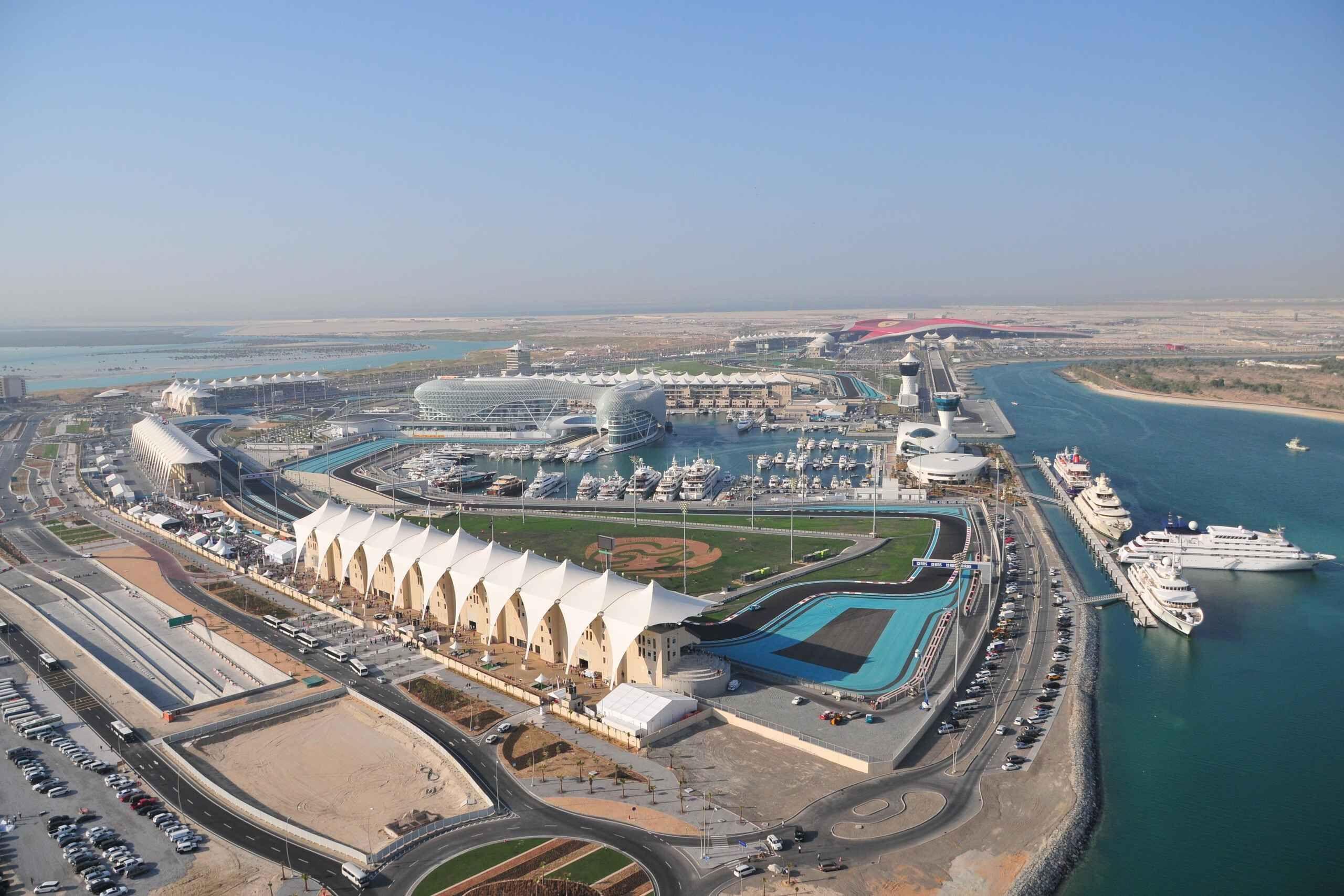
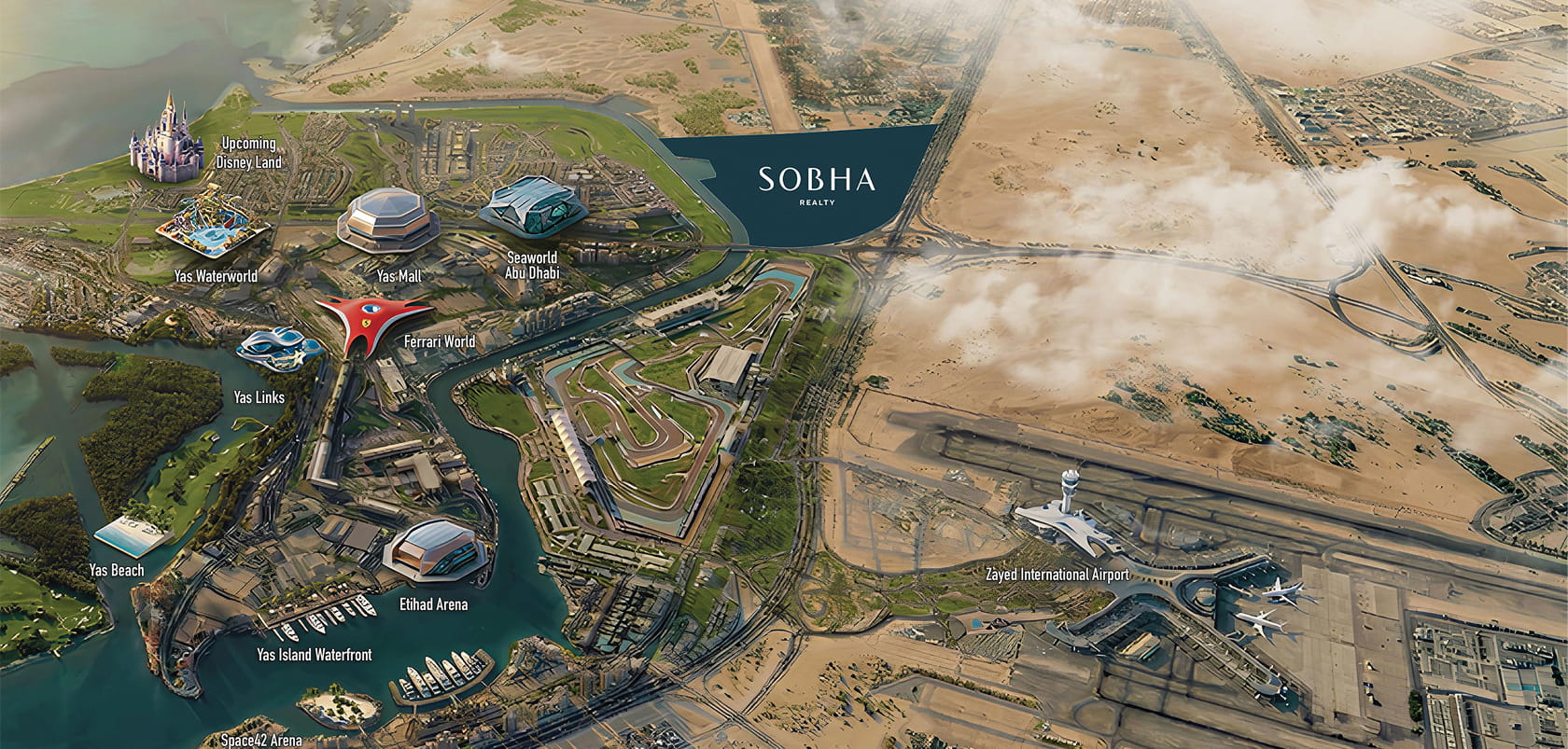
Abu Dhabi has always been a city built with the long view in mind. Its transformation has been deliberate rather than hurried: a capital shaped by culture, infrastructure, global ambition and, increasingly, a more sophisticated vision of how people want to live. Today, some of Abu Dhabi's most significant transformation is taking place towards Yas Island and the rapidly developing corridor surrounding it. What was once primarily an entertainment destination has evolved into one of the capital's most dynamic districts — home to the Yas Marina Circuit and the Formula 1 Abu Dhabi Grand Prix, Ferrari World, SeaWorld Abu Dhabi, Yas Mall and Etihad Arena, alongside an expanding landscape of hospitality, leisure and residential development.
And that evolution is far from complete. The announcement by Disney and Miral of a landmark Disney theme park resort — the first Disney destination of its kind in the Middle East and the company's seventh resort destination globally — signals the scale of ambition for the area. More than another attraction, its arrival has the potential to further strengthen Yas Island's position as an international tourism and lifestyle destination and accelerate the transformation already taking place around it.
It is within this wider story of growth that Sobha City Abu Dhabi becomes particularly compelling.
Located in Al Bahiya, within easy reach of Yas Island and Zayed International Airport, the waterfront masterplan marks Sobha Realty's arrival in the UAE capital. Its location places it within reach of one of Abu Dhabi's most important emerging growth corridors, yet sufficiently removed to offer something deliberately different: a low-density residential environment shaped by water, landscape, wellness and community.
For investors, that distinction is significant. The proposition is not simply proximity to Yas Island and everything being built there, but the opportunity to invest in a residential destination with an identity and long-term appeal of its own. But location is only part of the proposition.
Sobha City's masterplan is conceived around three principles — Live, Connect and Restore — bringing residences, nature, social spaces and wellbeing together within one integrated community. Rather than treating landscaping as an aesthetic addition, the development describes nature as part of its infrastructure: water, greenery, shade and movement are intended to shape everyday life.
But perhaps the more compelling argument is that Sobha is not simply building homes beside that growth. It is creating a destination with its own identity — one designed to remain desirable long after the cranes have disappeared.
Why This Location Matters Now
Timing matters in real estate. So does geography. And in Abu Dhabi today, the two are becoming increasingly difficult to separate. The capital's property market has entered a period of remarkable expansion. According to the Abu Dhabi Real Estate Center, the value of real estate transactions reached AED 142 billion in 2025, an increase of 44 percent over the previous year. Residential sales alone rose 67 percent to AED 76 billion, while foreign investment accounted for a significant share of the market's growth. These figures point to a substantial increase in activity and growing confidence in Abu Dhabi's property market.
That momentum has continued into 2026. During the first quarter, Abu Dhabi recorded AED 66 billion in real estate transactions — more than double the value recorded during the same period a year earlier. Particularly relevant to Sobha City's location, Yas Island alone accounted for more than AED 5.5 billion. The significance for investors lies in the convergence of these factors. Sobha City is entering the market at a time when Abu Dhabi is attracting increasing real-estate activity, while the wider area around it continues to evolve through major investment in infrastructure, tourism, leisure and residential development.
Real-estate investment is ultimately a consideration not only of what a location is today, but of what it may become. Airports, transport links, cultural institutions, hospitality, leisure destinations and population growth can progressively influence the desirability of the communities around them. Sobha City's proposition therefore extends beyond its proximity to Yas Island or any single future attraction. The longer-term question is whether the growth taking place across this part of Abu Dhabi, combined with the quality and scale of Sobha's own masterplan, can create lasting residential desirability.
There are, of course, no guarantees in property investment. Future capital appreciation and rental performance depend on acquisition price, supply, demand, the individual property and broader market conditions. But Sobha City arrives at an interesting moment: Abu Dhabi's real-estate market is expanding, its surrounding area is attracting substantial investment, and much of that transformation is still unfolding.
Location may create the opportunity. What ultimately determines the character and long-term appeal of Sobha City, however, is what happens within it. And that begins with the way the city itself has been conceived.
Live. Connect. Restore.
There is a point at which a collection of residences becomes something more than real estate. It becomes a neighborhood. And, if it is planned particularly well, it begins to develop that more elusive quality: a sense of belonging. This appears to be the ambition behind Sobha City.
The masterplan is organized around three deceptively simple ideas — Live. Connect. Restore. Together, they express a philosophy in which the home is only one part of the residential experience. What happens outside the front door — the landscape, the paths we walk, the people we encounter, the places where we stop, exercise, meet or sit — matters just as much.
Live
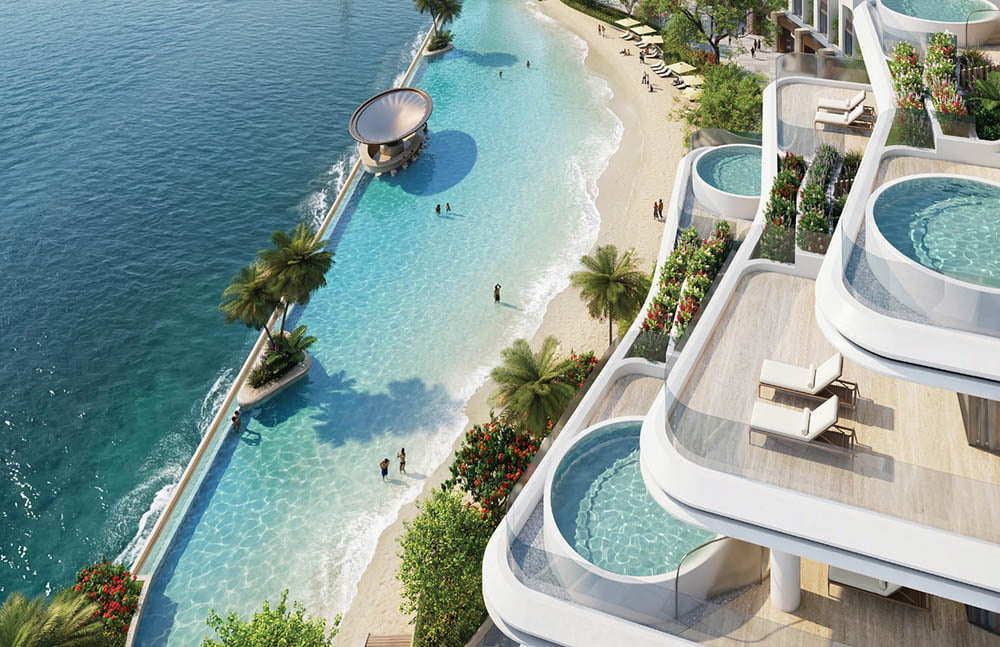
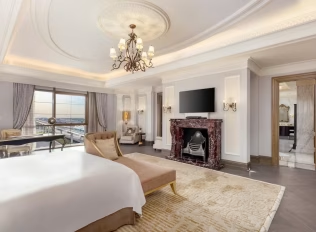
At Sobha City, living begins with space. Homes are designed around light, proportion and privacy, with residences intended to accommodate different stages of life rather than a single moment in it. The wider residential offering extends from apartments to garden and estate villas and larger homes, allowing very different forms of living to coexist within the same masterplanned destination.
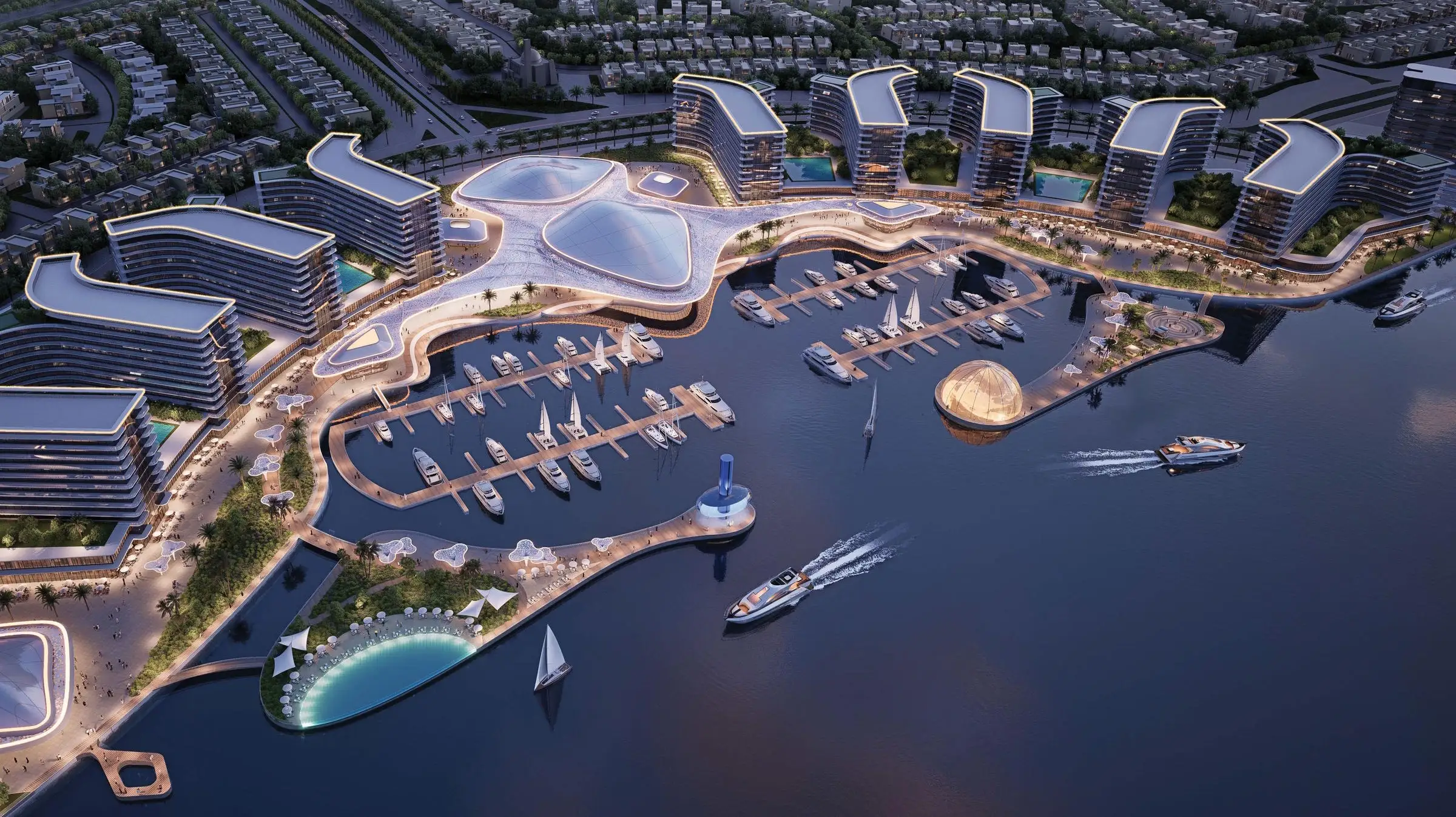
But the more interesting idea is what surrounds them. Water and landscape run through the masterplan. Canals, green corridors and open spaces are not conceived simply as a backdrop to the architecture; they help determine how the city is experienced. In Sobha's words, nature is not decorative but foundational.
That philosophy can be seen in the scale of the landscape itself. Around 60 percent of the masterplan is dedicated to open and green spaces, complemented by a waterfront promenade extending approximately two kilometers and a wellness network of more than 20 kilometers. The result is intended to be a city where the outdoors becomes an extension of the home.
Connect
Luxury residential development has traditionally been associated with privacy. Increasingly, however, good urban planning must solve a more complex problem: how to preserve privacy while still creating community. Sobha City attempts to do both.
Tree-lined promenades, courtyards, waterfront walks, cafés, retail and shared spaces are woven into the routes people naturally take through the development. Instead of creating designated places where residents are expected to socialize, the masterplan seeks to allow connection to happen more organically.
Families have children's play areas and community spaces; landscaped areas provide places for neighbors to meet; outdoor dining and gathering zones bring activity beyond the residences themselves. Yet these communal elements are balanced with quieter spaces and more private residential neighborhoods.
The intention is subtle but important: community without sacrificing retreat. In an age in which residential developments can provide almost every conceivable amenity and still somehow feel anonymous, that sense of connection may ultimately prove to be one of the project's more valuable qualities.
Restore
Then there is perhaps the most distinctive element of the philosophy: restoration. Sobha City treats wellbeing not as a facility one visits, but as something that can be incorporated into the rhythm of everyday life.
Jogging and cycling routes, open-air fitness areas, sports facilities, meditation zones, shaded pathways and green corridors encourage movement without necessarily turning it into an organized activity. Elsewhere, water, shade and greenery are used to create quieter spaces — places intended as much for pause as for activity. This is where the idea of nature as infrastructure becomes particularly relevant.
A tree is not there simply because it looks beautiful from a window. It creates shade. A promenade does more than frame the waterfront; it encourages people to walk. Green corridors connect different parts of the community. A bench beneath a canopy becomes somewhere to stop. A path becomes part of a daily ritual. Small decisions begin to influence behavior. And collectively, they influence how a place feels.
Sobha City is therefore proposing something more ambitious than a collection of luxury residences surrounded by amenities. It is attempting to shape the conditions for a particular way of life — one in which architecture, landscape, movement, privacy and human connection work together. That brings us to another important part of the Sobha proposition. Because a beautifully conceived masterplan ultimately depends on how well it is built.
The Art of Detail
For Sobha, craftsmanship is not simply about the appearance of the finished residence. It begins considerably earlier. The developer operates through what it calls a Backward Integration model — an approach that brings major parts of the development process under its own control rather than relying entirely on external suppliers and contractors. Design, engineering, construction, material sourcing, manufacturing and quality control are integrated within the wider Sobha organization.
The philosophy is straightforward: if quality is to be consistent, it needs to be controlled from the beginning rather than inspected only at the end. Sobha has dedicated in-house engineering teams, undertakes elements of manufacturing itself and operates an autonomous quality-control function reporting directly to the Group Chairman. The company describes this vertically integrated structure as central to its ability to control materials, execution and finishing throughout the construction process.
For the person buying a home — and particularly for an investor buying before completion — this is more consequential than it might initially sound. Renderings can communicate architecture. Specifications can describe materials. But neither alone can guarantee how a building will ultimately be executed. Construction quality reveals itself over time: in the alignment of a façade, the precision of joinery, the performance of windows and doors, the durability of finishes and in the hundreds of details that are barely noticed when they work correctly — and impossible to ignore when they do not.
This is perhaps where Sobha's philosophy of The Art of Detail becomes most relevant. Luxury, after all, is not only what can be seen. Very often, it is what has been done properly when nobody is looking. Across the masterplan, apartments, garden villas and expansive estate residences offer different interpretations of the same philosophy, from contemporary waterfront living to more private, landscape-led family homes.
Ultimately, the investment case for Sobha City is about more than proximity to Yas Island, Abu Dhabi's expanding property market or the transformation taking place around it. Those factors create opportunity, but they do not determine what will endure. The more important question is whether a development can become a place people genuinely want to live — not only when it is new, but years after it has been completed.
Sobha City's answer lies in the combination of location, thoughtful masterplanning, landscape, community and an uncompromising approach to construction. If that vision translates successfully from masterplan to reality, its greatest asset may ultimately be the simplest one: desirability that lasts.
About the author


-
 The Uneasy Traveler, Understanding Flight Anxiety
 -
 From Desert Trips to Polar Adventures and everything in between
 -
 Tutankhamun, the Boy King who defied Time
 -
 Winter Magic in the Fjords, a Ski Touring Journey from Peaks to the Sea
 -
 Amalfi Coast, Living the Legend of La Dolce Vita




Leave a Reply