




I have always been drawn to destinations with a story to tell—and Nashville, Tennessee, seems to hold more than most. Widely described as the “Songwriting Capital of the World,” it is distinguished from cities known primarily for live performance by its deeply rooted culture of storytelling. Here, stories don’t just linger—they rise up through the cracks of the pavement, weaving themselves into the air on the shimmer of a guitar string or the distant twang of a voice that feels both familiar and brand new.
And I have always loved country music, although I cannot entirely explain why. It did not belong to the world in which I grew up. Perhaps its appeal lies in the way it transforms the experiences that shape ordinary lives into songs. It can be nostalgic without feeling distant, deeply personal and yet universal.
And while music may provide Nashville’s rhythm, it is the songwriters, performers and dreamers who give the city its soul. Long before a voice reaches the radio or an artist steps beneath the stage lights, there is a room, a melody, and someone attempting to turn an experience into words.
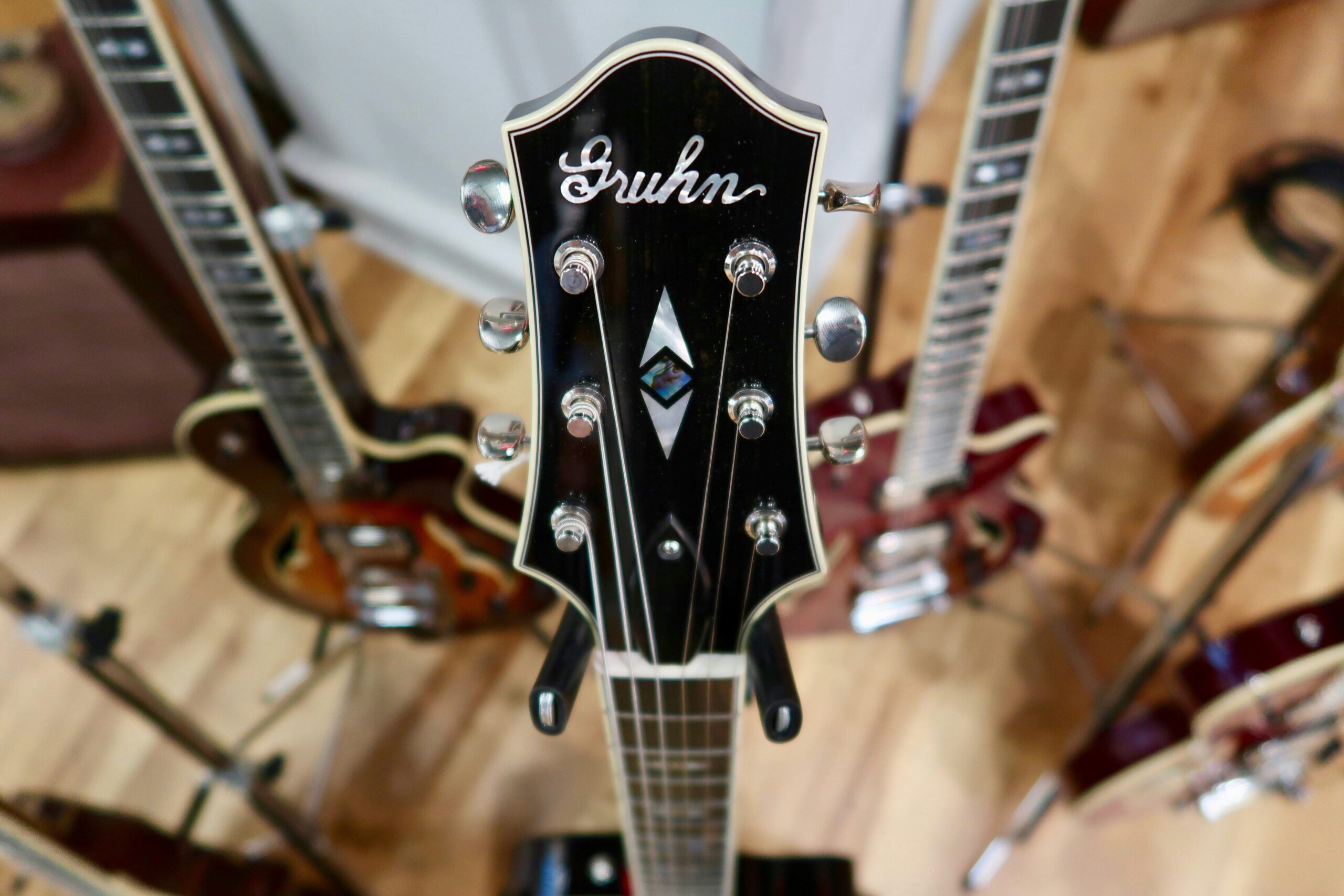
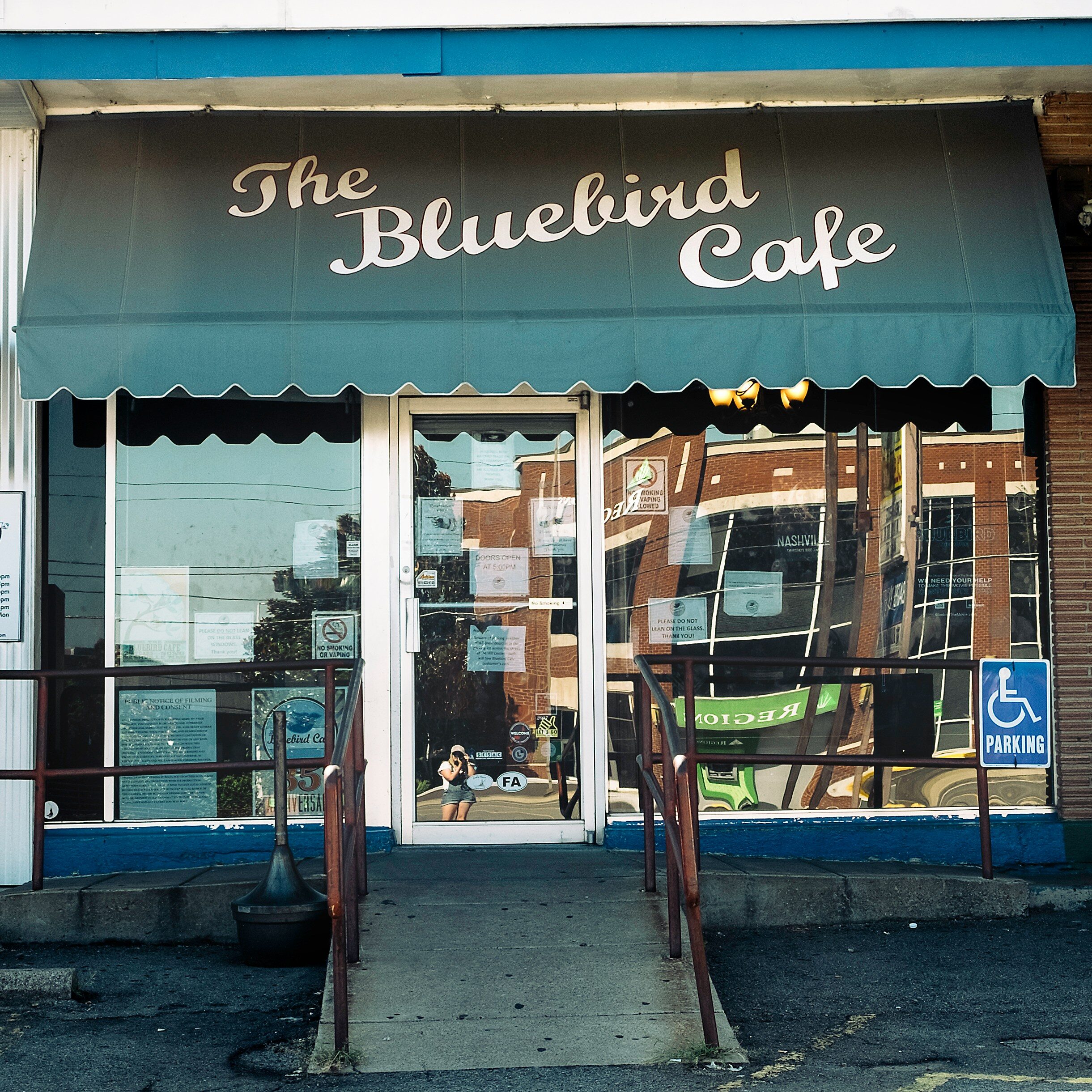
Writers arrive with notebooks filled with unfinished thoughts, musicians gather to test new material, and songs are performed in intimate rooms before finding their way to much larger stages. At venues such as the Bluebird Cafe, the person holding the guitar may be the little-known writer behind a song recognized around the world. Performances are often accompanied by an account of how each song came to be, transforming something familiar into something unexpectedly personal.
The city’s musical geography reveals how this creative culture developed. Music Row became the historic center of Nashville’s recording industry, with its former houses gradually transformed into studios, publishing companies, and record-label offices. Nearby, RCA Studio B helped establish the city as a major recording center, while downtown, the Country Music Hall of Fame and Museum preserves the costumes, instruments, recordings, and handwritten lyrics through which country music continues to evolve.
And then there is the Ryman Auditorium. Originally built as a tabernacle and later home to the Grand Ole Opry, it became known as the “Mother Church of Country Music.” Its history reaches beyond a single genre, but the reverence surrounding it says something essential about Nashville: here, music is not treated merely as entertainment. It is memory, livelihood, aspiration, and, for many, something close to faith.
More Than Country
To understand Nashville only through country music, however, would be to hear just one part of its soundtrack. The city’s musical heritage also runs through gospel, blues, jazz, rhythm and blues, rock, pop and soul—genres that have influenced one another across generations.
Jefferson Street was once at the heart of Nashville’s thriving Black music scene. From the 1940s through the 1970s, its clubs, theatres and studios welcomed performers including Etta James, Ray Charles, Little Richard and Jimi Hendrix. Music, culture and social change converged here, making the area an important center of both creativity and Black community life. Its legacy survives through places such as the Jefferson Street Sound Museum and in the memories of the musicians who passed through its venues.
Downtown, the National Museum of African American Music places that legacy within a much wider context. Its collections trace the influence of African American music from spirituals and gospel to blues, jazz, R&B and hip-hop, revealing how these traditions helped create what the museum describes as the American soundtrack. It offers an important counterpoint to Nashville’s familiar country-music narrative—and a fuller understanding of why the city’s musical identity cannot be contained within a single genre.
A City of Different Rhythms
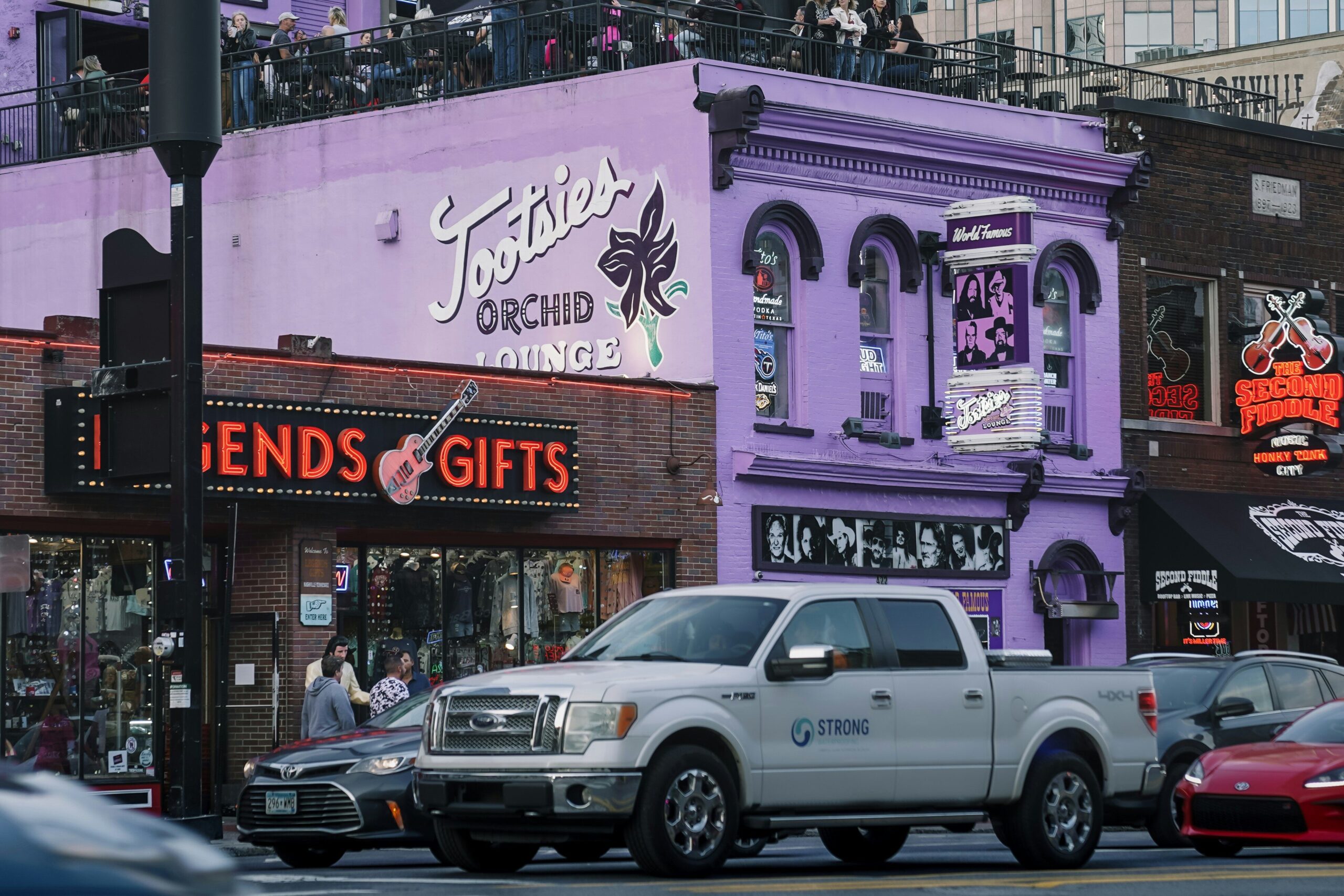
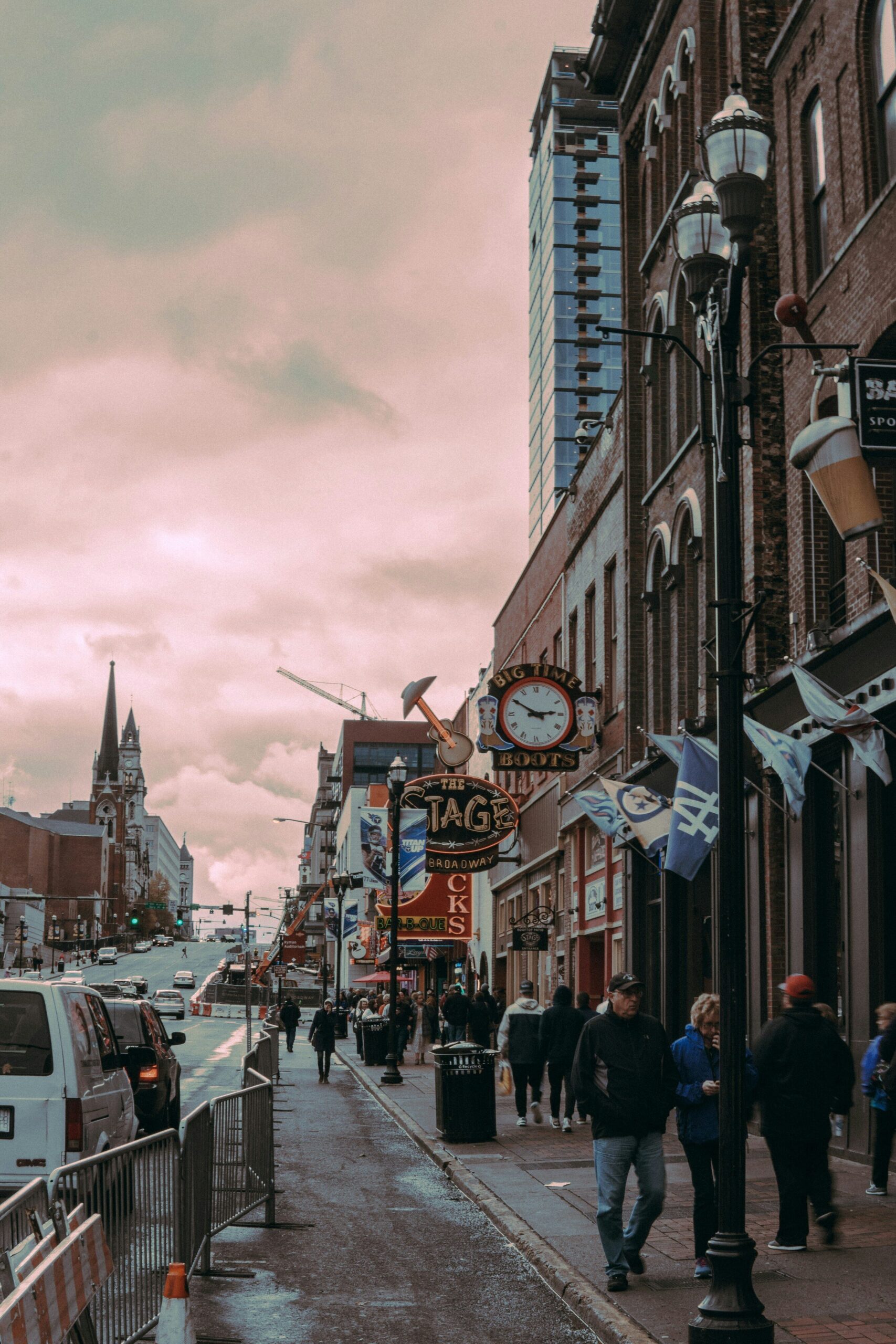
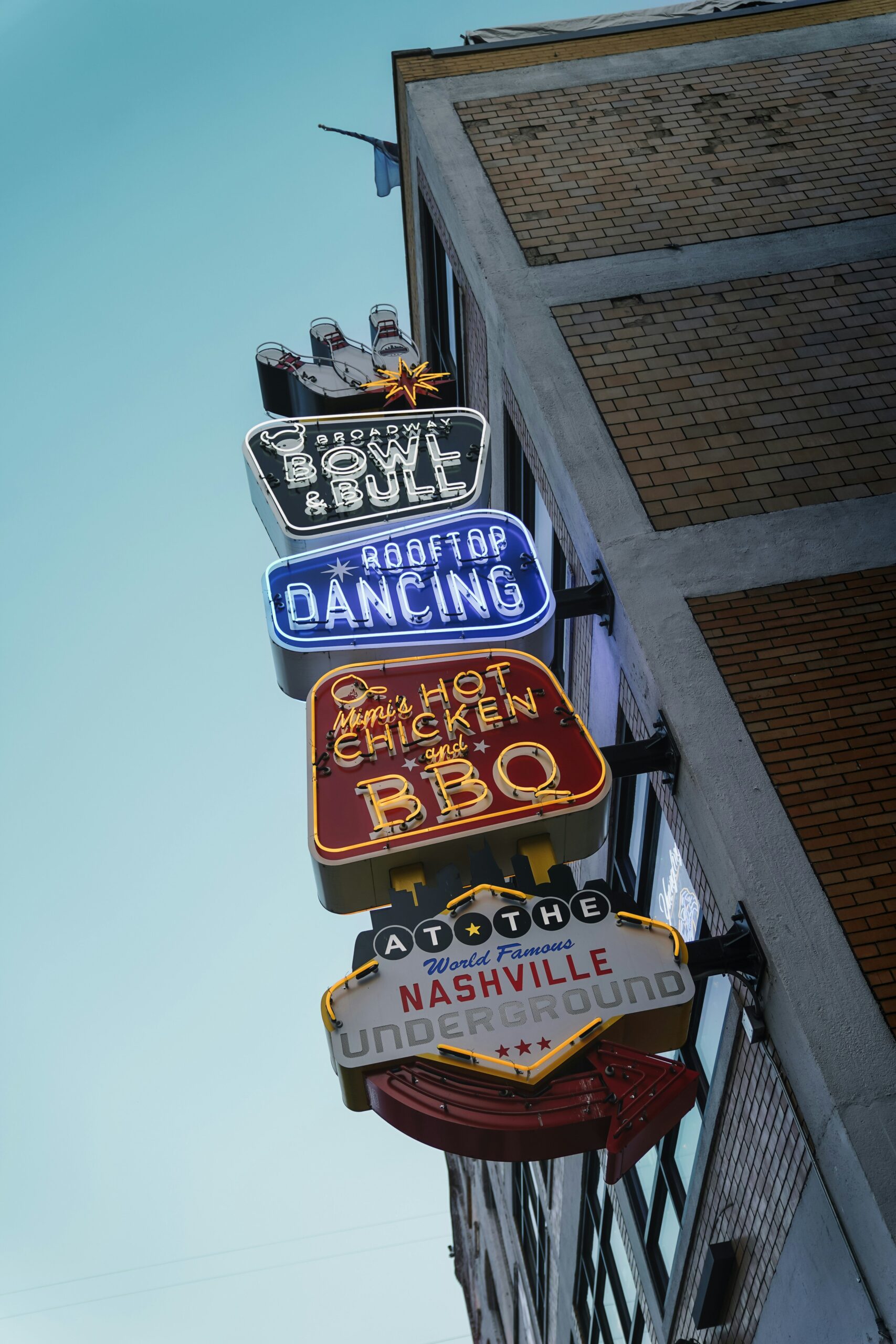
Nashville’s character changes from one neighborhood to the next. Downtown is the city at its most exuberant: neon signs, rooftop bars and the honky-tonks of Lower Broadway, where live music spills through open doorways from morning until late at night. It is loud, unapologetic and inseparable from the popular image of Music City.
But it does not end at Broadway. Across the Cumberland River, East Nashville has developed a more independent creative identity, shaped by musicians, artists and locally owned businesses. In 12South, boutiques, cafés and restaurants line a compact, walkable neighborhood, while historic Germantown brings together restored architecture, the Nashville Farmers’ Market and some of the city’s most recognized restaurants. Each area offers a different tempo and another perspective on a city that has expanded far beyond its traditional musical center.
Food provides another way into Nashville’s personality. Hot chicken may be its most famous culinary export, but the city’s traditions also include barbecue and the classic Southern “meat and three”: a choice of meat accompanied by three sides, often served without ceremony in long-established neighborhood restaurants. At the same time, a new generation of chefs is bringing more contemporary interpretations of Southern cooking to the city.
Like its music, Nashville’s food is rooted in memory, family, and the spirit of place. Recipes evolve, new influences join the table, and dining rooms shine with a new polish, yet the essential pleasure remains as generous and communal as a chorus sung by strangers. In Nashville, a meal—like a song—doesn’t just carry a story; it serves it up, warm and unforgettable.
How to Listen to Nashville
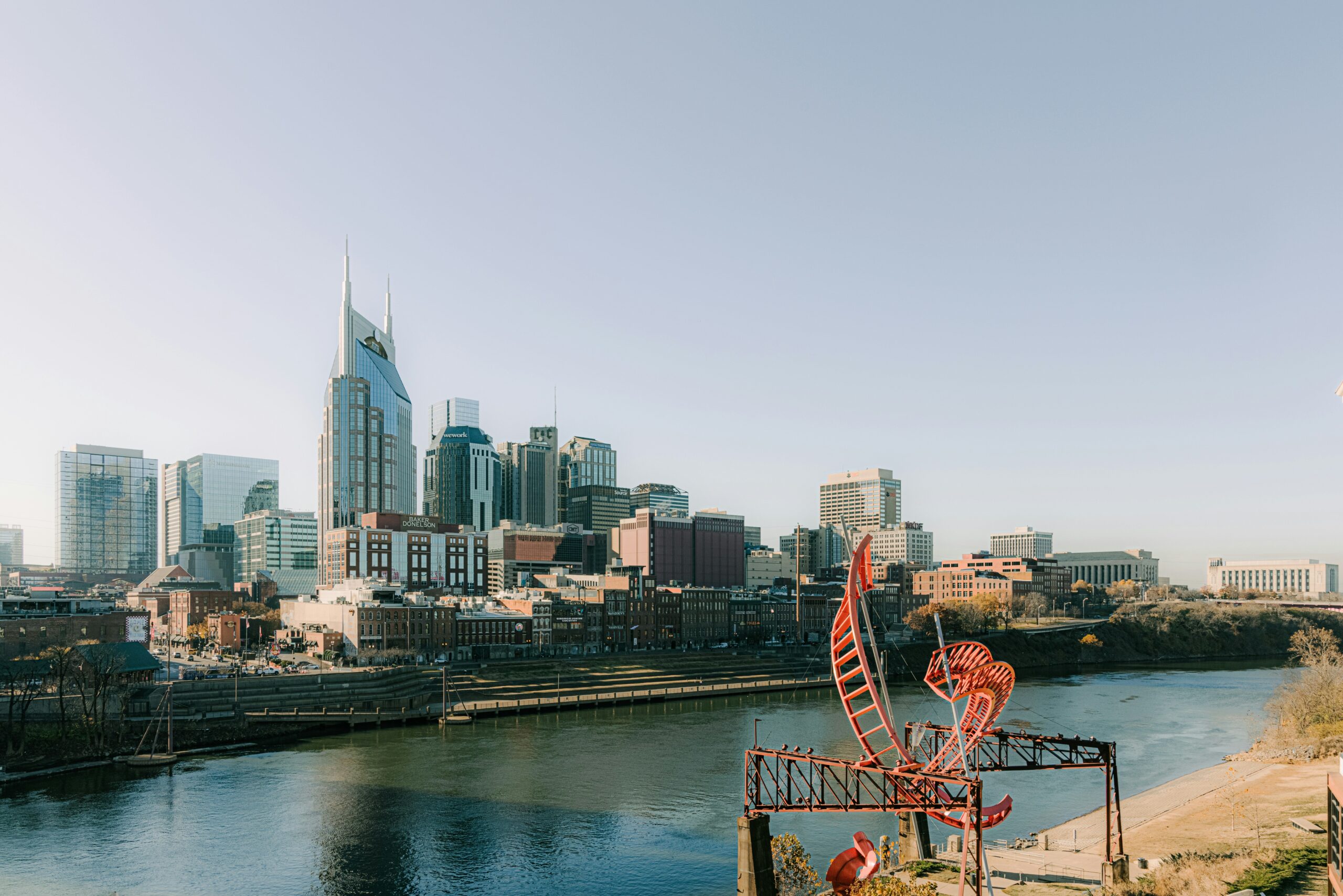
At the Bluebird Cafe, Nashville’s reputation as a city of storytellers becomes most tangible. Here, songwriters perform “in the round,” seated at the center of the room as they take turns sharing their work, accompanying one another and telling the stories behind the songs. The setting is intimate and unembellished, allowing the craft itself to take center stage. The Bluebird Cafe
To explore that history more deeply, the Country Music Hall of Fame and Museum traces the genre’s development through recordings, instruments, costumes and handwritten lyrics. From there, a tour of RCA Studio B leads into the room where Elvis Presley, Dolly Parton, Waylon Jennings and many others recorded music that would travel far beyond Nashville. Nearby, Hatch Show Print continues to create its distinctive letterpress posters using vintage type and hand-carved imagery—a reminder that the visual language surrounding music has its own cultural legacy.
The Ryman Auditorium offers something different again. Even without a performance, the building carries the weight of all that has happened on its stage. With its wooden pews and origins as a tabernacle, it retains an atmosphere closer to a place of gathering than a conventional concert hall. To attend a show there is to experience Nashville’s musical past and present occupying the same room.
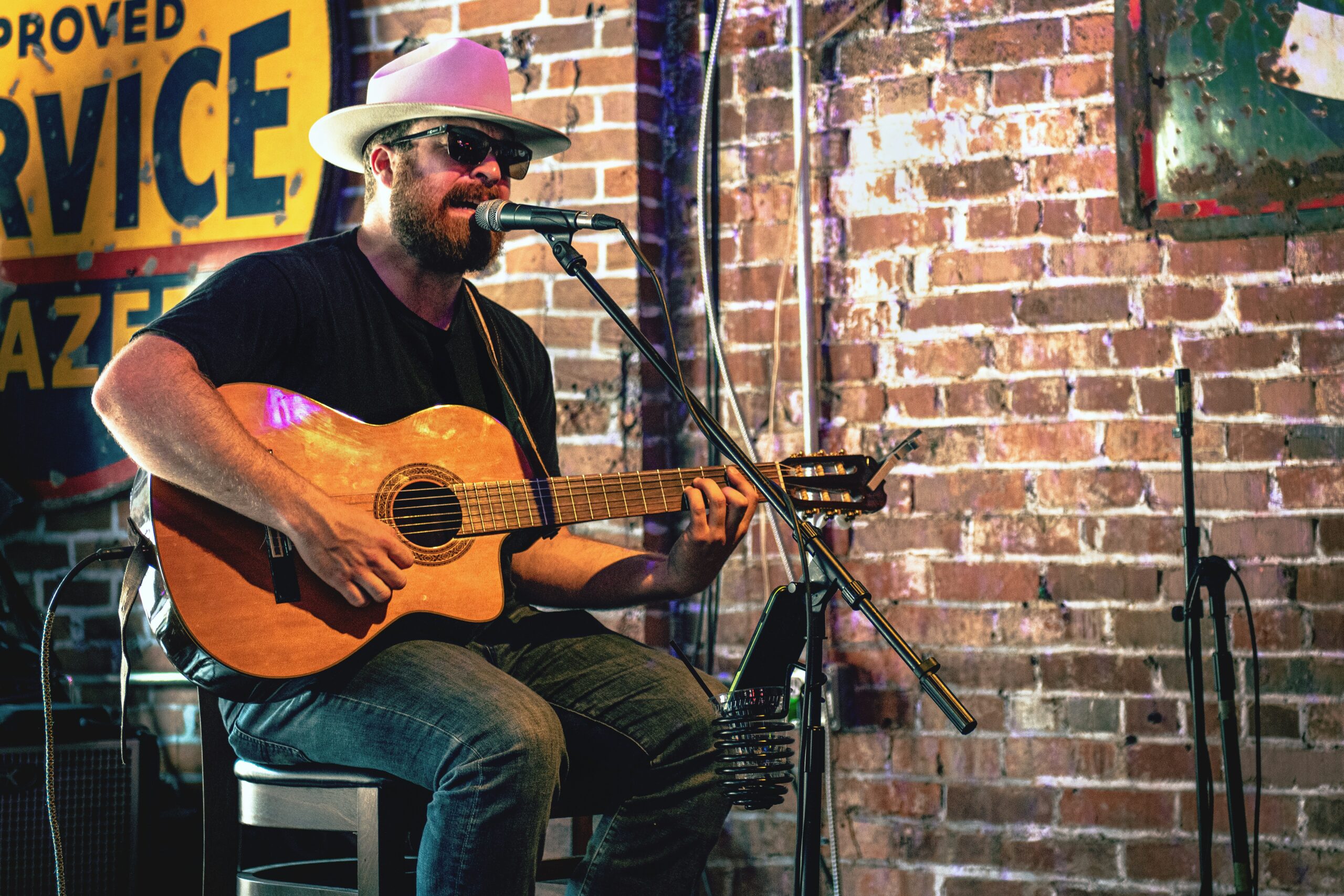
The Grand Ole Opry presents country music on a larger scale. First broadcast in 1925, it continues to bring established names and emerging performers onto the same program, preserving the tradition of a live radio show while allowing new voices to enter its history. The experience is as much about continuity as it is about celebrity. Each artist steps into a story that began long before them and will continue after they leave the stage.
On Lower Broadway, bands perform throughout the day and into the night inside a succession of neon-lit honky-tonks. It may be the city at its most commercial and theatrical, but it is also part of its personality—spontaneous, sociable and fuelled by the possibility that the unknown musician onstage could be at the beginning of something much bigger.
Nashville reveals itself in contrasts: the hush between a songwriter and a guitar, the electric hum of a historic stage beside the clamor of a crowded bar; songs lovingly preserved in museums and verses still ink-wet and raw. To listen to only one note would be to miss the city’s full symphony.
Beyond the Soundtrack
Music may be Nashville’s most recognizable language, but it is not its only expression of creativity. The Frist Art Museum occupies the city’s former main post office, a 1930s Art Deco landmark that now hosts a changing program of local, national and international exhibitions. Away from the energy of downtown, Cheekwood Estate & Gardens offers a quieter perspective, bringing together botanical gardens, sculpture and art across the former Cheek family estate.
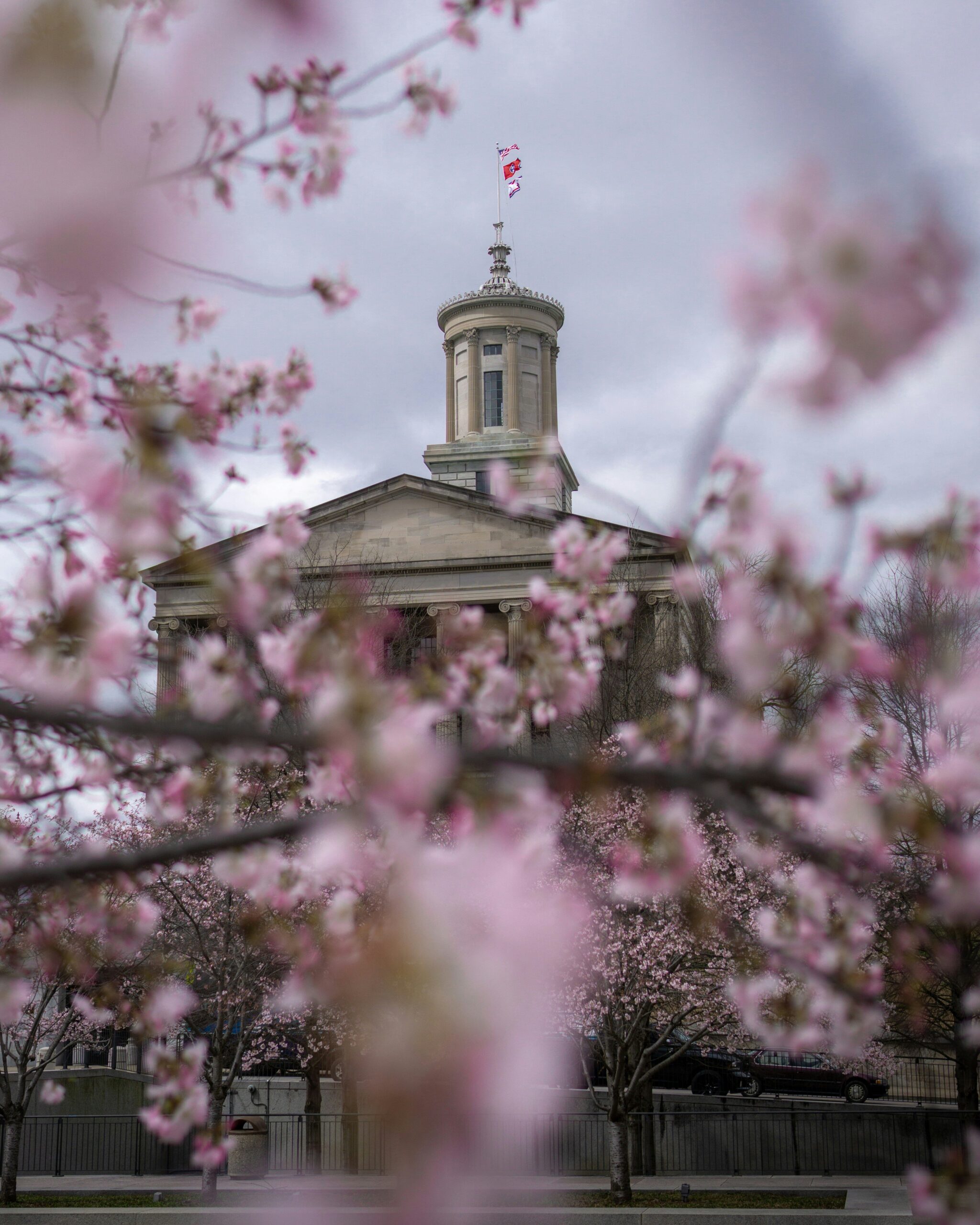
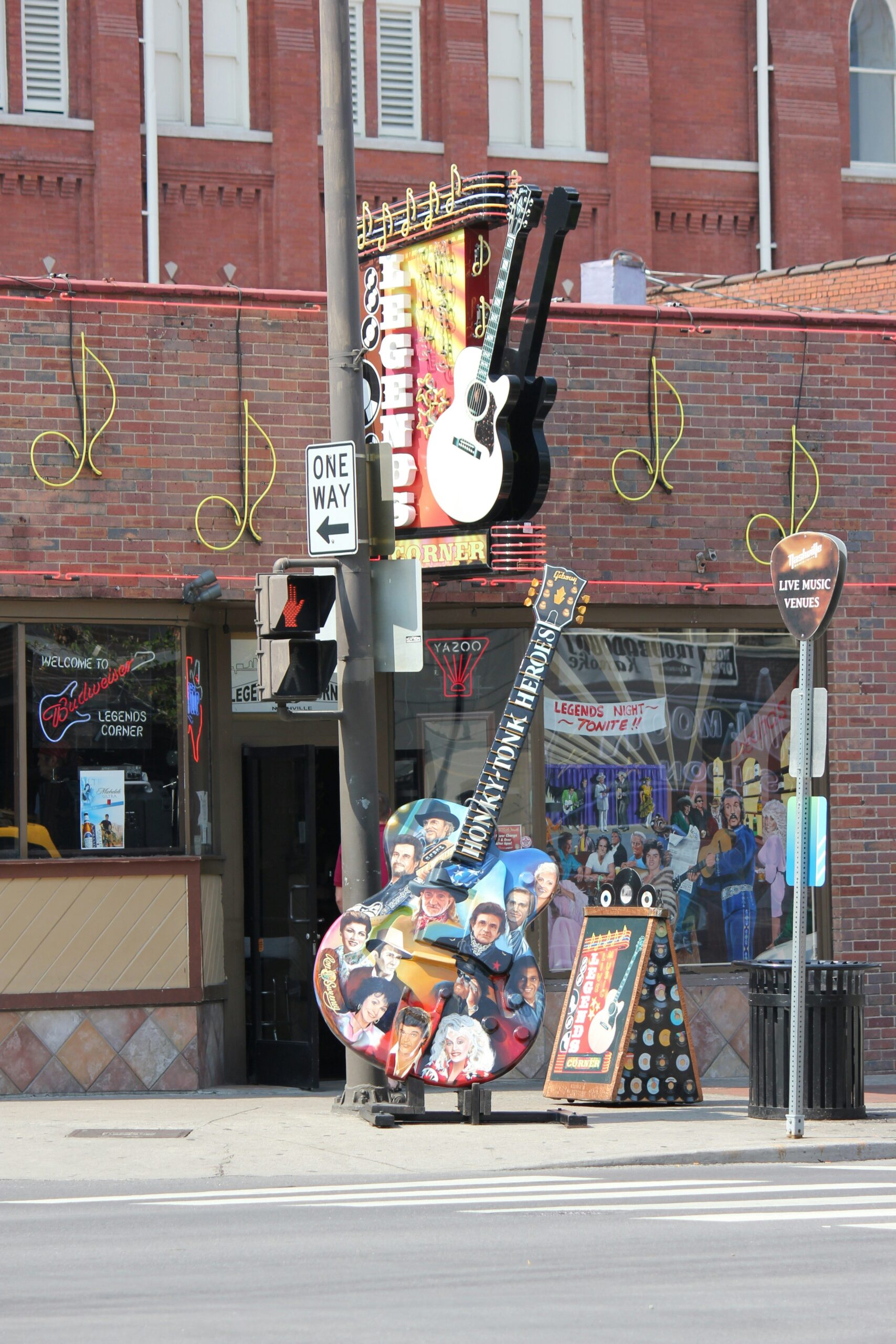
Centennial Park introduces a more unexpected landmark: a full-scale reproduction of the Parthenon, originally created for Tennessee’s 1897 Centennial Exposition. Set within one of Nashville’s principal green spaces, it reflects the city’s long-standing reputation as the “Athens of the South.” Together with the Cumberland River, which curves past the glass towers and illuminated stages of downtown, these places reveal a Nashville shaped not only by music but also by art, history, landscape, and an enduring instinct for reinvention.
Staying in the Story
Where one stays can shape the experience of Nashville. Downtown places the Ryman, Lower Broadway, and several major museums within easy reach, while neighborhoods farther from the center offer a quieter, more residential sense of the city.
For history, The Hermitage Hotel has been part of Nashville life since 1910. Its past reaches beyond hospitality: in 1920, its rooms and public spaces became a meeting ground for campaigners, politicians and lobbyists during Tennessee’s decisive debate over the ratification of the 19th Amendment, which secured American women’s constitutional right to vote. Today, the hotel combines that history with a more contemporary interpretation of Southern elegance.
Noelle offers another perspective on the city’s past. Set inside a restored 1930s building close to Printers Alley and Broadway, the hotel preserves original Tennessee marble, terrazzo floors and Art Deco details while drawing on the work of local artists and makers.
For a more modern expression of the city, 1 Hotel Nashville brings natural materials, greenery, wellness, and sustainability to the center of downtown. Its design takes inspiration from the Cumberland River Valley, providing a visual counterpoint to the neon and performance spaces outside. 1 Hotel Nashville
The choice is ultimately one of rhythm: close to Broadway’s constant movement, within one of the city’s creative neighborhoods, or somewhere that offers a retreat between performances.
A Story Still Being Written
Perhaps Nashville’s fascination lies in its ability to make creativity feel both extraordinary and entirely everyday. Songs are written in ordinary rooms before traveling around the world. Musicians perform to a handful of listeners one evening and step onto legendary stages the next. History is preserved, but it is never allowed to become static.
The city honors the names that shaped its past while continuing to make space for those who have only just arrived. That tension—between tradition and ambition, memory and reinvention—is what keeps Nashville from becoming simply a monument to country music.
I have always been drawn to destinations with a story to tell. In Nashville, you don’t just hear the story—you become part of the chorus, helping to write the next verse.




Leave a Reply