




OUT OF AFRICA STORIES
One Continent, Many Worlds
Across Africa, landscapes and cultures unfold in extraordinary diversity. From ancient cities and desert horizons to remote islands and vast wilderness, the continent holds stories that reach far beyond the map.
Out of Africa Stories explores these places — journeys into landscapes, cultures, and histories that reveal the many faces of a continent where every journey becomes a story.
Africa gives you the knowledge that man is a small creature, amongst other creatures, in a large landscape. Doris Lessing
A patch of grassland, still wet from the night’s rain, catches the morning light in the Serengeti. On Zanzibar, the tide pulls back to reveal the lines where seaweed farmers work. These two scenes frame a journey through Tanzania, from the plains where the great migration follows the rains to Stone Town, where centuries of trade have left their mark on the architecture and music of the Swahili coast.
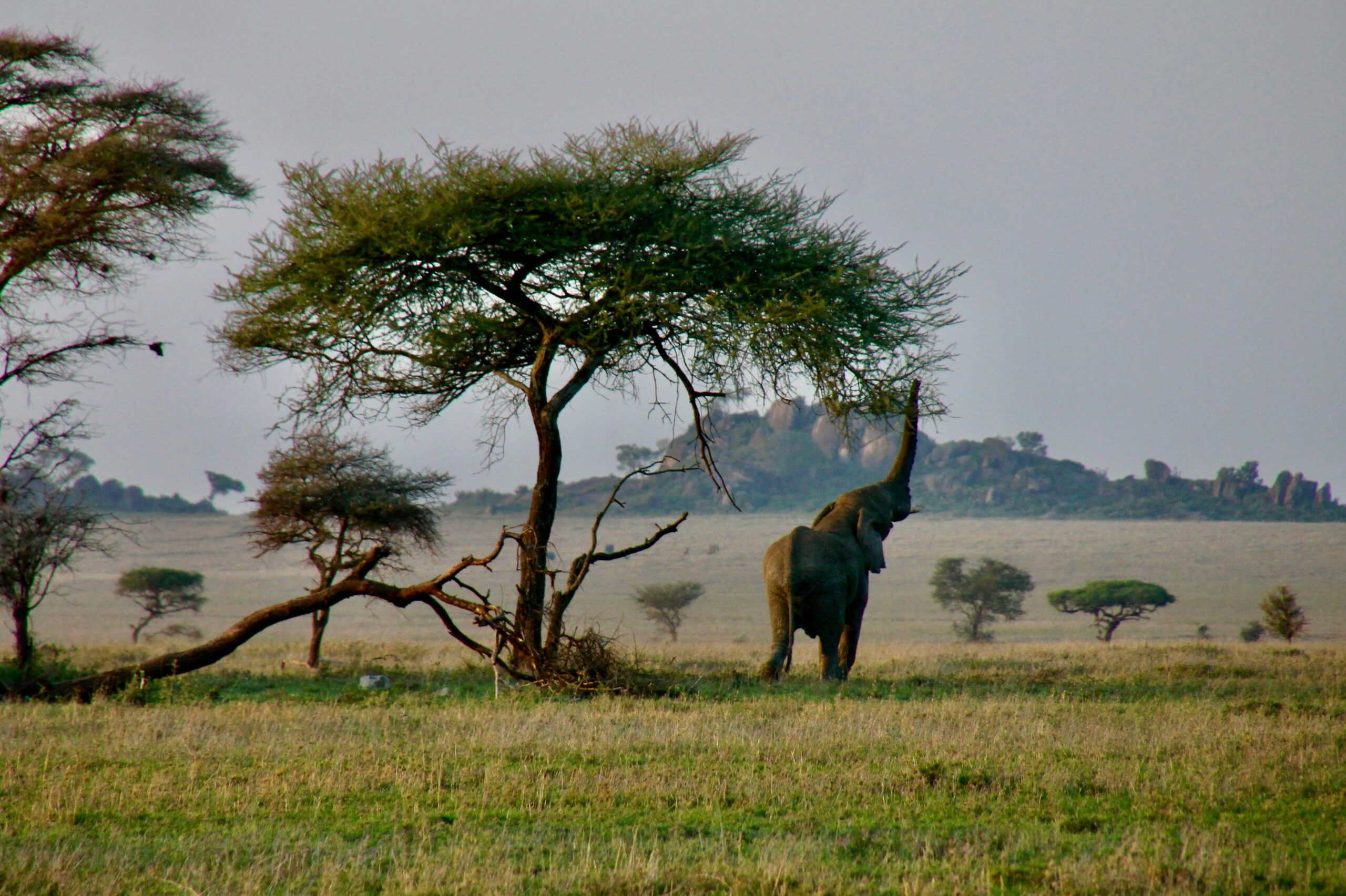
The scale of the Serengeti is apparent long before a herd comes into view. There is the distance between one outcrop and the next, the way a passing shower can darken a stretch of grassland while the rest of the plain stays bright, and the time it takes for a movement on the horizon to resolve into animals.
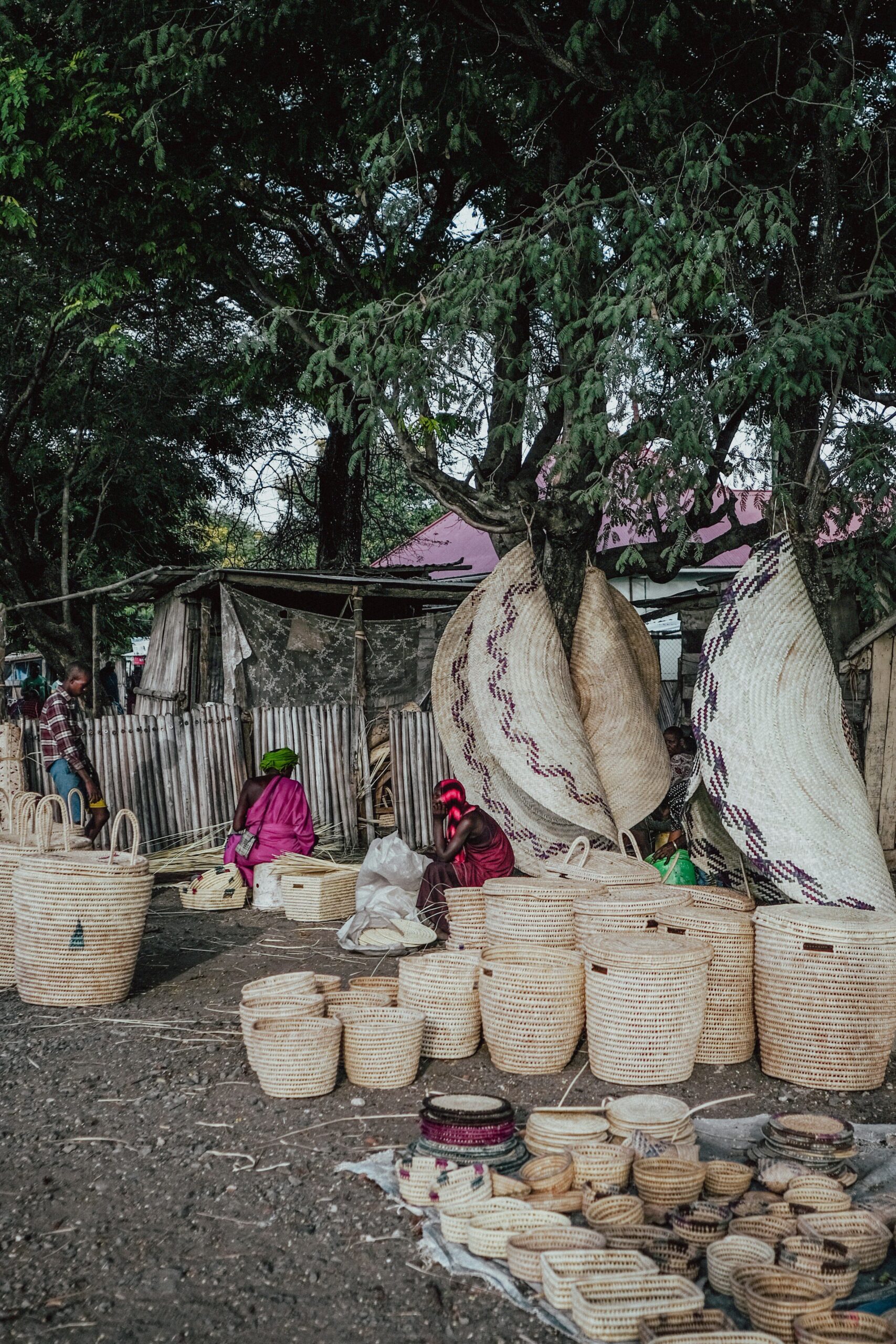
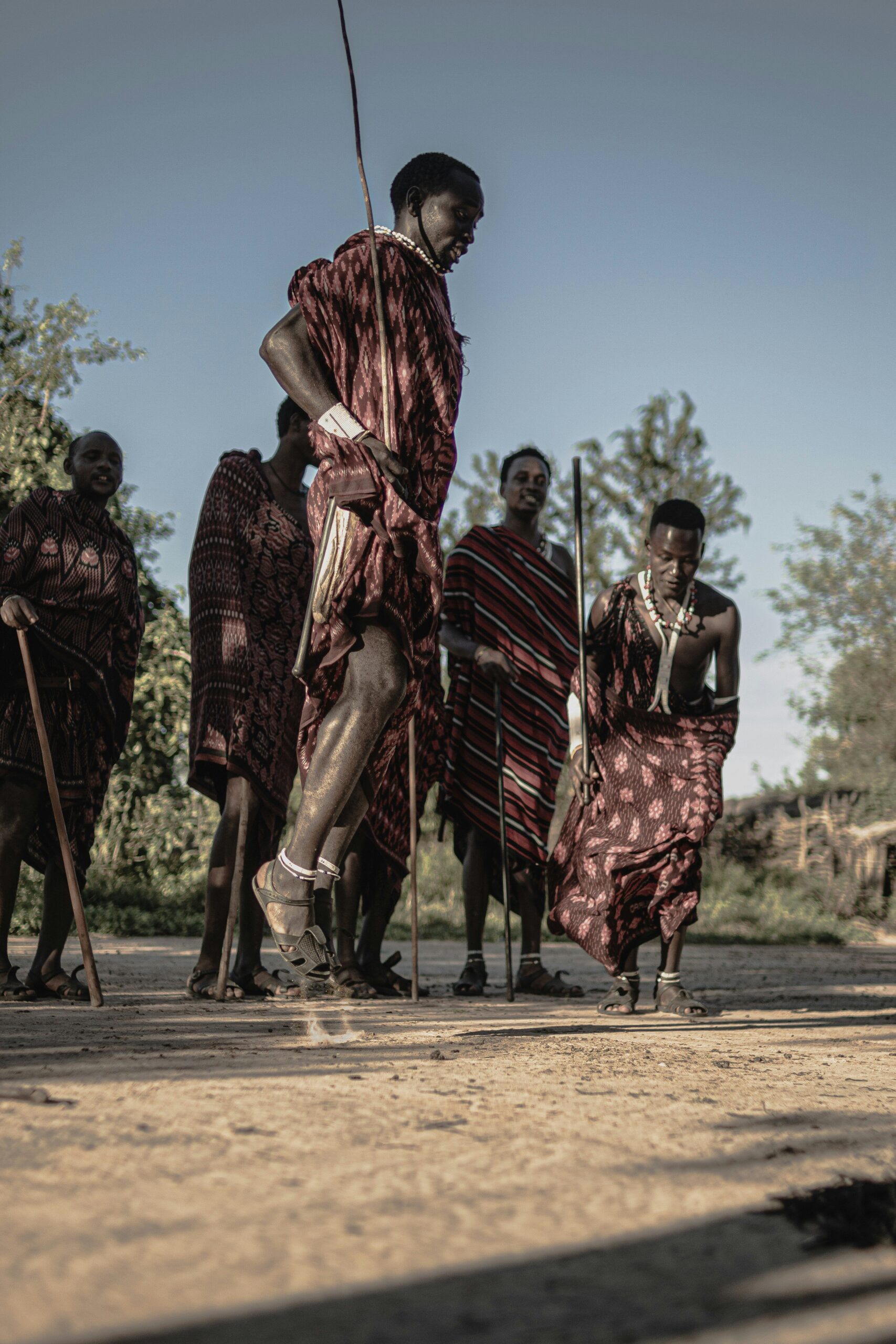
The plains in motion
The great migration is often pictured as a river crossing, with wildebeest gathering on a bank before the first animals plunge in. Much of the journey is quieter. Herds spread out to graze, gather again, and move in search of pasture and water. Wildebeest travel alongside zebras and gazelles through an ecosystem that extends into Kenya. A crossing is one moment in that longer circuit, shaped by where rain has fallen and where grazing is available.
That uncertainty is part of what makes time in the Serengeti rewarding. You can learn to read the landscape with the help of a guide, who could spot the promise of fresh grazing in a distant shower or pause to consider the tracks crossing the road. Even a grazing herd changes character when you spend long enough to see how far it spreads and how slowly it moves across the plain.
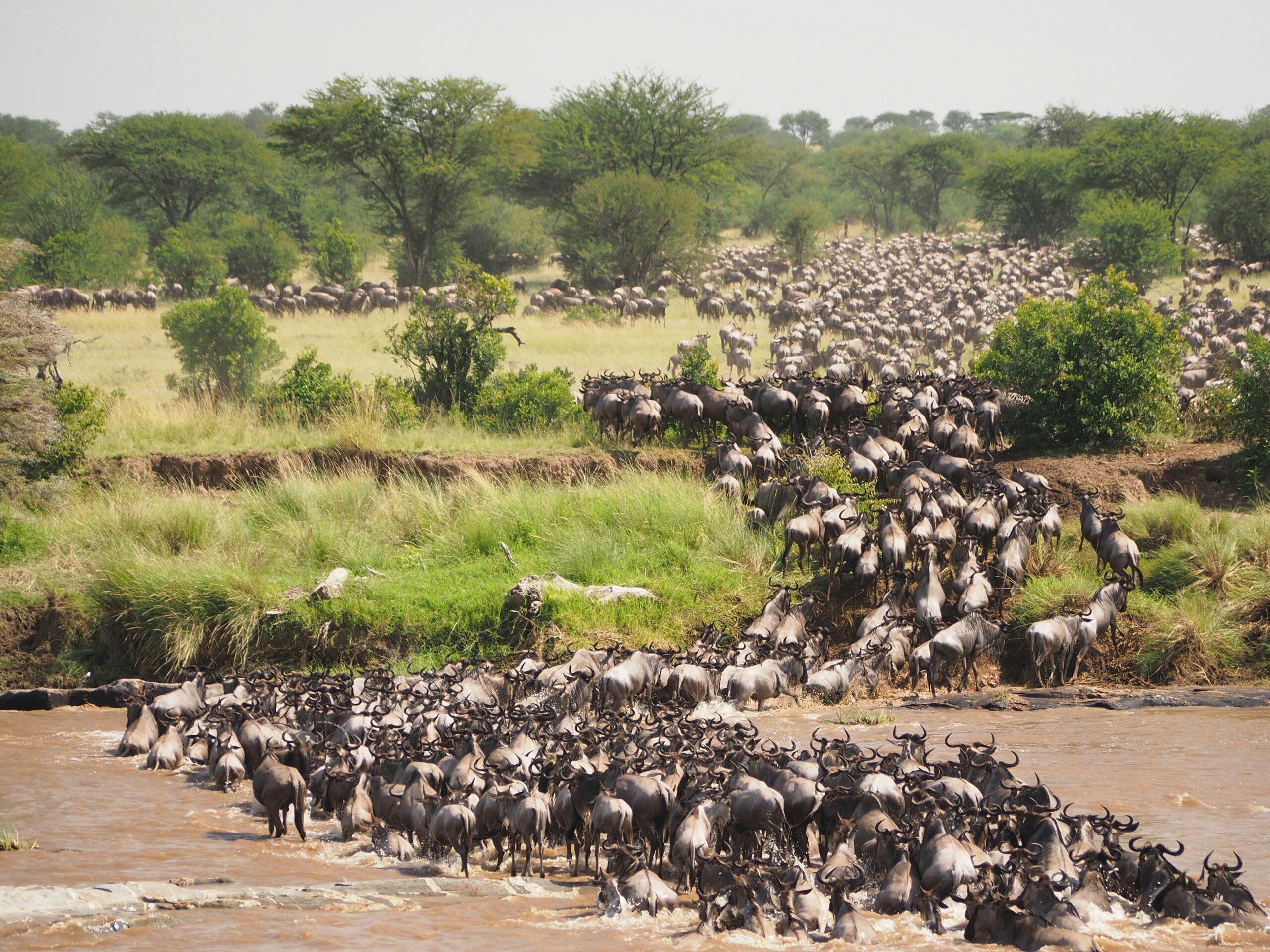
When planning a safari, ask a local guide which part of the Serengeti they’d choose for your dates and what they’d look for there. Calving generally takes place on the southern plains around Ndutu from January to March. Farther north, July to September is a good window for the Mara River crossings. Rainfall and grazing influence where the herds go, so a guide’s reading of current conditions can help you decide where to stay.
For another perspective on safari in East Africa, explore how conservation shapes the experience in Laikipia, Kenya's Quiet Frontier of Conservation and Luxury
Stone Town and the world across the water
In Stone Town, on Zanzibar’s main island of Unguja, the Indian Ocean is part of the city’s history. For centuries, connections with the Arabian Peninsula and the Indian subcontinent helped shape this East African port. Walk inland from the waterfront, and that history comes down to the scale of a doorway. Carved timber doors open onto narrow lanes, while balconies project over streets where neighboring buildings stand close enough to shade the walk below. The architecture records the exchanges which shaped a distinctly Swahili city.
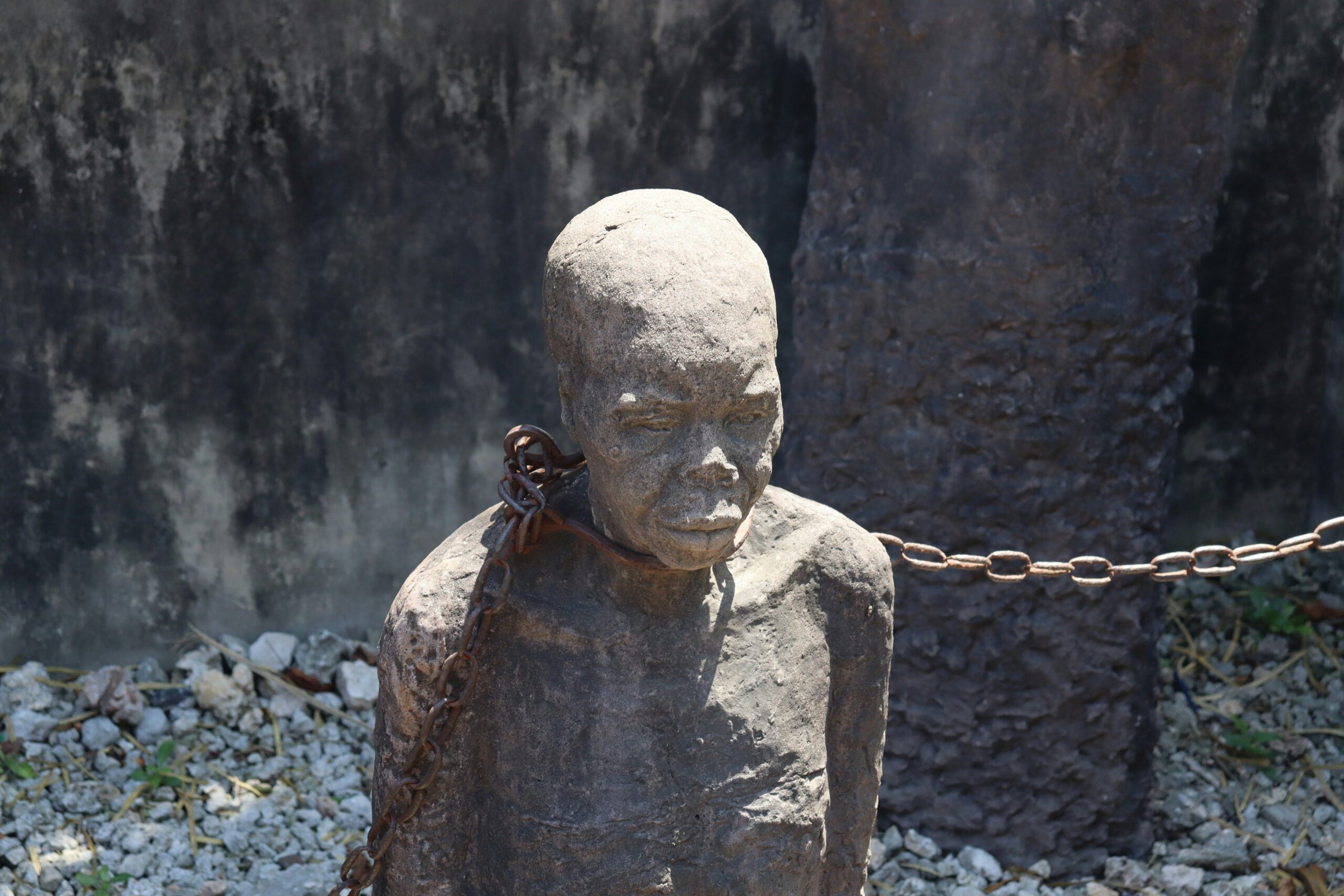
The same trading networks also carried enslaved people. Zanzibar was a major center of the East African slave trade, and the former slave market deserves time of its own. A visit brings into focus the human cost of the trade that helped build the port’s wealth and changes how you see the waterfront and its merchant houses.
Listening to Zanzibar
Later in the day, seek out a taarab performance. Closely associated with weddings and celebrations in Zanzibar, taarab is a form of Swahili musical expression in which the words matter as much as the melody. If you are in Stone Town, check the evening schedule at the Dhow Countries Music Academy, where live performances are sometimes held. You can also ask at local hotels or coffee houses for announcements about taarab nights or upcoming events. Listen for the interplay between the voice and the instruments. The poetry is part of what makes the music such an intimate way into the island’s social life.
At the Dhow Countries Music Academy, musicians teach younger performers and document older repertoires. That work gives the tradition a place in the present. If you have time, consider asking about the Swahili lyrics or the history behind a particular song—many performers are happy to share context that enriches the listening experience. The same city that rewards close attention to a carved door or a shaded balcony also rewards time spent listening to the people who carry its music forward.
Where the tide goes out
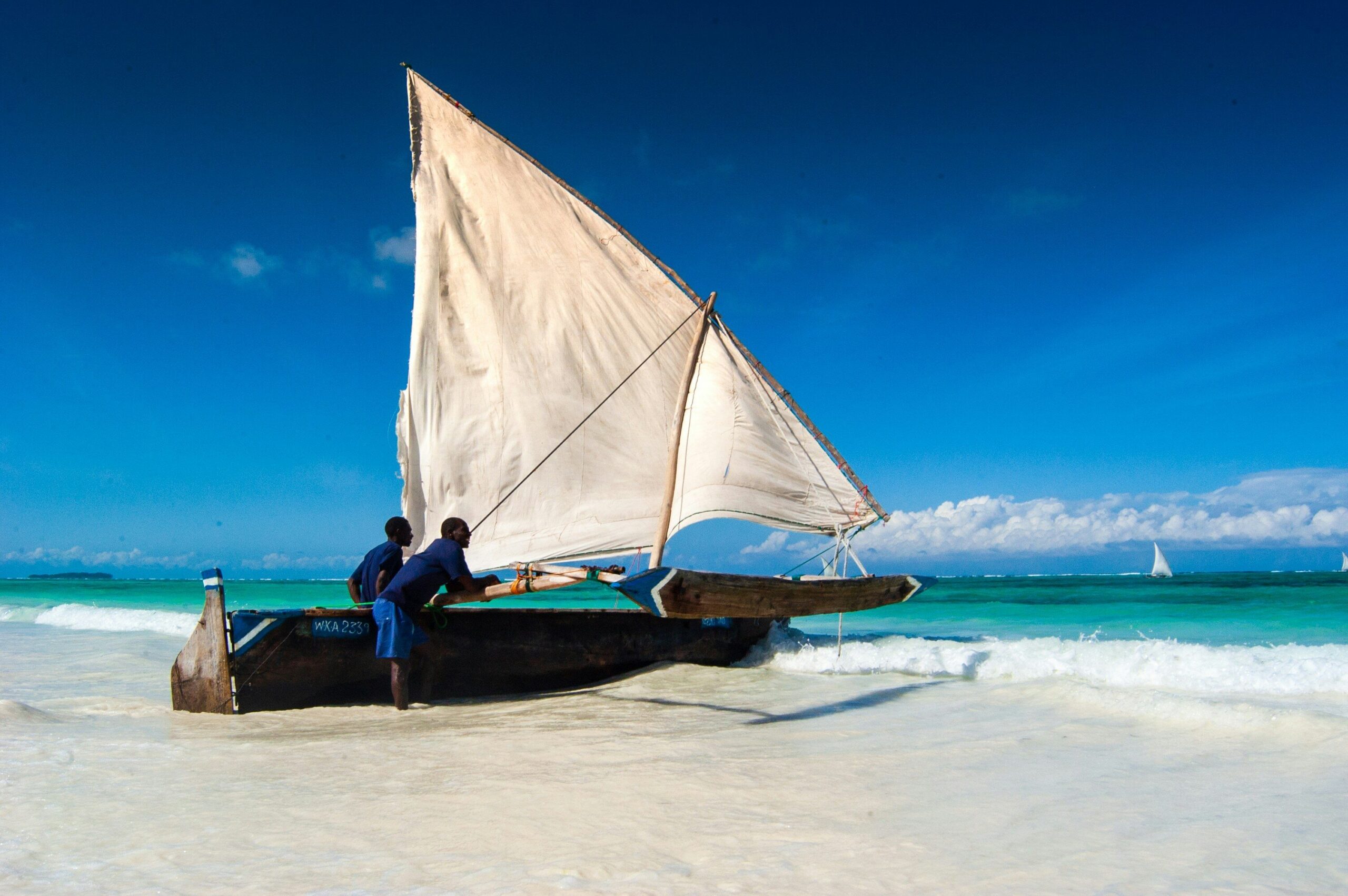
Beyond Stone Town, the Indian Ocean sets the hours for a different kind of work. In the shallow waters off parts of Unguja and Pemba, seaweed farming supports coastal households, with women making up much of the workforce. On intertidal farms, seaweed grows on lines fixed in the shallows. As the water retreats, farmers walk out to tend or harvest their crop. From the beach, the rows are almost invisible until the tide has gone far enough.
If you are interested in seeing this work up close, some seaweed farms on both Unguja and Pemba do welcome visitors as part of community-based tours. You can arrange a visit through local tour operators or hotels, who can connect you with trusted guides or women’s cooperatives. Guided walks usually take place at low tide, when it is possible to reach the farms, and they offer a chance to learn directly from the farmers about their techniques and the role seaweed plays in local livelihoods. Visit with sensitivity and respect, following the lead of guides and hosts, and ask before taking any photographs. It is customary to dress modestly when visiting coastal villages. These visits also provide insight into the challenges of sustainable coastal livelihoods, including the effects of climate change on seaweed farming.
It’s worth making time for both Stone Town and a stretch of coast where you can see the same shoreline at different hours. At high tide, the water can look like a single stretch of blue. Come back when it has receded, and channels, pools, and rows of seaweed come into view. A few days earlier, you might have watched a patch of Serengeti grassland until a distant movement resolved into animals. Here, the tide does the revealing.







Leave a Reply