




Inside a former Baptist headquarters at the heart of London, Jacques Garcia has conjured a world of velvet, gilt, and theatrical imagination—where history sets the stage and every detail plays its part.
From Southampton Row, L’Oscar London offers only the faintest hint of the world within. Its dignified façade belongs effortlessly to Bloomsbury, a neighborhood shaped by literature and generations of independent thinkers. But cross the threshold, and the city’s restraint dissolves—yielding to a flair for theatre and seduction.
Light shivers across mirrored surfaces; the air hums with the scent of polished wood and warm leather. Velvet hushes footsteps, while birds, butterflies and peacocks appear and vanish at the edge of vision. Gold flickers against jewel-toned walls, casting the whole scene in a perpetual dusk. It feels less like stepping into a hotel, more like slipping through a seam in the city—a threshold into somewhere dreamlike, ruled by its own secret logic. L’Oscar does not whisper its intentions; it beckons, bold as desire itself.
From Sacred Space to Sensual Escape
The building’s transformation is central to its fascination. Constructed between 1901 and 1903 in what has been described as Edwardian Free Baroque style, it originally served as the Baptist Church's London headquarters. Its architecture combined Arts and Crafts detail with ornate plasterwork, carved fireplaces, oak paneling, and finely worked decorative plaques.
At its heart stood an octagonal chapel, created for worship beneath a glass-topped dome. Elsewhere, original biblical Royal Doulton terracotta panels spoke of the building’s spiritual purpose.
Time was not always kind. Part of the fifth floor was damaged during the Second World War, and as the congregation diminished, the building eventually ceased to function as a church. London Transport later took it over before restoration began in 2012.
Its revival required more than preservation. The challenge was to respect the building's architectural memory while allowing it to assume an entirely different identity. The result is a rare metamorphosis: a former place of restraint transformed into a celebration of pleasure, without erasing the history held within its walls. It’s an irony Oscar Wilde might have savored—a former house of worship become a temple to pleasure.
A hotel is a theatre — a stage where performances of the utmost quality are played out, and every detail is crafted for the pure enjoyment of its guests. Jacques Garcia
The Alchemy of Jacques Garcia
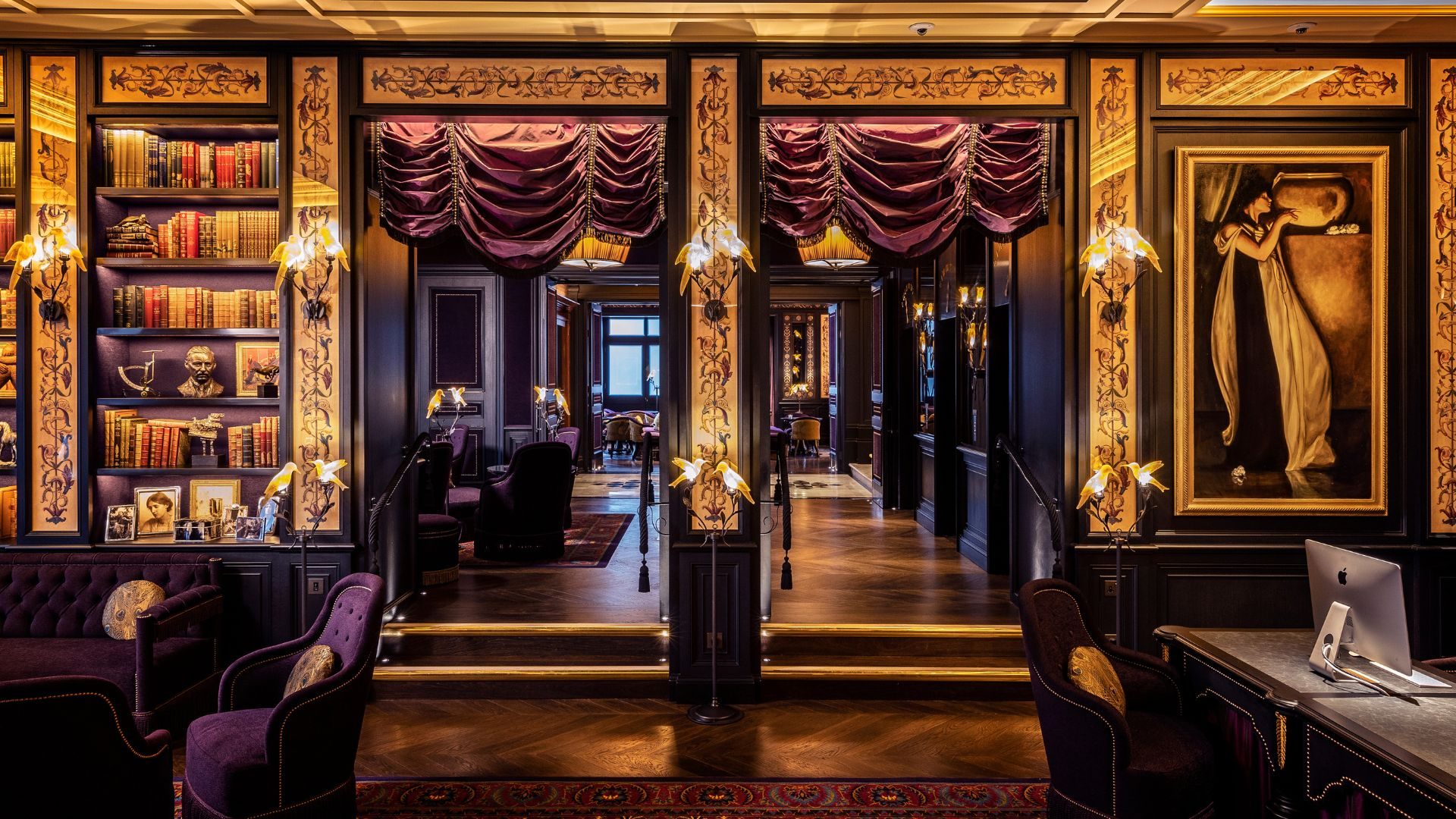
Charged with giving the building its new life, French designer Jacques Garcia approached L’Oscar as pure theatre.
Garcia’s work appears in some of the world’s most atmospheric hotels, including La Mamounia in Marrakech and Hôtel Costes in Paris. His interiors rarely concern themselves with minimalism or conventional good taste. They are immersive, layered and emotionally charged—designed to be experienced rather than merely admired. At L’Oscar, he found a building that could carry the full force of his imagination. “A hotel is a theatre,” Garcia has said, “a stage where performances of the utmost quality are played out, and every detail is considered for the enjoyment of its guests.”
Here, that philosophy becomes tangible. The original architecture provides the stage; Garcia supplies the scenery, lighting and intrigue. Nothing feels arbitrary. Colors, textures, and objects are composed to create moments of discovery, from stylized peacocks and theatrical Venetian masks to butterfly-wing taps and hollow-stemmed Champagne coupes. A chandelier descends through seven floors of the original staircase, drawing the eye upward through the heart of the building. Elsewhere, mirrored surfaces multiply light and movement, creating fleeting reflections as guests pass through the hotel. The effect is opulent, but never static. There is wit beneath the grandeur and something slightly mischievous behind the beauty.
Parisian Allure with a Wicked Twist
Although rooted in a profoundly English building, L’Oscar possesses an unmistakably Parisian sensibility. It shows in the deep colors, the flattering light, the intimacy of its rooms, and the suggestion that something interesting might happen after dark.
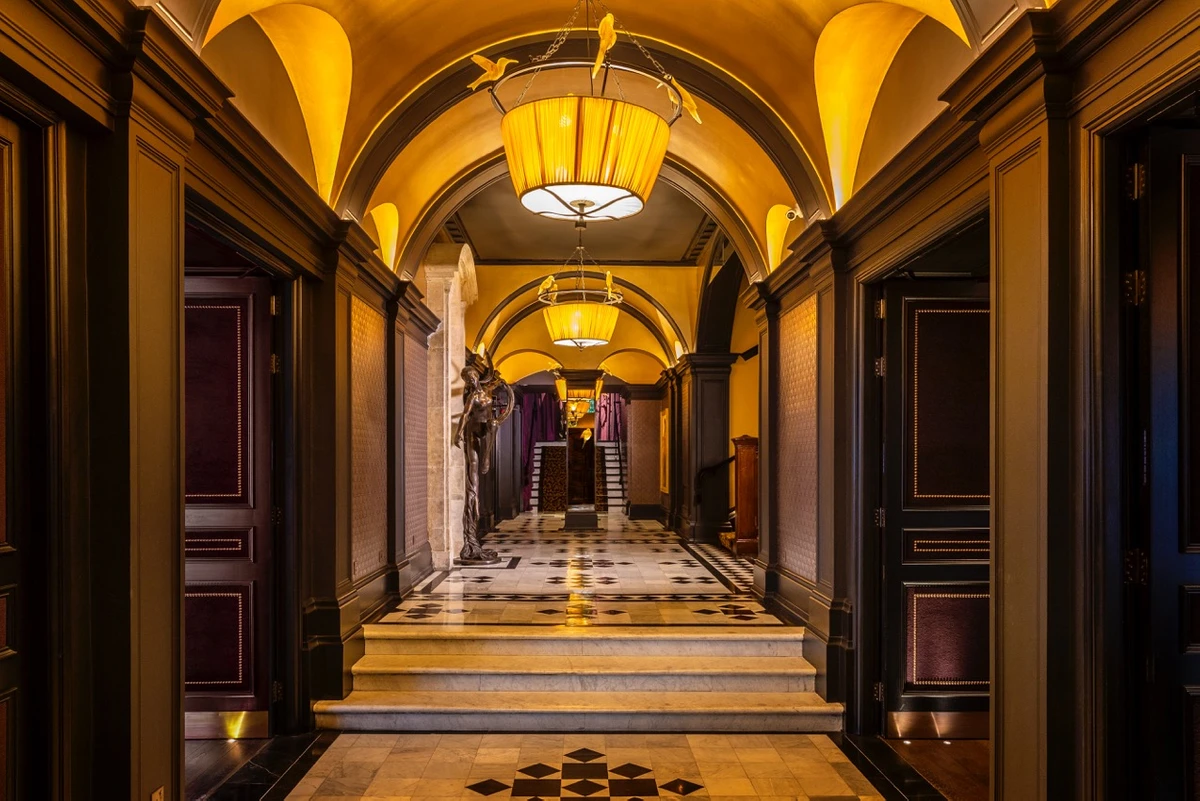
This is not the pale, polished luxury of immaculate surfaces and anonymous spaces. L’Oscar’s beauty comes from abundance: velvet-draped walls, leather, gilding, sculptural lighting and an eclectic collection of artworks and decorative objects. Yet the hotel’s appeal lies not only in what can be cataloged. It rests in the atmosphere created when all those elements come together—the glow of the bar in the evening, the quiet drama of a corridor, the pleasure of noticing a detail that might easily have been missed. Garcia’s interiors invite curiosity. They ask guests to look again.
Rooms with Individual Character
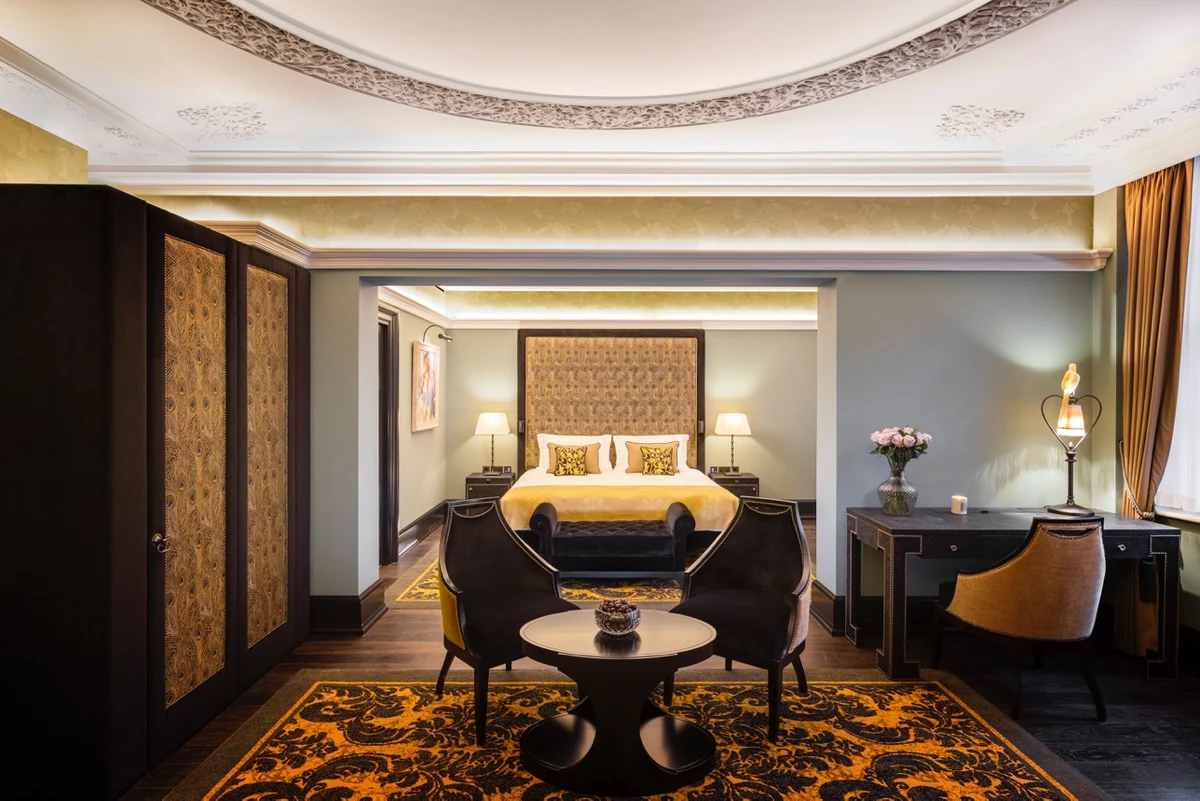
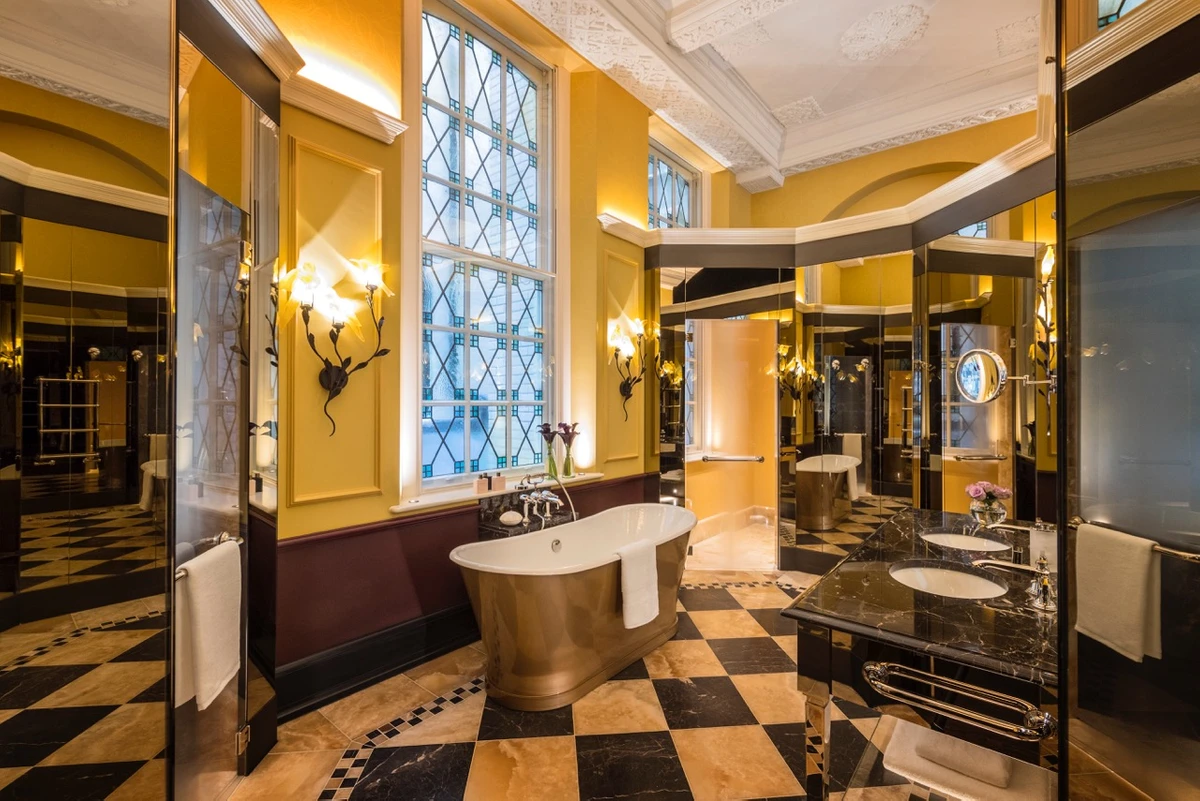
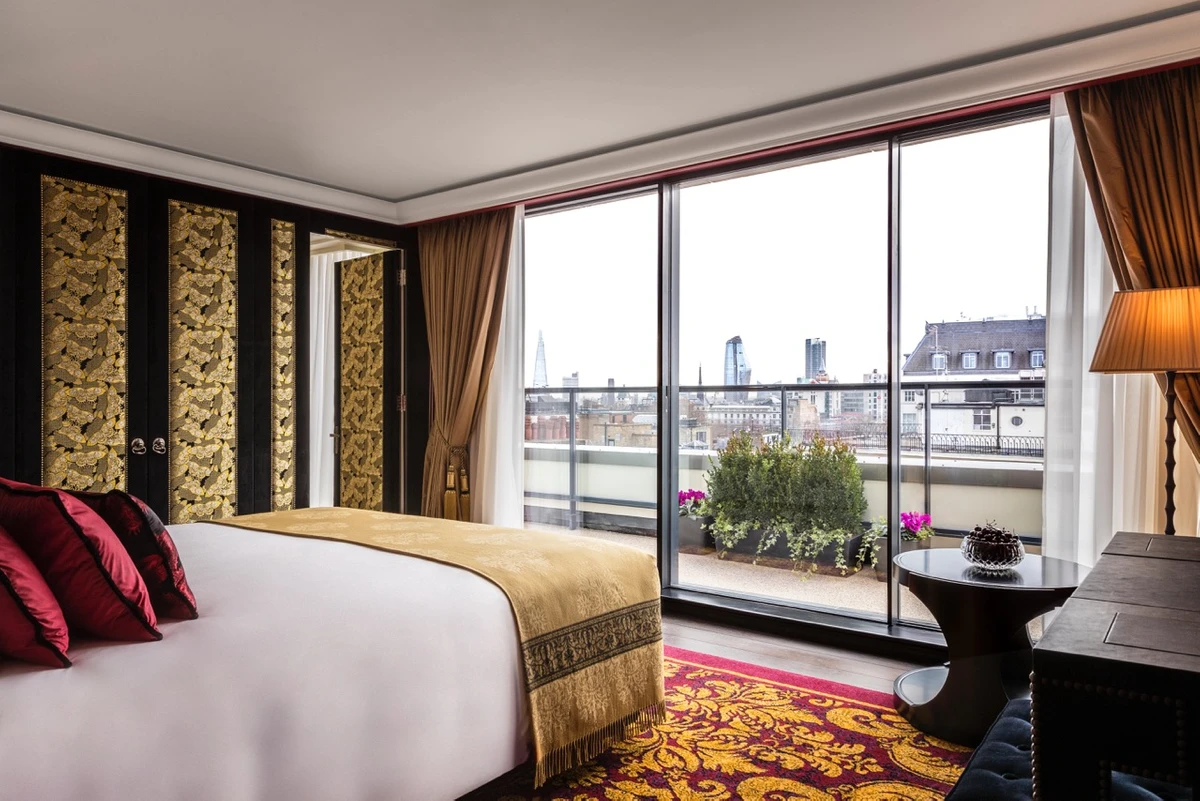
With only 39 rooms and suites, L’Oscar retains the intimacy of a boutique hotel while embracing the visual language of something much grander. Each room has been individually designed, responding to the proportions and surviving details of the historic building. High ceilings and generous windows create a sense of space, while original oak paneling, carved plasterwork and fireplaces appear alongside Garcia’s richly layered interiors.
Velvet, leather and jewel-toned fabrics cocoon each room, while birds and butterflies slip through the décor like half-remembered dreams. It’s not entering a mere hotel bedroom, but receiving the key to a private, delightfully eccentric London sanctuary. The experience changes from room to room. Some possess the drama of the building’s original architectural features; others lean more fully into Garcia’s world of pattern, texture and theatrical romance. What connects them is an attention to atmosphere—a belief that a room should create an emotional response rather than merely provide comfort.
The Baptist: History at the Heart of the Hotel
The building's most powerful expression of its former life is The Baptist, the restored octagonal chapel at the heart of L’Oscar. Beneath its dome, the architecture still carries a sense of ceremony. The space has changed purpose, yet it has not lost its ability to draw people together. The former chapel now hosts private dinners, celebrations and events, its ecclesiastical past forming an extraordinary backdrop to contemporary London life.
A mirrored bar occupies the lower level, reflecting the room around it in fragments of light. Above, the gallery looks down into the space, preserving something of the chapel’s original relationship between congregation and ceremony. It captures the central tension that makes L’Oscar so compelling: reverence and irreverence, history and reinvention, the sacred and the sensuous.
Dining as Performance
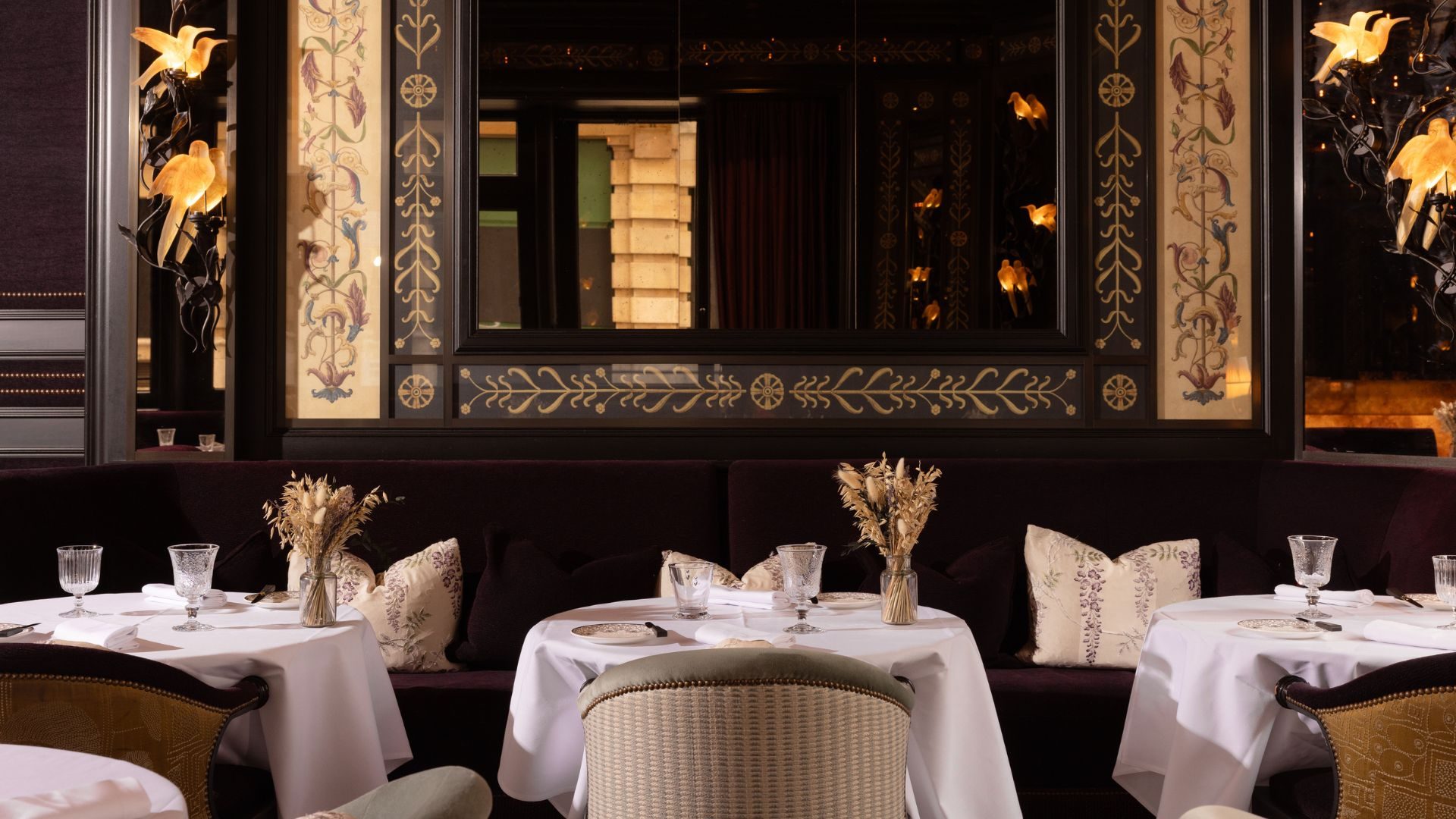
At L’Oscar Restaurant, dining continues the visual narrative. The illuminated onyx bar glows against mirrored ceilings, gilded panels, sumptuous fabrics and original artworks. The room evokes the intimacy of a Parisian salon, offering a retreat from the city's pace beyond its doors. Open throughout the day, the restaurant moves through different moods. Morning light softens its theatricality over breakfast; afternoon tea introduces a note of English tradition; by evening, the mirrors, gold, and deep colors become richer and more seductive.
The current menu blends Nikkei influences with European cuisine, pairing Japanese-Peruvian flavors with reinterpreted classics. Yet even here, the setting remains essential to the experience. At L’Oscar, a meal is never entirely separate from the room in which it is served.
A Hotel with a Literary Address.
The hotel’s name pays tribute to Oscar Wilde—a fitting presence for a property that embraces beauty, wit and a certain pleasure in excess.
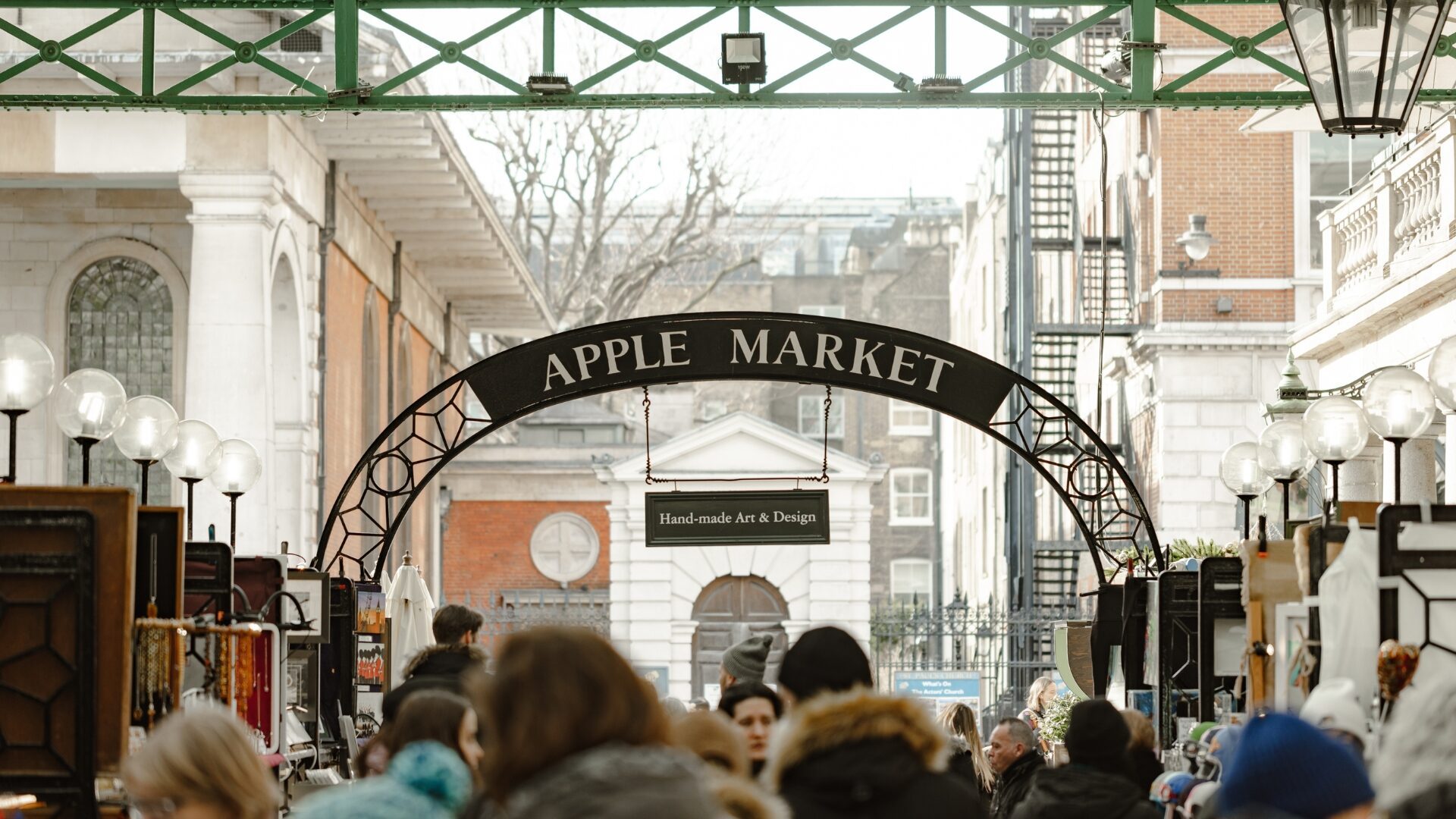
Its Bloomsbury location deepens that association. The surrounding streets once nurtured writers, artists and thinkers including Virginia Woolf, E.M. Forster and Lytton Strachey. The British Museum lies nearby, while Covent Garden, Soho, Theatreland and the West End are all within easy reach.
L’Oscar therefore feels connected to two versions of London. Outside is the city of literature, museums, theatres and historic streets. Inside is Garcia’s imagined realm of color, sensuality and performance. The transition between the two is part of the pleasure.
More Than a Beautiful Setting
Many hotels are visually impressive. Fewer possess a genuine point of view. L’Oscar succeeds because its extravagance is not decorative excess applied without context. The hotel’s identity emerges from a conversation between the building’s past and Garcia’s imagination. Original craftsmanship remains visible, but it has been drawn into a new story—one that honors history without becoming constrained by it.
That is L'Oscar's real design alchemy. A building created for devotion has become a place devoted to beauty, pleasure and hospitality. Its former chapel now welcomes celebrations. Its solemn corridors glow with color. Its historic details coexist with butterflies, peacocks, velvet and gold.
In a city crowded with distinguished hotels, L’Oscar does something rarer: it conjures a world all its own—one you enter as a guest but leave as part of its story. This is not simply a place to stay in London. It is a scene to enter, a character to encounter and, for a little while, a role to inhabit.






Leave a Reply